Landing Pages Archives - gettectonic.com - Page 2
AI Data Cloud and Integration

AI Data Cloud and Integration

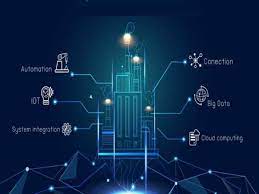
The enterprise has transitioned from merely speculating about artificial intelligence to actively implementing it. In doing so, companies must determine the optimal combination of ancillary technologies that, when strategically paired with AI, can drive relevant use cases and business outcomes. With AI Data Cloud and Integration, your data-driven decisions happen in real-time. Salesforce Inc. is leveraging a powerful trio — its Data Cloud, automation, and AI — to deliver what it considers transformative outcomes for organizations. “AI has such wonderful capability today from predictive to generative, [but] it’s not new to Salesforce,” said Param Kahlon, executive vice president and general manager at Salesforce. “Salesforce has been doing predictive AI for almost 10 years now. But what is great is that generative AI now gives the ability to process these large language models on large amounts of unstructured, semi-structured content to generate great content that can be used by salespeople to send relevant emails and marketing people to create personalized landing pages.” Kahlon spoke with theCUBE Research Senior Analyst George Gilbert during a recent “The Road to Intelligent Data Apps” podcast series. They discussed how Salesforce is revolutionizing business operations in the digital age by harnessing AI-driven insights, contextualizing data with the company’s Data Cloud, and enabling real-time actions. Gen AI and Data Cloud for Contextualization In today’s business environment, intelligence is the cornerstone of success. Salesforce’s AI platform empowers companies with predictive and generative AI capabilities, enabling them to make insightful decisions and craft personalized experiences for their customers. Businesses can now process vast amounts of unstructured data and generate compelling content. “For this AI to be meaningful and for companies to harness the full value of AI, you want to make sure that you’re grounding the data that’s being used to generate those predictions with some things that are relevant to the current business process, to the current transaction, to the current context of interaction you’re happening with the customer,” Kahlon said. Salesforce’s Data Cloud acts as the AI foundation, enriching existing data models with relevant contextual data tailored to the specific needs of each business and their interactions with customers. “When we talk to our large Salesforce customers, they all tell us that AI is really important for them,” Kahlon said. “That is something that they want to drive, but they’re also saying that the data for them is spread out across the enterprise. Some of them tell us that they have more than 900 different business systems in which data is stored, and they want the ability to bring that data together in a seamless way so it can be processed by AI through Data Cloud.” Automation and Integration for Real-Time Action The combination of AI and Data Cloud generates actionable insights, but these insights alone aren’t enough. Businesses need to act swiftly on these predictions, driving real-time actions to capitalize on opportunities. This is where integration and automation come into play, according to Kahlon. “[Customers are] essentially telling us that data is spread across the enterprise and they want the data in real time to be available to customers,” he said. “With MuleSoft and Salesforce integration capabilities, we’ve focused on the real-time nature of making sure that you can take real-time business transactions in the context of the process that is happening, and that’s what’s differentiated in our approach to making sure that we can collect the data in real time and make actions happen in real time.” Integration is the glue that brings together data from various sources, allowing AI to derive meaningful insights. Salesforce’s integration capabilities, powered by MuleSoft, focus on real-time data processing, ensuring that businesses can act on insights as they occur. This low-latency approach enables not only Salesforce applications but also other third-party applications to contribute to the data ecosystem, Kahlon explained. “We’ve got a very large North American airline that has built their entire customer experience, from booking an airline ticket to checking into your flight and ordering special meals for your flight, all of that on an API-based platform — and we’re able to process that scale of transactions,” he said. “As you get into AI, all of that becomes extremely relevant to drive that real-time throughput, and that’s where our customers are finding value in our technology.” When the customer experience is the driver, the experience is always stellar. Like Related Posts Who is Salesforce? Who is Salesforce? Here is their story in their own words. From our inception, we’ve proudly embraced the identity of Read more Salesforce Marketing Cloud Transactional Emails Salesforce Marketing Cloud Transactional Emails are immediate, automated, non-promotional messages crucial to business operations and customer satisfaction, such as order Read more Salesforce Unites Einstein Analytics with Financial CRM Salesforce has unveiled a comprehensive analytics solution tailored for wealth managers, home office professionals, and retail bankers, merging its Financial Read more AI-Driven Propensity Scores AI plays a crucial role in propensity score estimation as it can discern underlying patterns between treatments and confounding variables Read more
Read More
Lead Generation 101

Lead Generation 101

Lead Generation 101 In today’s world, where people are bombarded with countless messages and offers daily, marketers need to find effective ways to capture attention and generate genuine interest in their products and services. According to the State of the Connected Customer report, customer preferences and expectations are the top influences on digital strategy for Chief Marketing Officers (CMOs). The ultimate goal of lead generation is to build interest over time that leads to successful sales. Here’s a comprehensive guide to understanding lead generation, the role of artificial intelligence (AI), and the steps you need to take to effectively find and nurture leads. What is Lead Generation? Lead generation is the process of creating interest in a product or service and converting that interest into a sale. By focusing on the most promising prospects, lead generation enhances the efficiency of the sales cycle, leading to better customer acquisition and higher conversion rates. Leads are typically categorized into three types: The lead generation process starts with creating awareness and interest. This can be achieved by publishing educational blog posts, engaging users on social media, and capturing leads through sign-ups for email newsletters or “gated” content such as webinars, virtual events, live chats, whitepapers, or ebooks. Once you have leads, you can use their contact information to engage them with personalized communication and targeted promotions. Effective Lead Generation Strategies To successfully move prospects from interest to buyers, focus on the following strategies: How Lead Qualification and Nurturing Work To effectively evaluate and nurture leads, consider the following: Methods for Nurturing Leads Once you’ve established your lead scoring and grading, consider these nurturing methods: Current Trends in Lead Generation AI is increasingly influencing lead generation by offering advanced tools and strategies: Measuring Success in Lead Generation To evaluate the effectiveness of your lead generation efforts, track the following key metrics: Best Practices for Lead Generation To optimize lead generation efforts and build strong customer relationships, follow these best practices: Effective lead generation is essential for building trust and fostering meaningful customer relationships. By implementing these strategies and best practices, you can enhance your lead generation efforts and drive better business results. Like Related Posts Who is Salesforce? Who is Salesforce? Here is their story in their own words. From our inception, we’ve proudly embraced the identity of Read more Salesforce Marketing Cloud Transactional Emails Salesforce Marketing Cloud Transactional Emails are immediate, automated, non-promotional messages crucial to business operations and customer satisfaction, such as order Read more Salesforce Unites Einstein Analytics with Financial CRM Salesforce has unveiled a comprehensive analytics solution tailored for wealth managers, home office professionals, and retail bankers, merging its Financial Read more AI-Driven Propensity Scores AI plays a crucial role in propensity score estimation as it can discern underlying patterns between treatments and confounding variables Read more
Read More
Copilot A Step Up For Merchandising

Copilot A Step Up For Merchandising

A Leap Forward in Merchandising Merchants face the ongoing challenge of enhancing loyalty, conversion rates, and shopper lifetime value. Enter Einstein Copilot, ushering in automation to boost productivity and inject intelligence for an elevated customer experience in unprecedented ways. Salesforce asserts that early AI adopters are saving an average of 6.4 hours per week. Copilot A Step Up For Merchandising. Einstein Copilot empowers merchants to swiftly craft personalized product promotions to attract new customers and target slow-moving stock based on inventory insights. Additionally, it optimizes site traffic with search engine optimization (SEO) content, generates product descriptions, and enhances checkout conversion with AI recommendations tailored to specific objectives. Copilot A Step Up For Merchandising Prior to Einstein Copilot, other generative AI copilot solutions operated as separate applications, disconnected from the workflow, and lacked the ability to securely leverage trusted company data for generating relevant or consistent results from large language models. Einstein Copilot integrates seamlessly within the world’s leading AI CRM and harnesses data from any Salesforce application to deliver more precise AI-powered recommendations and content. Through natural language prompts, Einstein Copilot facilitates a range of tasks, including: Sales: Conducting account research, preparing for meetings, and automatically updating account information in Salesforce. Summarizing highlights, gauging customer sentiment, and extracting next steps from video calls. Searching for specific details in customer calls and auto-generating sales emails to match tone and style while aligning with customer context. Drafting clauses and embedding them directly within customer contracts. Service: Automatically responding to customers with personalized, relevant answers sourced from trusted company knowledge across various channels like email, SMS, live chat, or social media. Empowering service teams to resolve customer issues swiftly using generative answers integrated seamlessly into their workflow. Automating tasks like summarizing support cases and field work orders. Marketing: Generating email copy for marketing campaigns, refining campaign segmentation with Data Cloud, creating website landing pages based on personalized consumer preferences, and auto-populating contact forms with each customer’s unified profile in Salesforce. Generating surveys following online actions to enhance long-term engagement and purchasing. Commerce: Assisting in building high-converting digital storefronts, automating complex tasks like managing multi-product catalog data, crafting product descriptions in multiple languages, generating personalized product promotions, and optimizing SEO metadata for conversion. Customizing and designing storefront components using natural language prompts. Developers: Converting natural language prompts into Apex code, offering suggestions for more effective and accurate code, and proactively scanning for code vulnerabilities within the developer environment. Tableau: Transitioning swiftly from raw data to actionable insights through a conversational interface, enhancing data analyst productivity with a natural language assistant for faster data exploration, building relevant visualizations, automating repetitive tasks, and facilitating efficient data curation. Like Related Posts Who is Salesforce? Who is Salesforce? Here is their story in their own words. From our inception, we’ve proudly embraced the identity of Read more Salesforce Marketing Cloud Transactional Emails Salesforce Marketing Cloud Transactional Emails are immediate, automated, non-promotional messages crucial to business operations and customer satisfaction, such as order Read more Salesforce Unites Einstein Analytics with Financial CRM Salesforce has unveiled a comprehensive analytics solution tailored for wealth managers, home office professionals, and retail bankers, merging its Financial Read more AI-Driven Propensity Scores AI plays a crucial role in propensity score estimation as it can discern underlying patterns between treatments and confounding variables Read more
Read More
Salesforce-Powered Nonprofit Events

Salesforce-Powered Nonprofit Events

Salesforce has cemented its position as the #1 CRM, becoming an essential tool for businesses improving their marketing, sales, and support processes. But there’s another powerful feature you should explore: managing events directly within Salesforce. Salesforce’s versatility allows you to organize a successful event of any size, whether it’s online, offline, or a hybrid meeting. However, like any business endeavor, a well-thought-out strategy is crucial to ensure your event planning turns into a major success. In this insight, you’ll learn how events contribute to a business’s lifecycle, how to manage them effectively, and the essential tools you’ll need for successful event management in Salesforce. The Role of Events in Nonprofits If your company hasn’t yet ventured into event organization, it’s time to reconsider. Events are a great way to fuel engagement, foster data-driven decisions, and build a thriving community. On a larger scale, event planning offers a range of business benefits, including: Common Event Management Challenges Even with the best intentions, event planning comes with challenges that can derail your efforts if not addressed. Let’s review some common challenges and how Salesforce can help: How Salesforce Elevates Event Management Salesforce brings significant advantages to event planning, offering: Your Salesforce Event Planning Checklist To ensure your event management with Salesforce is effective, follow this simple checklist: Our Thoughts Building a robust event management process with Salesforce is not only a logical choice but a strategic one. It ensures smooth event execution, supports business growth, and boosts your brand’s equity. By leveraging the right tools, such as Salesforce, your event planning process becomes more efficient, data-driven, and ultimately more successful. For expert support in managing Salesforce-powered events, consider reaching out to a partner like Tectonic to guide you through the process. Like1 Related Posts Who is Salesforce? Who is Salesforce? Here is their story in their own words. From our inception, we’ve proudly embraced the identity of Read more Salesforce Marketing Cloud Transactional Emails Salesforce Marketing Cloud Transactional Emails are immediate, automated, non-promotional messages crucial to business operations and customer satisfaction, such as order Read more Salesforce Unites Einstein Analytics with Financial CRM Salesforce has unveiled a comprehensive analytics solution tailored for wealth managers, home office professionals, and retail bankers, merging its Financial Read more AI-Driven Propensity Scores AI plays a crucial role in propensity score estimation as it can discern underlying patterns between treatments and confounding variables Read more

Read More
Salesforce Mobile Summer 24 Release Notes

Salesforce Mobile Summer 24 Release Notes

Configure offline landing pages without code using Mobile Builder for Salesforce Mobile App, which is now generally available. Improve your Mobile Publisher app with new security features and prepare your app for new notification and device operating system requirements. Submit the required Firebase information for push notifications on Android mobile connected apps. Salesforce Mobile Summer 24 Release Notes. Salesforce Mobile Summer 24 Release Notes Like Related Posts Who is Salesforce? Who is Salesforce? Here is their story in their own words. From our inception, we’ve proudly embraced the identity of Read more Salesforce Marketing Cloud Transactional Emails Salesforce Marketing Cloud Transactional Emails are immediate, automated, non-promotional messages crucial to business operations and customer satisfaction, such as order Read more Salesforce Unites Einstein Analytics with Financial CRM Salesforce has unveiled a comprehensive analytics solution tailored for wealth managers, home office professionals, and retail bankers, merging its Financial Read more AI-Driven Propensity Scores AI plays a crucial role in propensity score estimation as it can discern underlying patterns between treatments and confounding variables Read more

Read More
demand generation web use cases for personalization

Demand Generation Web Use Cases for Personalization

Utilize effective personalization techniques adopted by businesses in online campaigns to stimulate demand generation. The term “demand generation” has somewhat faded from the marketing lexicon due to the emphasis on analytics, AI, and metrics for lead conversion. However, where does personalization fit into the broader scope of demand generation? Demand generation web use cases for personalization. Personalization plays a pivotal role in various aspects of demand generation: In lead nurturing, personalization is equally vital: Moreover, personalization is instrumental in lead acquisition efforts by delivering relevant experiences to all of your prospects. To effectively implement personalization, real-time insights into individual behaviors and interactions are essential. A comprehensive personalization solution should unify data from various channels and systems, enabling seamless cross-channel personalization. This includes “stitching” together anonymous and known user profiles, integrating data with complementary systems like CRMs and marketing platforms, and facilitating real-time omni-channel personalization. The key to successful personalization lies in understanding and addressing each individual’s unique needs and preferences. By adopting a customer-centric approach and setting clear objectives aligned with business goals, organizations can leverage personalization to enhance customer experiences, boost conversion rates, and drive measurable business growth. To execute a successful personalization strategy, organizations must: By following these steps and continuously optimizing personalization efforts, organizations can build stronger customer relationships, drive business growth, and maximize marketing ROI. Website personalization serves as the starting point for many companies embarking on their personalization journey. This entails ensuring that returning visitors encounter pages tailored to their previous experiences or recent purchases. It can also involve presenting new customers with product recommendations based on their current browsing session. The return on this initial investment can be substantial, with many companies witnessing a significant increase in conversion rates, sometimes by as much as 50% or more. For instance, a site converting 2% of visitors might see that figure rise to 3%, a dream scenario for digital marketers. Moreover, this boost in conversion rates can have far-reaching effects across marketing programs, leading to a reduction in overall customer acquisition costs. Tectonic now offers Personalization Implementation Solutions. The next stage in personalization maturity involves integrating a customer’s web and email experiences. This seamless connection between two major channels for customer engagement brings organizations closer to achieving an omni-channel personalization experience. Timely and relevant follow-up messages after a customer’s website visit or purchase can deepen relationships and enhance lifetime value without significant additional marketing expenditure. Finally, the ultimate goal is to extend personalization across all channels, ensuring consistent and tailored experiences wherever customers interact with your brand. However, achieving this can be challenging due to fragmented customer data across multiple channels, teams, and systems. An effective personalization solution should consolidate and synthesize this cross-channel information by maintaining unified customer profiles and enabling real-time omni-channel personalization. Testing is a crucial aspect of successful personalization efforts, allowing organizations to optimize campaigns and maximize engagement, conversions, and revenue. A robust personalization solution should facilitate A/B testing, measuring lift over control, evaluating impacts against specific goals, and filtering results by segment. Effective website personalization lays the foundation for broader personalization efforts across channels. By seamlessly integrating web and email experiences and extending personalization to all touchpoints, organizations can deliver tailored experiences that drive engagement, loyalty, and ultimately, business growth. By Tectonic’s Salesforce Marketing Platform Architect Shannan Hearne Like1 Related Posts Who is Salesforce? Who is Salesforce? Here is their story in their own words. From our inception, we’ve proudly embraced the identity of Read more Salesforce Marketing Cloud Transactional Emails Salesforce Marketing Cloud Transactional Emails are immediate, automated, non-promotional messages crucial to business operations and customer satisfaction, such as order Read more Salesforce Unites Einstein Analytics with Financial CRM Salesforce has unveiled a comprehensive analytics solution tailored for wealth managers, home office professionals, and retail bankers, merging its Financial Read more AI-Driven Propensity Scores AI plays a crucial role in propensity score estimation as it can discern underlying patterns between treatments and confounding variables Read more
Read More
New ChatGPT-4o

ChatGPT and Salesforce Explained

Supercharge Salesforce with ChatGPT: AI-Powered CRM Enhancements Integrating ChatGPT with Salesforce unlocks transformative potential across sales, service, marketing, and development—boosting efficiency, personalization, and decision-making. Here’s how businesses can harness generative AI to elevate their CRM strategy. 1. Automating Workflows & Boosting Productivity Workflow Optimization Accelerated Development AI-Generated Content 2. Smarter Customer Engagement Intelligent Lead Management Hyper-Personalized Communication Instant Customer Support 3. Data-Driven Sales & Marketing Predictive Sales Insights Laser-Targeted Campaigns AI-Powered Sales Forecasting 4. Seamless Salesforce Integration Einstein GPT + OpenAI Lightning Web Components (LWC) API Configuration 5. Real-World Use Cases Scenario AI Solution Outcome Case Summarization ChatGPT auto-generates case notes for agents. 50% faster resolution times. Dynamic Email Drafting AI crafts personalized responses in <10 seconds. 35% higher reply rates. Automated Reporting “Show me Q2 pipeline trends” → Instant dashboard. No-code analytics for all users. The Bottom Line By integrating ChatGPT with Salesforce, businesses can:✅ Reduce manual work with AI automation.✅ Enhance customer experiences through hyper-personalization.✅ Drive revenue growth with predictive insights. With Einstein GPT and custom LWC integrations, Salesforce users can deploy generative AI without complex coding—unlocking smarter, faster, and more scalable CRM operations. Ready to transform your Salesforce workflows? Start with a pilot in lead scoring, service automation, or sales forecasting today. Content updated June 2025. Like Related Posts Who is Salesforce? Who is Salesforce? Here is their story in their own words. From our inception, we’ve proudly embraced the identity of Read more Salesforce Marketing Cloud Transactional Emails Salesforce Marketing Cloud Transactional Emails are immediate, automated, non-promotional messages crucial to business operations and customer satisfaction, such as order Read more Salesforce Unites Einstein Analytics with Financial CRM Salesforce has unveiled a comprehensive analytics solution tailored for wealth managers, home office professionals, and retail bankers, merging its Financial Read more AI-Driven Propensity Scores AI plays a crucial role in propensity score estimation as it can discern underlying patterns between treatments and confounding variables Read more

Read More
gettectonic.com