Relationships Archives - gettectonic.com - Page 16
Demandbase One for Sales iFrame

Demandbase One for Sales iFrame

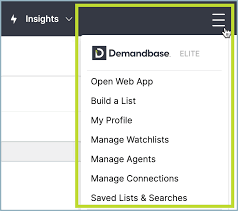
Understanding the Demandbase One for Sales iFrame in Salesforce The Demandbase One for Sales iFrame (formerly known as Sales Intelligence) allows sales teams to access deep, actionable insights directly within Salesforce. This feature provides account-level and people-level details, including engagement data, technographics, intent signals, and even relevant news, social media posts, and email communications. By offering this level of visibility, sales professionals can make informed decisions and take the most effective next steps on accounts. Key Points: Overview of the Demandbase One for Sales iFrame The iFrame is divided into several key sections: Account, People, Engagement, and Insights tabs. Each of these provides critical information to help you better understand and engage with the companies and people you’re researching. Account Tab People Tab Engagement Tab Final Notes: The Demandbase One for Sales iFrame is a powerful tool that provides a complete view of account activity, helping sales teams make informed decisions and drive results. Like Related Posts Who is Salesforce? Who is Salesforce? Here is their story in their own words. From our inception, we’ve proudly embraced the identity of Read more Salesforce Marketing Cloud Transactional Emails Salesforce Marketing Cloud Transactional Emails are immediate, automated, non-promotional messages crucial to business operations and customer satisfaction, such as order Read more Salesforce Unites Einstein Analytics with Financial CRM Salesforce has unveiled a comprehensive analytics solution tailored for wealth managers, home office professionals, and retail bankers, merging its Financial Read more AI-Driven Propensity Scores AI plays a crucial role in propensity score estimation as it can discern underlying patterns between treatments and confounding variables Read more

Read More
Benefits of Loan Software for Government Agencies on Salesforce

Benefits of Loan Software for Government Agencies on Salesforce

The Benefits of Loan Software for Government Agencies on Salesforce Government agencies managing loans face unique challenges in financial administration, and integrating loan software with Salesforce can greatly enhance their efficiency, accuracy, and transparency. This streamlined solution addresses key areas such as document management, borrower engagement, and robust reporting, making processes more efficient and improving service delivery. Centralized Document Management Loan software offers a central hub for managing extensive paperwork, helping government agencies manage loan applications, agreements, and compliance documents. Key benefits include: This centralized approach saves time and helps agencies maintain audit-ready records. Improved Borrower Management Loan software on Salesforce offers a seamless borrower management experience through custom borrower portals. Features include: By improving borrower relationships, agencies can foster trust and boost repayment rates. Powerful Reporting and Dashboards Salesforce’s loan software provides comprehensive reporting tools to support data-driven decision-making: These tools provide insights that help agencies manage loans efficiently while aligning with fiscal goals. Efficient Payment Processing Loan software simplifies payment workflows, providing: This automation improves payment accuracy and speeds up processing times for both agencies and borrowers. Conclusion Integrating loan software with Salesforce offers government agencies significant benefits, from enhanced document management to improved borrower engagement, advanced reporting, and efficient payment processing. These solutions help agencies better serve citizens while maintaining compliance and fiscal responsibility. Like Related Posts Who is Salesforce? Who is Salesforce? Here is their story in their own words. From our inception, we’ve proudly embraced the identity of Read more Salesforce Marketing Cloud Transactional Emails Salesforce Marketing Cloud Transactional Emails are immediate, automated, non-promotional messages crucial to business operations and customer satisfaction, such as order Read more Salesforce Unites Einstein Analytics with Financial CRM Salesforce has unveiled a comprehensive analytics solution tailored for wealth managers, home office professionals, and retail bankers, merging its Financial Read more AI-Driven Propensity Scores AI plays a crucial role in propensity score estimation as it can discern underlying patterns between treatments and confounding variables Read more

Read More
Autonomous AI Service Agents

Autonomous AI Service Agents

Salesforce Set to Launch Autonomous AI Service Agents. Considering Tectonic only first wrote about Agentic AI in late June, its like Christmas in July! Salesforce is gearing up to introduce a new generation of customer service chatbots that leverage advanced AI tools to autonomously navigate through various actions and workflows. These bots, termed “autonomous AI agents,” are currently in pilot testing and are expected to be released later this year. Autonomous AI Service Agents Named Einstein Service Agent, these autonomous AI bots aim to utilize generative AI to understand customer intent, trigger workflows, and initiate actions within a user’s Salesforce environment, according to Ryan Nichols, Service Cloud’s chief product officer. By integrating natural language processing, predictive analytics, and generative AI, Einstein Service Agents will identify scenarios and resolve customer inquiries more efficiently. Traditional bots require programming with rules-based logic to handle specific customer service tasks, such as processing returns, issuing refunds, changing passwords, and renewing subscriptions. In contrast, the new autonomous bots, enhanced by generative AI, can better comprehend customer issues (e.g., interpreting “send back” as “return”) and summarize the steps to resolve them. Einstein Service Agent will operate across platforms like WhatsApp, Apple Messages for Business, Facebook Messenger, and SMS text, and will also process text, images, video, and audio that customers provide. Despite the promise of these new bots, their effectiveness is crucial, emphasized Liz Miller, an analyst at Constellation Research. If these bots fail to perform as expected, they risk wasting even more customer time than current technologies and damaging customer relationships. Miller also noted that successful implementation of autonomous AI agents requires human oversight for instances when the bots encounter confusion or errors. Customers, whether in B2C or B2B contexts, are often frustrated with the limitations of rules-based bots and prefer direct human interaction. It is annoying enough to be on the telephone repeating “live person” over and over again. It would be trafic to have to do it online, too. “It’s essential that these bots can handle complex questions,” Miller stated. “Advancements like this are critical, as they can prevent the bot from malfunctioning when faced with unprogrammed scenarios. However, with significant technological advancements like GenAI, it’s important to remember that human language and thought processes are intricate and challenging to map.” Nichols highlighted that the forthcoming Einstein Service Agent will be simpler to set up, as it reduces the need to manually program thousands of potential customer requests into a conversational decision tree. This new technology, which can understand multiple word permutations behind a service request, could potentially lower the need for extensive developer and data scientist involvement for Salesforce users. The pricing details for the autonomous Einstein Service Agent will be announced at its release. Like Related Posts Who is Salesforce? Who is Salesforce? Here is their story in their own words. From our inception, we’ve proudly embraced the identity of Read more Salesforce Marketing Cloud Transactional Emails Salesforce Marketing Cloud Transactional Emails are immediate, automated, non-promotional messages crucial to business operations and customer satisfaction, such as order Read more Salesforce Unites Einstein Analytics with Financial CRM Salesforce has unveiled a comprehensive analytics solution tailored for wealth managers, home office professionals, and retail bankers, merging its Financial Read more AI-Driven Propensity Scores AI plays a crucial role in propensity score estimation as it can discern underlying patterns between treatments and confounding variables Read more

Read More
Impact of EHR Adoption

Connected Care Technology

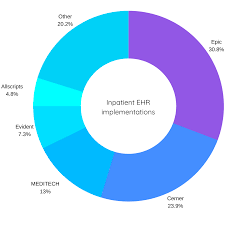
How Connected Care Technology Can Transform the Provider Experience Northwell Health is leveraging advanced connected care technologies, including AI, to alleviate administrative burdens and foster meaningful interactions between providers and patients. While healthcare technology has revolutionized traditional care delivery models, it has also inadvertently created barriers, increasing the administrative workload and distancing providers from their patients. Dr. Michael Oppenheim, Senior Vice President of Clinical Digital Solutions at Northwell Health, highlighted this challenge during the Connected Health 2024 virtual summit, using a poignant illustration published a decade ago in the Journal of the American Medical Association. The image portrays a physician focused on a computer with their back to a patient and family, emphasizing how technology can inadvertently shift attention away from patient care. Reimagining Technology to Enhance Provider-Patient Connections To prevent technology from undermining the patient-provider relationship, healthcare organizations must reduce the administrative burden and enhance connectivity between patients and care teams. Northwell Health exemplifies this approach by implementing innovative solutions aimed at improving access, efficiency, and communication. 1. Expanding Access Without Overloading Providers Connected healthcare technologies can dramatically improve patient access but may strain clinicians managing large patient panels. Dr. Oppenheim illustrated how physicians often need to review extensive patient histories for every interaction, consuming valuable time. Northwell Health addresses this challenge by employing mapping tools, propensity analyses, and matching algorithms to align patients with the most appropriate providers. By connecting patients to specialists who best meet their needs, providers can maximize their time and expertise while ensuring better patient outcomes. 2. Leveraging Generative AI for Chart Summarization Generative AI is proving transformative in managing the immense data volumes clinicians face. AI-driven tools help summarize patient records, extracting clinically relevant details tailored to the provider’s specialty. For instance, in a pilot at Northwell Health, AI successfully summarized complex hospitalizations, capturing the critical elements of care transitions. This “just right” approach ensures providers receive actionable insights without unnecessary data overload. Additionally, ambient listening tools are being used to document clinical consultations seamlessly. By automatically summarizing interactions into structured notes, physicians can focus entirely on their patients during visits, improving care quality while reducing after-hours charting. 3. Streamlining Team-Based Care Effective care delivery often involves a multidisciplinary team, including primary physicians, specialists, nurses, and social workers. Coordinating communication across these groups has historically been challenging. Northwell Health is addressing this issue by adopting EMR systems with integrated team chat functionalities, enabling real-time collaboration among care teams. These tools facilitate better care planning and communication, ensuring patients receive coordinated and consistent treatment. Dr. Oppenheim emphasized the importance of not only uniting clinicians in decision-making but also involving patients in discussions. By presenting clear, viable options, providers can enhance patient engagement and shared decision-making. The Path Forward: Balancing Technology with Provider Needs As healthcare continues its digital transformation, connected care technologies must prioritize clinician satisfaction alongside patient outcomes. Tools that simplify workflows, enhance communication, and reduce administrative burdens are crucial for fostering provider buy-in and ensuring the success of health IT initiatives. Northwell Health’s efforts demonstrate how thoughtfully implemented technologies can empower clinicians, strengthen patient relationships, and create a truly connected healthcare experience. Tectonic is here to help your facility plan. Content updated November 2024. Like Related Posts Who is Salesforce? Who is Salesforce? Here is their story in their own words. From our inception, we’ve proudly embraced the identity of Read more Salesforce Unites Einstein Analytics with Financial CRM Salesforce has unveiled a comprehensive analytics solution tailored for wealth managers, home office professionals, and retail bankers, merging its Financial Read more AI-Driven Propensity Scores AI plays a crucial role in propensity score estimation as it can discern underlying patterns between treatments and confounding variables Read more Tectonic’s Successful Salesforce Track Record Salesforce Technology Services Integrator – Tectonic has successfully delivered Salesforce in a variety of industries including Public Sector, Hospitality, Manufacturing, Read more

Read More
Salesforce Query Builder

Salesforce Query Builder

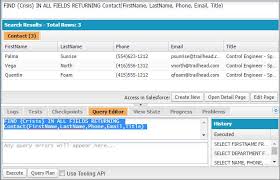
Salesforce Query Builder Effortlessly Build SOQL Queries for Salesforce Objects with Salesforce Query Builder. The Salesforce Query Builder is a powerful Chrome extension that simplifies the creation of SOQL (Salesforce Object Query Language) queries for administrators, developers, and power users. This tool addresses the common challenge of building complex queries directly within your Salesforce environment, eliminating the need for external tools. Key Features and Benefits Seamless Integration: The Query Builder works directly within your Salesforce tabs, streamlining your workflow by removing the need to switch between apps or browser windows. This integration ensures better productivity without disruption. User-Friendly Interface: Its intuitive design makes query building easy for users at any skill level. A step-by-step process walks you through selecting objects, fields, and applying filters, reducing the complexities of SOQL syntax. Dynamic Object and Field Selection: The extension automatically fetches and displays available Salesforce objects and fields, saving time and minimizing errors by using up-to-date schema information. Real-Time Query Generation: As you choose objects, fields, and filters, the extension generates the SOQL query in real-time. This live feedback helps you understand the structure of the query, allowing for quick adjustments. Secure Authentication: Using your existing Salesforce session, the Query Builder ensures your credentials remain secure. It doesn’t store or transmit sensitive information, maintaining the integrity of your data. Flexible Filtering: Easily add WHERE clauses to filter data based on specific criteria, making it simple to focus on the data subsets you need. Copy to Clipboard: With one click, copy the generated SOQL query to your clipboard for easy use in other tools, development environments, or for sharing with teammates. Field Search: For objects with many fields, the search function helps you quickly locate the fields you need, reducing time spent scrolling. Lightweight and Fast: As a browser extension, the Query Builder is lightweight, requiring no installation on your Salesforce instance, ensuring fast performance without impacting your org. Cross-Domain Support: The tool supports multiple Salesforce domains (salesforce.com, force.com, cloudforce.com), providing a consistent experience across different environments. Why You Should Install It Time-Saving: The Query Builder dramatically reduces the time spent constructing SOQL queries, especially for complex objects or unfamiliar schemas. Error Reduction: By providing a visual interface, the tool minimizes syntax errors that can occur when manually writing SOQL queries. Learning Tool: Ideal for those new to SOQL, the Query Builder helps users understand query structure and best practices through its interactive design. Increased Productivity: With seamless Salesforce integration, you can generate queries quickly without disrupting your workflow. Accessibility: The tool empowers users who may not be comfortable writing SOQL manually, making advanced querying capabilities accessible to a wider range of Salesforce users. Consistency: It encourages consistent query-building practices across teams, making collaboration and sharing of queries easier. No Setup Required: As a browser extension, it requires no changes to your Salesforce org, making it perfect for admins or developers working across multiple orgs or with limited customization permissions. By installing the Salesforce Query Builder, you gain a valuable tool for your daily Salesforce tasks. Whether you’re a developer needing to prototype queries, an admin exploring data relationships, or a business analyst needing custom views, this tool simplifies interacting with your Salesforce data. With its combination of ease of use, security, and powerful features, it’s an essential addition to any Salesforce professional’s toolkit. Like Related Posts Who is Salesforce? Who is Salesforce? Here is their story in their own words. From our inception, we’ve proudly embraced the identity of Read more Salesforce Marketing Cloud Transactional Emails Salesforce Marketing Cloud Transactional Emails are immediate, automated, non-promotional messages crucial to business operations and customer satisfaction, such as order Read more Salesforce Unites Einstein Analytics with Financial CRM Salesforce has unveiled a comprehensive analytics solution tailored for wealth managers, home office professionals, and retail bankers, merging its Financial Read more AI-Driven Propensity Scores AI plays a crucial role in propensity score estimation as it can discern underlying patterns between treatments and confounding variables Read more

Read More
What is Customer 360 for Banking

What is Customer 360 for Banking

In banking, Customer 360 is a strategy and technology that provides a comprehensive, unified view of each customer’s data from various sources, like core banking systems, CRM, and marketing platforms. This centralized view enables banks to understand customer behavior, predict needs, and deliver personalized experiences, ultimately improving customer relationships and business outcomes.  Key aspects of Customer 360 in banking: Benefits of Customer 360 in banking: Like Related Posts Who is Salesforce? Who is Salesforce? Here is their story in their own words. From our inception, we’ve proudly embraced the identity of Read more Salesforce Marketing Cloud Transactional Emails Salesforce Marketing Cloud Transactional Emails are immediate, automated, non-promotional messages crucial to business operations and customer satisfaction, such as order Read more Salesforce Unites Einstein Analytics with Financial CRM Salesforce has unveiled a comprehensive analytics solution tailored for wealth managers, home office professionals, and retail bankers, merging its Financial Read more AI-Driven Propensity Scores AI plays a crucial role in propensity score estimation as it can discern underlying patterns between treatments and confounding variables Read more

Read More
Dynamically Assign Approvers

Dynamically Assign Approvers

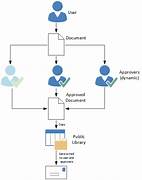
Dynamically Assign Approvers Based on Criteria You can configure approvers based on specific criteria or formulas. Dynamically Assign Approvers to save timeFor instance, if you want the approver to be the regional manager associated with a sales rep’s opportunity, the system will automatically update to reference the new manager if there’s a change. Required Editions to Dynamically Assign Approvers Setting Up Dynamic Approvers Important: Dynamic approvals require a single approver record and do not support delegated approvers. Like Related Posts Who is Salesforce? Who is Salesforce? Here is their story in their own words. From our inception, we’ve proudly embraced the identity of Read more Salesforce Marketing Cloud Transactional Emails Salesforce Marketing Cloud Transactional Emails are immediate, automated, non-promotional messages crucial to business operations and customer satisfaction, such as order Read more Salesforce Unites Einstein Analytics with Financial CRM Salesforce has unveiled a comprehensive analytics solution tailored for wealth managers, home office professionals, and retail bankers, merging its Financial Read more AI-Driven Propensity Scores AI plays a crucial role in propensity score estimation as it can discern underlying patterns between treatments and confounding variables Read more

Read More
Implementing Salesforce Education Cloud

Implementing Salesforce Education Cloud

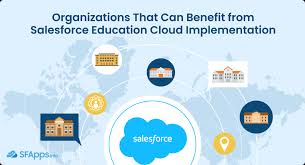
Client OverviewThe client is a leading educational institution offering a wide array of programs, from undergraduate degrees to continuing education. With around 15,000 students and a global alumni network of over 50,000, they are dedicated to delivering a holistic educational experience while nurturing lifelong relationships with their alumni. ChallengesBefore implementing Salesforce Education Cloud, the client faced several large challenges: ObjectivesThe institution sought to achieve the following with Salesforce Education Cloud: Solution: Salesforce Education Expertise Strategy and Planning Design and Wireframing Development Testing Deployment Results: Before and After Aspect Before After Data Management Fragmented across multiple systems Centralized in Salesforce Education Cloud Communication Disjointed communication processes Streamlined internal and external channels Alumni Engagement Outdated tools for managing alumni relationships Modern tools for enhanced engagement Before and after Salesforce Education Cloud Quantifiable OutcomesWith Salesforce Education Cloud, the client achieved: Implementing Salesforce Education CloudBy implementing Salesforce Education Cloud, the Salesforce partner delivered a transformative solution that surpassed the institution’s objectives. The integration of centralized data, enhanced communication processes, and modern alumni management tools led to: These impressive results highlight Tectonic’s commitment to providing expert Salesforce solutions that aid education clients achieve their strategic goals. Contact us today. Like Related Posts Who is Salesforce? Who is Salesforce? Here is their story in their own words. From our inception, we’ve proudly embraced the identity of Read more Salesforce Marketing Cloud Transactional Emails Salesforce Marketing Cloud Transactional Emails are immediate, automated, non-promotional messages crucial to business operations and customer satisfaction, such as order Read more Salesforce Unites Einstein Analytics with Financial CRM Salesforce has unveiled a comprehensive analytics solution tailored for wealth managers, home office professionals, and retail bankers, merging its Financial Read more AI-Driven Propensity Scores AI plays a crucial role in propensity score estimation as it can discern underlying patterns between treatments and confounding variables Read more

Read More
Conversational Commerce Explained

Conversational Commerce Explained

Conversational Commerce is a modern approach to customer engagement and sales that leverages chat-based interfaces (like messaging apps, chatbots, and voice assistants) to facilitate seamless, personalized, and real-time interactions between businesses and customers. It combines the power of conversational AI with e-commerce to create a more natural and interactive shopping experience. 1. What is Conversational Commerce? Conversational commerce allows customers to interact with brands through text or voice conversations instead of traditional methods like browsing websites or using apps. It enables businesses to engage with customers in a more personalized, immediate, and convenient way, often using tools like: 2. How Does Conversational Commerce Work? Conversational commerce uses Artificial Intelligence (AI), Natural Language Processing (NLP), and machine learning to understand and respond to customer queries. Here’s how it typically works: 3. Key Features of Conversational Commerce a) Personalization b) Real-Time Interaction c) Omnichannel Support d) Automation e) Seamless Transactions 4. Benefits of Conversational Commerce a) Improved Customer Experience b) Higher Engagement c) Increased Sales d) Cost Efficiency e) 24/7 Availability 5. Examples of Conversational Commerce a) Chatbots b) Voice Assistants c) Social Media Messaging d) In-App Messaging 6. Technologies Powering Conversational Commerce a) Artificial Intelligence (AI) b) Natural Language Processing (NLP) c) Machine Learning d) APIs and Integrations 7. The Future of Conversational Commerce 8. Challenges of Conversational Commerce In summary, conversational commerce is transforming the way businesses interact with customers by making shopping more conversational, personalized, and convenient. It’s a key trend in the future of e-commerce and customer engagement! Content updated February 2025. Like Related Posts Who is Salesforce? Who is Salesforce? Here is their story in their own words. From our inception, we’ve proudly embraced the identity of Read more Salesforce Marketing Cloud Transactional Emails Salesforce Marketing Cloud Transactional Emails are immediate, automated, non-promotional messages crucial to business operations and customer satisfaction, such as order Read more Salesforce Unites Einstein Analytics with Financial CRM Salesforce has unveiled a comprehensive analytics solution tailored for wealth managers, home office professionals, and retail bankers, merging its Financial Read more AI-Driven Propensity Scores AI plays a crucial role in propensity score estimation as it can discern underlying patterns between treatments and confounding variables Read more

Read More
LLMs Turn CSVs into Knowledge Graphs

LLMs Turn CSVs into Knowledge Graphs

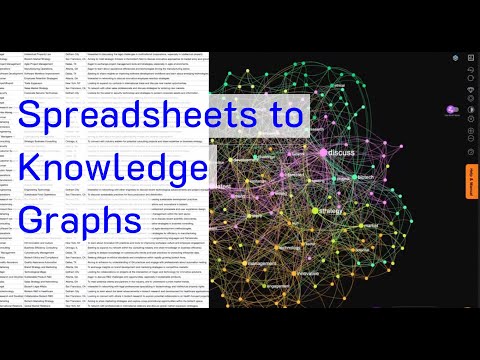
Neo4j Runway and Healthcare Knowledge Graphs Recently, Neo4j Runway was introduced as a tool to simplify the migration of relational data into graph structures. LLMs Turn CSVs into Knowledge Graphs. According to its GitHub page, “Neo4j Runway is a Python library that simplifies the process of migrating your relational data into a graph. It provides tools that abstract communication with OpenAI to run discovery on your data and generate a data model, as well as tools to generate ingestion code and load your data into a Neo4j instance.” In essence, by uploading a CSV file, the LLM identifies the nodes and relationships, automatically generating a Knowledge Graph. Knowledge Graphs in healthcare are powerful tools for organizing and analyzing complex medical data. These graphs structure information to elucidate relationships between different entities, such as diseases, treatments, patients, and healthcare providers. Applications of Knowledge Graphs in Healthcare Integration of Diverse Data Sources Knowledge graphs can integrate data from various sources such as electronic health records (EHRs), medical research papers, clinical trial results, genomic data, and patient histories. Improving Clinical Decision Support By linking symptoms, diagnoses, treatments, and outcomes, knowledge graphs can enhance clinical decision support systems (CDSS). They provide a comprehensive view of interconnected medical knowledge, potentially improving diagnostic accuracy and treatment effectiveness. Personalized Medicine Knowledge graphs enable the development of personalized treatment plans by correlating patient-specific data with broader medical knowledge. This includes understanding relationships between genetic information, disease mechanisms, and therapeutic responses, leading to more tailored healthcare interventions. Drug Discovery and Development In pharmaceutical research, knowledge graphs can accelerate drug discovery by identifying potential drug targets and understanding the biological pathways involved in diseases. Public Health and Epidemiology Knowledge graphs are useful in public health for tracking disease outbreaks, understanding epidemiological trends, and planning interventions. They integrate data from various public health databases, social media, and other sources to provide real-time insights into public health threats. Neo4j Runway Library Neo4j Runway is an open-source library created by Alex Gilmore. The GitHub repository and a blog post describe its features and capabilities. Currently, the library supports OpenAI LLM for parsing CSVs and offers the following features: The library eliminates the need to write Cypher queries manually, as the LLM handles all CSV-to-Knowledge Graph conversions. Additionally, Langchain’s GraphCypherQAChain can be used to generate Cypher queries from prompts, allowing for querying the graph without writing a single line of Cypher code. Practical Implementation in Healthcare To test Neo4j Runway in a healthcare context, a simple dataset from Kaggle (Disease Symptoms and Patient Profile Dataset) was used. This dataset includes columns such as Disease, Fever, Cough, Fatigue, Difficulty Breathing, Age, Gender, Blood Pressure, Cholesterol Level, and Outcome Variable. The goal was to provide a medical report to the LLM to get diagnostic hypotheses. Libraries and Environment Setup pythonCopy code# Install necessary packages sudo apt install python3-pydot graphviz pip install neo4j-runway # Import necessary libraries import numpy as np import pandas as pd from neo4j_runway import Discovery, GraphDataModeler, IngestionGenerator, LLM, PyIngest from IPython.display import display, Markdown, Image Load Environment Variables pythonCopy codeload_dotenv() OPENAI_API_KEY = os.getenv(‘sk-openaiapikeyhere’) NEO4J_URL = os.getenv(‘neo4j+s://your.databases.neo4j.io’) NEO4J_PASSWORD = os.getenv(‘yourneo4jpassword’) Load and Prepare Medical Data pythonCopy codedisease_df = pd.read_csv(‘/home/user/Disease_symptom.csv’) disease_df.columns = disease_df.columns.str.strip() for i in disease_df.columns: disease_df[i] = disease_df[i].astype(str) disease_df.to_csv(‘/home/user/disease_prepared.csv’, index=False) Data Description for the LLM pythonCopy codeDATA_DESCRIPTION = { ‘Disease’: ‘The name of the disease or medical condition.’, ‘Fever’: ‘Indicates whether the patient has a fever (Yes/No).’, ‘Cough’: ‘Indicates whether the patient has a cough (Yes/No).’, ‘Fatigue’: ‘Indicates whether the patient experiences fatigue (Yes/No).’, ‘Difficulty Breathing’: ‘Indicates whether the patient has difficulty breathing (Yes/No).’, ‘Age’: ‘The age of the patient in years.’, ‘Gender’: ‘The gender of the patient (Male/Female).’, ‘Blood Pressure’: ‘The blood pressure level of the patient (Normal/High).’, ‘Cholesterol Level’: ‘The cholesterol level of the patient (Normal/High).’, ‘Outcome Variable’: ‘The outcome variable indicating the result of the diagnosis or assessment for the specific disease (Positive/Negative).’ } Data Analysis and Model Creation pythonCopy codedisc = Discovery(llm=llm, user_input=DATA_DESCRIPTION, data=disease_df) disc.run() # Instantiate and create initial graph data model gdm = GraphDataModeler(llm=llm, discovery=disc) gdm.create_initial_model() gdm.current_model.visualize() Adjust Relationships pythonCopy codegdm.iterate_model(user_corrections=”’ Let’s think step by step. Please make the following updates to the data model: 1. Remove the relationships between Patient and Disease, between Patient and Symptom and between Patient and Outcome. 2. Change the Patient node into Demographics. 3. Create a relationship HAS_DEMOGRAPHICS from Disease to Demographics. 4. Create a relationship HAS_SYMPTOM from Disease to Symptom. If the Symptom value is No, remove this relationship. 5. Create a relationship HAS_LAB from Disease to HealthIndicator. 6. Create a relationship HAS_OUTCOME from Disease to Outcome. ”’) # Visualize the updated model gdm.current_model.visualize().render(‘output’, format=’png’) img = Image(‘output.png’, width=1200) display(img) Generate Cypher Code and YAML File pythonCopy code# Instantiate ingestion generator gen = IngestionGenerator(data_model=gdm.current_model, username=”neo4j”, password=’yourneo4jpasswordhere’, uri=’neo4j+s://123654888.databases.neo4j.io’, database=”neo4j”, csv_dir=”/home/user/”, csv_name=”disease_prepared.csv”) # Create ingestion YAML pyingest_yaml = gen.generate_pyingest_yaml_string() gen.generate_pyingest_yaml_file(file_name=”disease_prepared”) # Load data into Neo4j instance PyIngest(yaml_string=pyingest_yaml, dataframe=disease_df) Querying the Graph Database cypherCopy codeMATCH (n) WHERE n:Demographics OR n:Disease OR n:Symptom OR n:Outcome OR n:HealthIndicator OPTIONAL MATCH (n)-[r]->(m) RETURN n, r, m Visualizing Specific Nodes and Relationships cypherCopy codeMATCH (n:Disease {name: ‘Diabetes’}) WHERE n:Demographics OR n:Disease OR n:Symptom OR n:Outcome OR n:HealthIndicator OPTIONAL MATCH (n)-[r]->(m) RETURN n, r, m MATCH (d:Disease) MATCH (d)-[r:HAS_LAB]->(l) MATCH (d)-[r2:HAS_OUTCOME]->(o) WHERE l.bloodPressure = ‘High’ AND o.result=’Positive’ RETURN d, properties(d) AS disease_properties, r, properties(r) AS relationship_properties, l, properties(l) AS lab_properties Automated Cypher Query Generation with Gemini-1.5-Flash To automatically generate a Cypher query via Langchain (GraphCypherQAChain) and retrieve possible diseases based on a patient’s symptoms and health indicators, the following setup was used: Initialize Vertex AI pythonCopy codeimport warnings import json from langchain_community.graphs import Neo4jGraph with warnings.catch_warnings(): warnings.simplefilter(‘ignore’) NEO4J_USERNAME = “neo4j” NEO4J_DATABASE = ‘neo4j’ NEO4J_URI = ‘neo4j+s://1236547.databases.neo4j.io’ NEO4J_PASSWORD = ‘yourneo4jdatabasepasswordhere’ # Get the Knowledge Graph from the instance and the schema kg = Neo4jGraph( url=NEO4J_URI, username=NEO4J_USERNAME, password=NEO4J_PASSWORD, database=NEO4J_DATABASE ) kg.refresh_schema() print(textwrap.fill(kg.schema, 60)) schema = kg.schema Initialize Vertex AI pythonCopy codefrom langchain.prompts.prompt import PromptTemplate from langchain.chains import GraphCypherQAChain from langchain.llms import VertexAI vertexai.init(project=”your-project”, location=”us-west4″) llm = VertexAI(model=”gemini-1.5-flash”) Create the Prompt Template pythonCopy codeprompt_template = “”” Let’s think step by

Read More
Can We Customize Manufacturing Cloud For Our Business

Can We Customize Manufacturing Cloud For Our Business?

Yes, Salesforce Manufacturing Cloud Can Be Customized to Meet Your Business Needs Salesforce Manufacturing Cloud is designed to be highly customizable, allowing manufacturing organizations to tailor it to their unique business requirements. Whether it’s adapting the platform to fit specific workflows, integrating with third-party systems, or enhancing reporting capabilities, Salesforce provides robust customization options to meet the specific needs of manufacturers. Here are key ways Salesforce Manufacturing Cloud can be customized: 1. Custom Data Models and Objects Salesforce allows you to create custom objects and fields to track data beyond the standard model. This flexibility enables businesses to manage unique production metrics or product configurations seamlessly within the platform. Customization Options: 2. Sales Agreement Customization Sales Agreements in Salesforce Manufacturing Cloud can be tailored to reflect your business’s specific contract terms and pricing models. You can adjust agreement structures, including the customization of terms, conditions, and rebate tracking. Customization Options: 3. Custom Workflows and Automation Salesforce offers tools like Flow Builder and Process Builder, allowing manufacturers to automate routine tasks and create custom workflows that streamline operations. Customization Options: 4. Integration with Third-Party Systems Salesforce Manufacturing Cloud can integrate seamlessly with ERP systems (like SAP or Oracle), inventory management platforms, and IoT devices to ensure a smooth data flow across departments. Integration Options: 5. Custom Reports and Dashboards With Salesforce’s robust reporting tools, you can create custom reports and dashboards that provide real-time insights into key performance indicators (KPIs) relevant to your manufacturing operations. Customization Options: 6. Custom User Interfaces Salesforce Lightning allows you to customize user interfaces to meet the needs of different roles within your organization, such as production managers or sales teams. This ensures users have quick access to relevant data. Customization Options: Conclusion Salesforce Manufacturing Cloud provides a wide range of customization options to suit the unique needs of your manufacturing business. Whether it’s adjusting data models, automating processes, or integrating with external systems, Manufacturing Cloud can be tailored to meet your operational goals. By leveraging these customizations, manufacturers can optimize their operations, improve data accuracy, and gain real-time insights to boost efficiency. If you need help customizing Salesforce Manufacturing Cloud, Service Cloud, or Sales Cloud for your business, our Salesforce Manufacturing Cloud Services team is here to assist. Like Related Posts Who is Salesforce? Who is Salesforce? Here is their story in their own words. From our inception, we’ve proudly embraced the identity of Read more Salesforce Marketing Cloud Transactional Emails Salesforce Marketing Cloud Transactional Emails are immediate, automated, non-promotional messages crucial to business operations and customer satisfaction, such as order Read more Salesforce Unites Einstein Analytics with Financial CRM Salesforce has unveiled a comprehensive analytics solution tailored for wealth managers, home office professionals, and retail bankers, merging its Financial Read more AI-Driven Propensity Scores AI plays a crucial role in propensity score estimation as it can discern underlying patterns between treatments and confounding variables Read more

Read More
Lead Generation 101

Lead Generation 101

Lead Generation 101 In today’s world, where people are bombarded with countless messages and offers daily, marketers need to find effective ways to capture attention and generate genuine interest in their products and services. According to the State of the Connected Customer report, customer preferences and expectations are the top influences on digital strategy for Chief Marketing Officers (CMOs). The ultimate goal of lead generation is to build interest over time that leads to successful sales. Here’s a comprehensive guide to understanding lead generation, the role of artificial intelligence (AI), and the steps you need to take to effectively find and nurture leads. What is Lead Generation? Lead generation is the process of creating interest in a product or service and converting that interest into a sale. By focusing on the most promising prospects, lead generation enhances the efficiency of the sales cycle, leading to better customer acquisition and higher conversion rates. Leads are typically categorized into three types: The lead generation process starts with creating awareness and interest. This can be achieved by publishing educational blog posts, engaging users on social media, and capturing leads through sign-ups for email newsletters or “gated” content such as webinars, virtual events, live chats, whitepapers, or ebooks. Once you have leads, you can use their contact information to engage them with personalized communication and targeted promotions. Effective Lead Generation Strategies To successfully move prospects from interest to buyers, focus on the following strategies: How Lead Qualification and Nurturing Work To effectively evaluate and nurture leads, consider the following: Methods for Nurturing Leads Once you’ve established your lead scoring and grading, consider these nurturing methods: Current Trends in Lead Generation AI is increasingly influencing lead generation by offering advanced tools and strategies: Measuring Success in Lead Generation To evaluate the effectiveness of your lead generation efforts, track the following key metrics: Best Practices for Lead Generation To optimize lead generation efforts and build strong customer relationships, follow these best practices: Effective lead generation is essential for building trust and fostering meaningful customer relationships. By implementing these strategies and best practices, you can enhance your lead generation efforts and drive better business results. Like Related Posts Who is Salesforce? Who is Salesforce? Here is their story in their own words. From our inception, we’ve proudly embraced the identity of Read more Salesforce Marketing Cloud Transactional Emails Salesforce Marketing Cloud Transactional Emails are immediate, automated, non-promotional messages crucial to business operations and customer satisfaction, such as order Read more Salesforce Unites Einstein Analytics with Financial CRM Salesforce has unveiled a comprehensive analytics solution tailored for wealth managers, home office professionals, and retail bankers, merging its Financial Read more AI-Driven Propensity Scores AI plays a crucial role in propensity score estimation as it can discern underlying patterns between treatments and confounding variables Read more

Read More
AI Increases Customer Service Efficiency

AI Increases Customer Service Efficiency

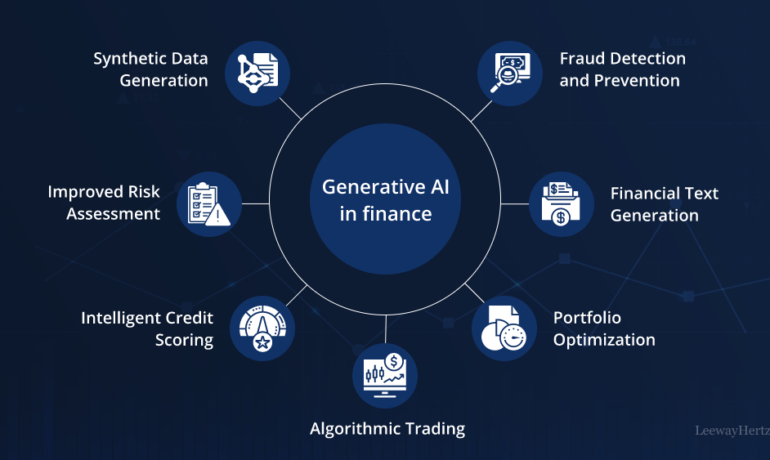
Salesforce: Enhancing Customer Service Efficiency with AI Salesforce, the global leader in AI-driven CRM solutions, has released its latest State of Service report, highlighting the benefits of artificial intelligence (AI) and data in boosting customer revenue, efficiency, and satisfaction. The comprehensive study surveyed over 5,500 service professionals across 30 countries, including Indonesia, revealing a significant reliance on AI to enhance work efficiency in the service sector. AI Increases Customer Service Efficiency. Key Findings from the State of Service Report Salesforce’s report indicates that 86% of professional services organizations in Indonesia have either implemented AI or are evaluating its benefits. Furthermore, 80% of professionals in the region plan to increase their AI investments this year. Gavin Barfield, Chief Technology Officer & Vice President of Solutions at Salesforce ASEAN, remarked on the transformative potential of AI: “Generative AI will enable agents to deliver a smoother and more personalized customer service experience, allowing them more time to focus on building relationships.” Gavin Barfield Primary Functions of AI in Indonesian Services Professionals in Indonesia identified three primary functions of AI in their service operations: The report highlights that 96% of AI-using professional services in Indonesia find AI instrumental in saving time. AI Increases Customer Service Efficiency Barfield emphasized the efficiency gains: “AI helps customer service agents become more efficient by reducing administrative tasks, thus saving time for them to focus on providing personalized and revenue-generating customer experiences. This will fundamentally shift the role of service teams in Indonesia from being cost centers to profit centers.” Conclusion Salesforce’s State of Service report underscores the critical role AI plays in transforming customer service operations. By automating routine tasks and enhancing service quality, AI empowers agents to focus on more strategic, relationship-building activities, ultimately driving greater efficiency and profitability in the service sector. Like Related Posts Who is Salesforce? Who is Salesforce? Here is their story in their own words. From our inception, we’ve proudly embraced the identity of Read more Salesforce Marketing Cloud Transactional Emails Salesforce Marketing Cloud Transactional Emails are immediate, automated, non-promotional messages crucial to business operations and customer satisfaction, such as order Read more Salesforce Unites Einstein Analytics with Financial CRM Salesforce has unveiled a comprehensive analytics solution tailored for wealth managers, home office professionals, and retail bankers, merging its Financial Read more AI-Driven Propensity Scores AI plays a crucial role in propensity score estimation as it can discern underlying patterns between treatments and confounding variables Read more

Read More
gettectonic.com