

Relationships Archives - gettectonic.com - Page 19
MuleSoft Certifications Now Unified with Salesforce Certifications

MuleSoft Certifications Now Unified with Salesforce Certifications

MuleSoft Certifications Now Unified with Salesforce Certifications As of May 6, 2024, MuleSoft certifications have been officially integrated into the Salesforce Certification program, with management now handled through Webassessor. This move simplifies the certification process, enabling professionals to manage both their Salesforce and MuleSoft credentials within a single platform, streamlining maintenance and tracking. This article delves into the merging of MuleSoft certifications with Salesforce’s Trailhead platform, highlighting what this means for professionals in both ecosystems. The update offers a significant improvement in managing certifications, particularly for those working across both platforms, as Salesforce has owned MuleSoft since 2018. We’ll cover what this change entails for current certification holders, key dates in the transition, and the new opportunities this unified platform brings—including new certifications. What is MuleSoft? MuleSoft is a leading integration platform that enables businesses to connect applications, data, and devices seamlessly. As an Integration Platform as a Service (iPaaS), MuleSoft facilitates the integration of cloud-based and on-premise applications, ensuring smooth workflows across various systems. Acquired by Salesforce in 2018, MuleSoft powers the integration layer of the Salesforce ecosystem, playing a crucial role in enabling businesses to unify their systems and create connected experiences. With the increasing demand for digital transformation and connected systems, MuleSoft expertise is becoming ever more valuable in the job market. MuleSoft Certifications and Training MuleSoft certifications validate expertise in designing, building, and managing integrations using the Anypoint Platform. Prior to this transition, MuleSoft certifications were handled through the MuleSoft Training portal, which was separate from Salesforce’s broader certification system. While this independent platform was functional, it required separate accounts and processes, making exam registration and certification management more cumbersome. By integrating MuleSoft certifications into Trailhead, Salesforce has simplified this process, offering a unified, more user-friendly experience for managing certifications. Transition Timeline The following key dates marked the transition: What This Means for Current MuleSoft Certification Holders For those already certified through MuleSoft, the migration to Salesforce’s certification system should have occurred automatically. MuleSoft credentials were transferred to their Trailblazer profiles for anyone with existing Webassessor accounts. A confirmation email was sent to ensure that the transition was successful. For those without a Webassessor account, one was created on their behalf, with login details provided via email by April 2024. Certification Maintenance MuleSoft certification holders with maintenance pending as of January 1, 2024, are not required to complete additional tasks through the old system. The expectation is that certification holders will have ample time to familiarize themselves with the new Trailhead process before maintenance requirements are introduced in 2025. New Certifications on Trailhead With the migration, certifications such as the MuleSoft Certified Catalyst Specialist and MuleSoft Certified Hyperautomation Specialist have also been integrated into Trailhead. Though not entirely new, these certifications were part of the legacy MuleSoft program, originally launched in late 2022 and early 2023. Summary The integration of MuleSoft certifications into Salesforce’s Trailhead platform marks a significant step towards a unified, more efficient credentialing process. This transition simplifies certification management, making it easier for professionals to stay current across both platforms. By merging these certifications, Salesforce is empowering professionals to fully leverage the combined capabilities of Salesforce and MuleSoft, further enhancing their skill sets in an increasingly interconnected digital landscape. Content updated September 2024. Like Related Posts Who is Salesforce? Who is Salesforce? Here is their story in their own words. From our inception, we’ve proudly embraced the identity of Read more Salesforce Marketing Cloud Transactional Emails Salesforce Marketing Cloud Transactional Emails are immediate, automated, non-promotional messages crucial to business operations and customer satisfaction, such as order Read more Salesforce Unites Einstein Analytics with Financial CRM Salesforce has unveiled a comprehensive analytics solution tailored for wealth managers, home office professionals, and retail bankers, merging its Financial Read more AI-Driven Propensity Scores AI plays a crucial role in propensity score estimation as it can discern underlying patterns between treatments and confounding variables Read more

Read More
Salesforce-Powered Nonprofit Events

Salesforce-Powered Nonprofit Events

Salesforce has cemented its position as the #1 CRM, becoming an essential tool for businesses improving their marketing, sales, and support processes. But there’s another powerful feature you should explore: managing events directly within Salesforce. Salesforce’s versatility allows you to organize a successful event of any size, whether it’s online, offline, or a hybrid meeting. However, like any business endeavor, a well-thought-out strategy is crucial to ensure your event planning turns into a major success. In this insight, you’ll learn how events contribute to a business’s lifecycle, how to manage them effectively, and the essential tools you’ll need for successful event management in Salesforce. The Role of Events in Nonprofits If your company hasn’t yet ventured into event organization, it’s time to reconsider. Events are a great way to fuel engagement, foster data-driven decisions, and build a thriving community. On a larger scale, event planning offers a range of business benefits, including: Common Event Management Challenges Even with the best intentions, event planning comes with challenges that can derail your efforts if not addressed. Let’s review some common challenges and how Salesforce can help: How Salesforce Elevates Event Management Salesforce brings significant advantages to event planning, offering: Your Salesforce Event Planning Checklist To ensure your event management with Salesforce is effective, follow this simple checklist: Our Thoughts Building a robust event management process with Salesforce is not only a logical choice but a strategic one. It ensures smooth event execution, supports business growth, and boosts your brand’s equity. By leveraging the right tools, such as Salesforce, your event planning process becomes more efficient, data-driven, and ultimately more successful. For expert support in managing Salesforce-powered events, consider reaching out to a partner like Tectonic to guide you through the process. Like1 Related Posts Who is Salesforce? Who is Salesforce? Here is their story in their own words. From our inception, we’ve proudly embraced the identity of Read more Salesforce Marketing Cloud Transactional Emails Salesforce Marketing Cloud Transactional Emails are immediate, automated, non-promotional messages crucial to business operations and customer satisfaction, such as order Read more Salesforce Unites Einstein Analytics with Financial CRM Salesforce has unveiled a comprehensive analytics solution tailored for wealth managers, home office professionals, and retail bankers, merging its Financial Read more AI-Driven Propensity Scores AI plays a crucial role in propensity score estimation as it can discern underlying patterns between treatments and confounding variables Read more

Read More
Slack Fuels Productivity

Slack Fuels Productivity

In today’s fast-paced marketing landscape, organizations are navigating a dynamic environment characterized by automation, advanced technology tools, and readily available data. These resources enable businesses to gain deeper insights into customer needs and engage with them effectively across various touchpoints. However, technological advancements, coupled with increasing acquisition costs, necessitate a reimagining of interactions both internally and with customers throughout the buyer journey. Slack Fuels Productivity of marketers worldwide. This insight addresses how. Enterprises leverage Slack to streamline their marketing efforts and accelerate time-to-market. By harnessing the power of Slack, Salesforce marketers enhance productivity and collaboration within their teams. According to Salesforce’s State of Marketing report, 90% of CMOs emphasize the importance of ongoing innovation to maintain competitiveness in the market. Slack empowers marketers in several ways: At Salesforce, marketing is a collaborative effort involving creative leads, field marketing managers, product marketers, and campaign specialists. From content creation to sales enablement and event planning, seamless cross-functional collaboration is essential for driving messaging and demand for the business. Slack serves as the intelligent productivity platform for unifying team members and accelerating work across the entire marketing organization. By leveraging automation and integrations, Salesforce marketers focus on strategic initiatives rather than daily tasks. Slack’s Workflow Builder enables teams to automate routine tasks, freeing up time for more impactful work. Moreover, channels in Slack serve as a central hub for aligning marketing teams, facilitating brainstorming, decision-making, and collaboration. Slack Fuels Productivity by connecting the teams and the processes. Slack’s upcoming AI features, including channel recaps and search answers, will further empower teams to make informed decisions efficiently. By centralizing knowledge and facilitating communication, Slack plays a pivotal role in driving alignment, improving productivity, and fostering stronger partnerships within the marketing ecosystem. Slack revolutionizes marketing operations by providing a platform for seamless collaboration, automation, and knowledge sharing. Salesforce’s use of Slack exemplifies how organizations can leverage intelligent productivity tools to stay agile, drive innovation, and achieve marketing success in today’s competitive landscape. Like Related Posts Who is Salesforce? Who is Salesforce? Here is their story in their own words. From our inception, we’ve proudly embraced the identity of Read more Salesforce Marketing Cloud Transactional Emails Salesforce Marketing Cloud Transactional Emails are immediate, automated, non-promotional messages crucial to business operations and customer satisfaction, such as order Read more Salesforce Unites Einstein Analytics with Financial CRM Salesforce has unveiled a comprehensive analytics solution tailored for wealth managers, home office professionals, and retail bankers, merging its Financial Read more AI-Driven Propensity Scores AI plays a crucial role in propensity score estimation as it can discern underlying patterns between treatments and confounding variables Read more
Read More
Salesforce Data Cloud

Tracking Money Flows with Data Cloud

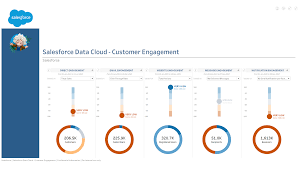
In the digital era, banks face a significant challenge: obtaining a clear, reliable, and accurate understanding of their customers amidst a vast amount of fragmented data spread across different systems. Tracking Money Flows with Data Cloud. Despite the abundance of data, it often fails to provide a complete or accurate narrative. Simple questions like “Did a customer’s funds remain within the bank or exit entirely?” can be surprisingly challenging to answer due to this fragmented data. This disjointed view of customer behavior obstructs banks from leveraging valuable data to make informed decisions and enhance client engagement. Data Cloud and Data Strategy The solution lies not just in the data itself but in developing a robust strategy to consolidate customer data and make it actionable. By breaking down data silos and constructing comprehensive customer profiles, banks can unlock the true potential of their information. This leads to a deeper comprehension of their clients, enabling them to make intelligent decisions that drive engagement, predict customer needs, and manage attrition risks effectively. In today’s intricate economic landscape, this data-driven approach isn’t merely advantageous—it’s essential for banks to stay competitive and achieve sustained success. Tracking Money and Money Flows with Data Cloud Consider the case of William to illustrate the impact of data analytics. William, a sophisticated investor, continuously shifted his funds seeking the best returns. This presented a challenge for his bank, whose legacy systems were ill-equipped to track his dynamic financial activities effectively. The bank’s inability to follow William’s money hindered marketing and attrition management efforts. They needed to understand if funds were truly leaving the institution or just relocating within its ecosystem. The introduction of Data Cloud transformed the bank’s capabilities. By consolidating disparate data sources, they gained real-time insights into William’s financial activities, allowing them to understand his relationship with the bank better and make more reliable attrition predictions. Armed with this knowledge, the bank personalized their approach to William, showcasing tailored offerings aligned with his financial objectives. This personalized engagement transformed their relationship from transactional to collaborative, reducing attrition risk and maximizing mutual benefit. William’s case became a model for the bank, demonstrating the power of unifying data silos to understand customers’ financial behavior comprehensively. In today’s financial environment, overcoming fragmented data is paramount. Data Cloud offers a winning solution: Harnessing the abundance of data is crucial. By leveraging tools like Data Cloud, banks can unravel the mysteries of customer behavior and optimize their operations effectively. Like Related Posts Who is Salesforce? Who is Salesforce? Here is their story in their own words. From our inception, we’ve proudly embraced the identity of Read more Salesforce Marketing Cloud Transactional Emails Salesforce Marketing Cloud Transactional Emails are immediate, automated, non-promotional messages crucial to business operations and customer satisfaction, such as order Read more Salesforce Unites Einstein Analytics with Financial CRM Salesforce has unveiled a comprehensive analytics solution tailored for wealth managers, home office professionals, and retail bankers, merging its Financial Read more AI-Driven Propensity Scores AI plays a crucial role in propensity score estimation as it can discern underlying patterns between treatments and confounding variables Read more

Read More
Salesforce Summer 24 Sales Release Notes

Salesforce Summer 24 Sales Release Notes

Changes are afoot for Salesforce Sales Cloud. Salesforce Summer 24 Sales Release Notes. Salesforce Summer 24 Sales Release Notes Like Related Posts Who is Salesforce? Who is Salesforce? Here is their story in their own words. From our inception, we’ve proudly embraced the identity of Read more Salesforce Marketing Cloud Transactional Emails Salesforce Marketing Cloud Transactional Emails are immediate, automated, non-promotional messages crucial to business operations and customer satisfaction, such as order Read more Salesforce Unites Einstein Analytics with Financial CRM Salesforce has unveiled a comprehensive analytics solution tailored for wealth managers, home office professionals, and retail bankers, merging its Financial Read more AI-Driven Propensity Scores AI plays a crucial role in propensity score estimation as it can discern underlying patterns between treatments and confounding variables Read more

Read More
Salesforce Experience Cloud Summer 24 Release Notes

Salesforce Experience Cloud Summer 24 Release Notes

Customization is key, and Experience Cloud is here to help you deliver. Salesforce Experience Cloud Summer 24 Release Notes. Integrate enhanced LWR sites with Data Cloud to gain deeper insights into site visitor interactions. Elevate your site with new styling features for forms and buttons, streamlined search options, and increased control over the layout and spacing of your LWR sites. Improve your visitor login experience with a new integration framework for headless login and guest user identity flows. Stay productive on the go with a collection of updates to the Mobile Publisher app. Salesforce Experience Cloud Summer 24 Release Notes Like Related Posts Who is Salesforce? Who is Salesforce? Here is their story in their own words. From our inception, we’ve proudly embraced the identity of Read more Salesforce Marketing Cloud Transactional Emails Salesforce Marketing Cloud Transactional Emails are immediate, automated, non-promotional messages crucial to business operations and customer satisfaction, such as order Read more Salesforce Unites Einstein Analytics with Financial CRM Salesforce has unveiled a comprehensive analytics solution tailored for wealth managers, home office professionals, and retail bankers, merging its Financial Read more AI-Driven Propensity Scores AI plays a crucial role in propensity score estimation as it can discern underlying patterns between treatments and confounding variables Read more

Read More
Salesforce Customer 360 Data Model

Salesforce Customer 360 Data Model

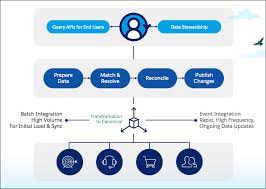
Customer 360 Data Model The Salesforce Customer 360 Data Model simplifies data integration across cloud applications by providing standardized guidelines. This model allows for the creation of data lakes, generation of analytics, training of machine-learning models, and building a unified view of the customer. Organization into Subject Areas The model is organized into various subject areas, each representing a significant business activity such as customer information, product data, or engagement data. Each subject area is comprised of Data Model Objects (DMOs). A DMO is a view of your data imported into Data Cloud from data streams, insights, and other sources. DMOs use attributes (fields) to organize data in specific and meaningful ways. The term “DMO” can refer to either the Salesforce-created and managed schema for a DMO or an instance of a DMO in an organization based on that schema. Types of DMOs Multiple types of DMOs can be created and used within an organization: Data Mapping and Integration Data imported into Data Cloud must be mapped to a DMO before it can be used for segmentation, activation, analytics, or other operations. To start mapping data, add a connected data source to Data Cloud. After connecting a source, Data Cloud allows you to create mapping sets between objects and fields within it and the Customer 360 Data Model. For more detailed information about DMOs and other object types used in Data Cloud, refer to Data Objects in Data Cloud. Data Relationship Diagram The Customer 360 Data Model connects disparate data by linking DMOs through relationships. Here’s the full data relationship diagram for the Customer 360 Data Model. Subject Area Diagram For an overview of the data model, you can view the Overview Data Model on the Salesforce Architect page. To further explore this topic, review the associated Trailhead module: Customer 360 Data Model for Data Cloud. Data Model Subject Areas Learn more about the different subject areas within Data Cloud: Individual and Contact Points When using the Customer 360 Data Model, Data Cloud prepares a list of Salesforce-published objects, fields, metadata, and relationships to ensure consistency across applications and business processes. Individual and contact point objects are crucial for successful and complete data streams. For more detailed diagrams and information, visit the Salesforce Architect page and explore the related Trailhead module. Like1 Related Posts Who is Salesforce? Who is Salesforce? Here is their story in their own words. From our inception, we’ve proudly embraced the identity of Read more Salesforce Marketing Cloud Transactional Emails Salesforce Marketing Cloud Transactional Emails are immediate, automated, non-promotional messages crucial to business operations and customer satisfaction, such as order Read more Salesforce Unites Einstein Analytics with Financial CRM Salesforce has unveiled a comprehensive analytics solution tailored for wealth managers, home office professionals, and retail bankers, merging its Financial Read more AI-Driven Propensity Scores AI plays a crucial role in propensity score estimation as it can discern underlying patterns between treatments and confounding variables Read more
Read More
WhatsApp Integration Brings Service and Marketing Together

WhatsApp Integration Brings Service and Marketing Together

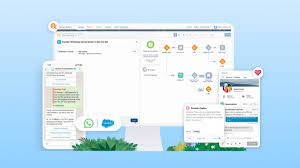
Salesforce has announced the general availability of Unified Conversations for WhatsApp, transforming one-way marketing promotions and service requests into dynamic, two-way conversations from a single WhatsApp number. WhatsApp Integration Brings Service and Marketing Together. Now, instead of managing separate threads for promotions and support, customers can receive personalized opt-in marketing promotions and individual support all within a single WhatsApp chat. This unified approach allows companies like Agibank to leverage Salesforce data from over 900 hubs within WhatsApp to deliver personalized loan proposals, resolve issues faster, and better support customers in a single conversation. Why It Matters A significant 79% of customers expect consistent interactions across departments, and 75% prefer to communicate with brands through messaging. However, businesses often fail to meet these expectations, with disconnected experiences being a top customer frustration. Salesforce Perspective “With over two billion people using WhatsApp, Salesforce’s Unified Conversations for WhatsApp enables brands to connect with customers in a unified, trusted manner,” said Steve Hammond, EVP and GM of Salesforce Marketing Cloud. “This helps brands break down internal barriers and build stronger relationships throughout the customer journey, ensuring personalized engagement at the right time and context.” Go Deeper Unified Conversations for WhatsApp is powered by Salesforce Data Cloud, allowing companies to consolidate data into Salesforce and create a unified customer profile. This shared profile provides marketers and service agents with the relevant context to deliver trusted experiences in a single chat thread. Innovation in Action Unified Conversations for WhatsApp combines marketing and service conversations, enabling: Customer Perspective Matheus Girardi, Chief Marketing and Customer Officer at Agibank, shared, “Our customers rely on WhatsApp to engage with us. Unifying our data in Salesforce for WhatsApp has improved our user experience by personalizing loan proposals, resolving concerns, and supporting customers. Salesforce’s previous integration with WhatsApp tripled our digital sales, and we are excited to do more.” Roberto Maia, Chief Information Officer at YDUQS, added, “WhatsApp is the preferred messaging app for our students across Brazil. We look forward to utilizing Unified Conversations to better engage and serve them and convert leads faster.” Availability Unified Conversations for WhatsApp is now generally available. Like Related Posts Who is Salesforce? Who is Salesforce? Here is their story in their own words. From our inception, we’ve proudly embraced the identity of Read more Salesforce Marketing Cloud Transactional Emails Salesforce Marketing Cloud Transactional Emails are immediate, automated, non-promotional messages crucial to business operations and customer satisfaction, such as order Read more Salesforce Unites Einstein Analytics with Financial CRM Salesforce has unveiled a comprehensive analytics solution tailored for wealth managers, home office professionals, and retail bankers, merging its Financial Read more AI-Driven Propensity Scores AI plays a crucial role in propensity score estimation as it can discern underlying patterns between treatments and confounding variables Read more
Read More
Salesforce Success Story

Case Study: Salesforce Nonprofit Success Pack Configuration Correction

A Community Foundation located in the Northwest United States supported by donors / members that provides philanthropic leadership in the Northwest through awarding of grants and sponsorships to nonprofit organizations, student scholarships, and the coordination of collaborative responses to the region’s complex needs had an improperly installed Salesforce Nonprofit Success Pack. Salesforce Nonprofit Success Pack Configuration Correction case study. Industry: Nonprofit Problem: Nonprofit client uses Salesforce NonProfit Success Pack to maintain member data and associated donation records, but the solution was originally configured incorrectly, resulting in: Implemented : Our solution? Tectonic performed analysis on the existing Salesforce NonProfit Success Pack solution and identified errors and made improvements.  The following activities were performed during the project: Results: Salesforce offers customized solutions for the nonprofit and NGO industries, assisting companies in this field to provide outstanding donor and member experiences, optimize workflows, and spur expansion to further extend the reach of their good works. These solutions make use of the Salesforce Nonprofit Success Pack to improve communication, organize data, and provide a customized experience. Salesforce offers digital transformation technology for NGO, religious instutions and Nonprofit industries. If you are considering a Salesforce nonprofit implementation, contact Tectonic today. Like2 Related Posts Who is Salesforce? Who is Salesforce? Here is their story in their own words. From our inception, we’ve proudly embraced the identity of Read more Salesforce Marketing Cloud Transactional Emails Salesforce Marketing Cloud Transactional Emails are immediate, automated, non-promotional messages crucial to business operations and customer satisfaction, such as order Read more Salesforce Unites Einstein Analytics with Financial CRM Salesforce has unveiled a comprehensive analytics solution tailored for wealth managers, home office professionals, and retail bankers, merging its Financial Read more AI-Driven Propensity Scores AI plays a crucial role in propensity score estimation as it can discern underlying patterns between treatments and confounding variables Read more

Read More
Big Marketing Strategies for Small Businesses

Big Marketing Strategies for Small Businesses

Smart Marketing Strategies for SMBs and Startups on a Budget Running a small or medium-sized business (SMB) or startup means finding creative ways to attract customers while maximizing limited resources. While marketing on a tight budget may seem challenging, the right approach can turn constraints into opportunities. Read on to discover great big tactics for little businesses. With a mix of technology and creativity, you can effectively grow your business without overspending. In fact, 76% of SMBs are investing more in technology this year than last. With a strategic mindset and the right tools, budget-conscious marketing can be just as impactful as big-budget campaigns. Build a Cost-Effective Website Start your marketing journey with a free or low-cost website—your business’s digital storefront. You don’t need a massive investment to make your site engaging and effective. With easy-to-use ecommerce platforms, you can create a clean, user-friendly site that connects with your audience. How to Make Your Website Shine: Leverage SEO and Content Marketing Search engine optimization (SEO) and content marketing are your best allies in boosting online visibility without high costs. A well-optimized website with valuable content can drive organic traffic and increase engagement. SEO Tips for SMBs: Maximize Google My Business (GMB) Google My Business is a free tool that enhances your visibility in local searches. Keep your profile updated with accurate contact details, business hours, and engaging photos to build credibility and attract local customers. How to Optimize GMB: Personalize Email Marketing Campaigns Email marketing is a cost-effective way to stay connected with customers. A well-crafted email strategy fosters engagement and brand loyalty. Email Marketing Best Practices: Invest in a CRM System A customer relationship management (CRM) tool helps streamline communication, track leads, and improve customer interactions. Platforms like Starter Suite make it easy to follow up with potential customers and create targeted marketing campaigns. Why Use a CRM? Optimize Social Media Marketing Social media is a powerful and free tool for brand awareness, but success depends on consistency and strategy. Focus on platforms where your target audience is most active. Social Media Best Practices: Leverage Video and Podcasts Encourage Customer Testimonials Nothing builds trust like genuine customer reviews and testimonials. Positive feedback can influence potential buyers and reinforce credibility. How to Gather Great Testimonials: Pro Tip: Use AI-powered tools to generate surveys, craft follow-up emails, and request reviews efficiently. Track Progress with Analytics Marketing efforts should be data-driven. Tools like Google Analytics and CRM platforms provide insights into customer behavior, traffic sources, and campaign effectiveness. How to Use Analytics: Market Your SMB Like a Pro—Without a Big Budget Effective marketing doesn’t require a massive budget—just smart strategies and the right tools. By building a strong online presence, leveraging cost-effective marketing channels, and connecting with customers personally, you can make a lasting impact. Get started with Starter Suite today to streamline your marketing and grow your business with ease. If you have read this far, you may be concerned you don’t have the manpower to make these changes. Tectonic is here to help. Contact us today! Like Related Posts Who is Salesforce? Who is Salesforce? Here is their story in their own words. From our inception, we’ve proudly embraced the identity of Read more Salesforce Marketing Cloud Transactional Emails Salesforce Marketing Cloud Transactional Emails are immediate, automated, non-promotional messages crucial to business operations and customer satisfaction, such as order Read more Salesforce Unites Einstein Analytics with Financial CRM Salesforce has unveiled a comprehensive analytics solution tailored for wealth managers, home office professionals, and retail bankers, merging its Financial Read more AI-Driven Propensity Scores AI plays a crucial role in propensity score estimation as it can discern underlying patterns between treatments and confounding variables Read more

Read More
Salesforce Flow Builder

Salesforce Flow Builder

Salesforce Flow Builder: Key Limitations & Workarounds (2024 Guide) While Salesforce Flow Builder is a powerful automation tool, it comes with important technical constraints that every admin and developer should understand. Here’s a concise breakdown of the most critical limitations and practical solutions: Core Limitations of Flow Builder 1. Execution Limits 2. Query & Data Operation Constraints 3. Performance Boundaries 4. Structural Constraints 5. Execution Order Challenges Additional Considerations Pro Tips for Optimization “The best flows are simple flows. When you hit these limits, it’s often a sign to reevaluate your architecture.” – Salesforce Architect’s Handbook Understanding these boundaries will help you design more efficient automations while knowing when to transition to code-based solutions. Like Related Posts Who is Salesforce? Who is Salesforce? Here is their story in their own words. From our inception, we’ve proudly embraced the identity of Read more Salesforce Marketing Cloud Transactional Emails Salesforce Marketing Cloud Transactional Emails are immediate, automated, non-promotional messages crucial to business operations and customer satisfaction, such as order Read more Salesforce Unites Einstein Analytics with Financial CRM Salesforce has unveiled a comprehensive analytics solution tailored for wealth managers, home office professionals, and retail bankers, merging its Financial Read more AI-Driven Propensity Scores AI plays a crucial role in propensity score estimation as it can discern underlying patterns between treatments and confounding variables Read more

Read More
Channel Sales Management Salesforce

Channel Sales Management Salesforce

Salesforce provides tools for channel sales management, primarily through its Partner Relationship Management (PRM) solutions, which are integrated within Sales Cloud. This allows companies to manage and optimize their indirect sales channels, including partners, distributors, and resellers. Salesforce PRM offers features like partner portals, dashboards, and automation to streamline communication, collaboration, and deal management.  Key aspects of Salesforce Channel Sales Management: Benefits of Salesforce Channel Management: You could say, Salesforce provides a robust platform for managing and optimizing channel sales, enabling businesses to expand their reach, drive revenue growth, and build stronger relationships with their partners.  Content updated June 2025. Like Related Posts Who is Salesforce? Who is Salesforce? Here is their story in their own words. From our inception, we’ve proudly embraced the identity of Read more Salesforce Marketing Cloud Transactional Emails Salesforce Marketing Cloud Transactional Emails are immediate, automated, non-promotional messages crucial to business operations and customer satisfaction, such as order Read more Salesforce Unites Einstein Analytics with Financial CRM Salesforce has unveiled a comprehensive analytics solution tailored for wealth managers, home office professionals, and retail bankers, merging its Financial Read more AI-Driven Propensity Scores AI plays a crucial role in propensity score estimation as it can discern underlying patterns between treatments and confounding variables Read more

Read More
gettectonic.com