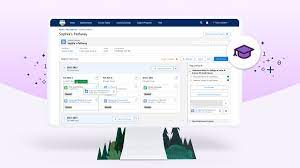
Roadmap Archives - gettectonic.com - Page 5
AI-Powered Contact Center Landscape

AI-Powered Contact Center Landscape

Navigating the AI-Powered Contact Center Landscape: A Roadmap for Success With thousands of solutions in the contact center ecosystem, each claiming to offer “AI-powered, next-generation technology,” it’s easy to feel overwhelmed. Many of these claims are valid, as AI and machine learning are transforming contact centers and improving customer experiences. But with so many options and combinations of AI-powered solutions, how can you be sure you’re making the right decision? The answer is that it’s almost impossible without help. Trying to research and evaluate every solution on your own could take months or even years—by which time, the technology will have evolved. Plus, if you rely solely on information from manufacturers or software providers, you may only get a one-sided perspective that leads to “CCaaS FOMO” (Fear of Missing Out). A More Objective Approach to the Contact Center Journey While we can’t claim to be 100% unbiased, we take a unique approach. We start with your business, understanding your specific needs, culture, and processes before introducing solutions that fit. Not every top-rated solution is right for your business, and the roadmap below outlines how we help you navigate this complex landscape. 1. Involving Key Stakeholders The first step is ensuring you have the right people involved—those with a vested interest in the contact center‘s success. It’s helpful to break these roles into three categories: Having clear roles and expectations helps streamline the process and ensures everyone is on the same page. 2. Conducting a Contact Center Assessment This discovery phase is crucial for identifying the key drivers behind your business needs. Each contact center is different, even within the same industry. That’s why a one-size-fits-all scorecard won’t work. It’s beneficial to bring in a third-party consultant with broad industry knowledge to conduct an assessment, offering valuable insights that help create a clear vision. 3. Creating a Unique Scorecard Once you’ve completed your assessment, stakeholders can work together to establish a customized scorecard that reflects your business objectives. Whether customer service is your primary focus or you’re more telemarketing-heavy, this scorecard ensures that your solution is tailored to your specific needs. It’s also important to involve contributors and advocates in the process to gain widespread buy-in. 4. Scheduling Solution Demonstrations With a solid scorecard in hand, it’s time to identify and evaluate vendors. A contact center consultant can help streamline this process. Scoring each solution based on how well it aligns with your goals keeps the focus on substance over flash, ensuring the right solution for your business. 5. Analyzing Scorecard Data When reviewing the scorecard data, stakeholders should ask key questions: This analysis ensures that decisions are data-driven and aligned with business goals. 6. Finalizing Vendor Selection-AI-Powered Contact Center Landscape Once the data is compiled and a consensus is reached, it’s time to move forward with a contract proposal. Beyond the solution itself, discuss critical details like implementation timelines, ongoing support, and maintenance to set clear expectations and ensure accountability. Financial Modeling: Justifying the Investment Looking at your goals through a financial lens helps quantify the benefits of your contact center investment. For example, reducing average handling time by just 12 seconds across the company might result in cost-neutral savings. Similarly, reducing call abandonment by even half a percentage point can have a significant impact. These financial considerations help justify ROI and set expectations. Partnering with Tectonic: Expertise You Can Trust At Tectonic, we live and breathe contact centers. Our team of experts comes directly from this world, so we understand the challenges and opportunities. We’re here to help you navigate the complexities of the contact center ecosystem and bring clarity to your CCaaS journey. Contact us today to get started! For more resources, visit our blog or explore our AI solutions to elevate your customer experience. Like Related Posts Who is Salesforce? Who is Salesforce? Here is their story in their own words. From our inception, we’ve proudly embraced the identity of Read more Salesforce Marketing Cloud Transactional Emails Salesforce Marketing Cloud Transactional Emails are immediate, automated, non-promotional messages crucial to business operations and customer satisfaction, such as order Read more Salesforce Unites Einstein Analytics with Financial CRM Salesforce has unveiled a comprehensive analytics solution tailored for wealth managers, home office professionals, and retail bankers, merging its Financial Read more AI-Driven Propensity Scores AI plays a crucial role in propensity score estimation as it can discern underlying patterns between treatments and confounding variables Read more

Read More
Thoughts on Workday With Illuminate

Workday Illuminate

Announcing Workday Illuminate™: The Next Generation of Workday AI Illuminate Harnesses the Power of the World’s Largest HR and Finance Dataset to Drive Enterprise Transformation With AI Experience the Future of Work at Workday Rising 2024 LAS VEGAS, Sept. 2024 /PRNewswire/ — Workday, Inc. (NASDAQ: WDAY), a leading provider of solutions to help organizations manage their people and money, today announced Illuminate, the next generation of Workday AI. Built on the world’s largest and cleanest HR and finance dataset, Illuminate accelerates manual tasks, assists every employee, and ultimately transforms entire business processes.  AI That Taps Into the Combined Power of HR and Finance Data and ContextIlluminate models are fueled by the more than 800 billion business transactions processed by the Workday platform annually. But the data alone doesn’t tell the full story. Illuminate understands not only the data but also the context—the “why” or “how” behind every HR and financial process, such as how processes are connected, the people and roles involved, and the current task at hand – along with previous conversational AI interactions. With this powerful combination of data and context, Illuminate enables precise decision-making, anticipates employee needs, and delivers personalized experiences like never before. “The business world is in the midst of a tectonic shift, excited about the immense potential of AI while also struggling to implement it in a way that drives meaningful results,” said Carl Eschenbach, CEO, Workday. “By placing tangible business value, responsible innovation, and user-centric design at the forefront, Workday Illuminate empowers businesses to harness AI’s full potential to drive unprecedented productivity and move forever forward.” Illuminate: Transforming the Way People WorkIlluminate works across the Workday platform, delivering powerful insights for precise decision making and streamlined actions. Illuminate will help organizations drive exponential productivity gains and significant cost savings in the following ways: Illuminate elevates people by enabling them to focus on the work that matters and do the things that are uniquely human – from spending more time with customers, constituents, or patients to pursuing more creative and meaningful work to building critical peer, team, and stakeholder relationships. Workday Ecosystem Extends the Power of IlluminateIlluminate also lets customers use AI innovations from Workday’s partners, or developed through Workday AI Gateway, and orchestrates processes across all of them on the same platform. This allows customers to leverage their existing AI investments and extend the power of Illuminate, driving even greater value and innovation across their organizations. “The rapid adoption of AI across enterprises has created a complex web of models, data pipelines, and infrastructure,” said Bob Evans of Cloud Wars. “For businesses that want to effectively manage, scale, and govern their AI initiatives – ensuring they deliver real value while also mitigating risk – it’s absolutely essential to get all of those AI components working together to complete more complex cross-functional tasks. Workday Illuminate will provide that cross-platform AI orchestration that businesses will need to be successful in this age of AI.” AvailabilityWorkday Illuminate is available to customers now, and will continue to evolve as part of Workday’s robust three year AI roadmap. About WorkdayWorkday is a leading enterprise platform that helps organizations manage their most important assets – their people and money. The Workday platform is built with AI at the core to help customers elevate people, supercharge work, and move their business forever forward. Workday is used by more than 10,500 organizations around the world and across industries – from medium-sized businesses to more than 60% of the Fortune 500. For more information about Workday, visit workday.com. © 2024 Workday, Inc. All rights reserved. Workday and the Workday logo are registered trademarks of Workday, Inc. All other brand and product names are trademarks or registered trademarks of their respective holders. Like Related Posts Who is Salesforce? Who is Salesforce? Here is their story in their own words. From our inception, we’ve proudly embraced the identity of Read more Salesforce Unites Einstein Analytics with Financial CRM Salesforce has unveiled a comprehensive analytics solution tailored for wealth managers, home office professionals, and retail bankers, merging its Financial Read more AI-Driven Propensity Scores AI plays a crucial role in propensity score estimation as it can discern underlying patterns between treatments and confounding variables Read more Tectonic’s Successful Salesforce Track Record Salesforce Technology Services Integrator – Tectonic has successfully delivered Salesforce in a variety of industries including Public Sector, Hospitality, Manufacturing, Read more

Read More
on Nonprofit Cloud

Mark Becker on Nonprofit Cloud

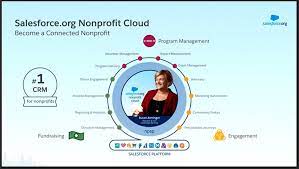
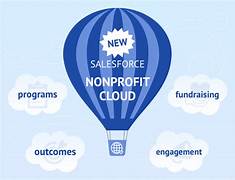
In May 2023, Salesforce released a new CRM offering called the Nonprofit Cloud. Since then, Salesforce has continued to roll out new products and functionality within Nonprofit Cloud. This article originally appeared in Nonprofit Pro. If your nonprofit uses the Salesforce Nonprofit Success Pack (NPSP) or is considering a move to the Nonprofit Cloud, you might be interested in learning more about it and how it’s being adopted in the sector. Let’s take a look at some key points about Salesforce Nonprofit Cloud. A Brief History of Salesforce NPSP and Nonprofit Cloud Salesforce has provided technology for nonprofits for the past 20 years. During this time, there have been multiple solutions for organizations developed for or by Salesforce. Related story: What to Know About Constituent Relationship Management System for Nonprofits For the past 15 years or so, Salesforce’s prominent solution for nonprofits has been NPSP, originally called Nonprofit Starter Pack. Today, tens of thousands of nonprofits use NPSP for their CRM system and fundraising needs. Some Differences Between Salesforce NPSP and Nonprofit Cloud Without getting too techy about the differences between Salesforce NPSP and Nonprofit Cloud, here’s a simple overview. NPSP is what many call a “managed” package. It’s built on top of the Salesforce platform as a sort of product that is installed in a nonprofit’s Salesforce environment. It’s primarily used by nonprofits for fundraising and CRM. Nonprofits using NPSP have often added other managed packages, such as Volunteers for Salesforce and the Program Management Module, to address other needs while staying within the Salesforce environment. The Nonprofit Cloud, on the other hand, is built into the Salesforce platform. It’s not a managed product, which means it’s not a “product” installed in the Salesforce environment. Instead, it’s part of the platform itself. This approach provides nonprofit-specific features without the need to go through an installation process. But it’s important to note that Nonprofit Cloud still must be customized for each organization’s needs, which may include setup, data migration, testing, and training. Another difference between NPSP and Nonprofit Cloud is Salesforce’s investment. While Salesforce continues to sell and support NPSP, most of the new features and functionality they’re rolling out are within Nonprofit Cloud. Adoption of the Salesforce Nonprofit Cloud in the Sector It’s not clear exactly how many nonprofits have moved or are moving to Nonprofit Cloud. But a recent study about Salesforce Nonprofit Cloud implementations from Watt Hamlett Consulting sheds some light on the adoption of the Salesforce offering. A few key highlights from the study of Salesforce consultants include: The report estimates that there are likely a few hundred Nonprofit Cloud projects in progress or completed, and 75 or more firms with some experience with it. So, it seems fair to say that while it’s still early days with Nonprofit Cloud, there are nonprofits becoming early adopters of the offering, there are Salesforce consultants that are gaining experience with Nonprofit Cloud implementations and many consultants consider themselves willing and ready to take on Nonprofit Cloud projects. Tips for Moving Forward With Salesforce Offerings for Nonprofits If your organization uses Salesforce NPSP or is considering moving to Salesforce, there’s not a one-size-fits-all answer to whether you should adopt the Nonprofit Cloud at this time. In some cases, it might make sense to stay on NPSP. In others, it might make sense to move to or start out with some elements of Nonprofit Cloud. However, here are some tips to help you take the next steps as you consider using Salesforce solutions for your nonprofit. Stay Informed Salesforce continues to roll out new products, features, and functionality within Nonprofit Cloud. To stay current, it’s worthwhile to watch for announcements and product roadmaps from Salesforce. Think Ahead It’s important to think about your long-term technology plan when deciding whether to adopt the Nonprofit Cloud or choose/stay with NPSP. Consider your organization’s current technology systems and organizational goals for the next three to five years as you weigh your decision. Consider the Pros and Cons Staying on or starting out with NPSP might seem like a safe choice. Thousands of nonprofits are still using the solution, and Salesforce is continuing to support it. However, the focus for Salesforce appears to be around Nonprofit Cloud, so NPSP might not receive much innovation in the future. Plus, if you are already using NPSP and the apps you use with NPSP don’t work within Nonprofit Cloud, then you might want to stay on NPSP until you have a more comprehensive plan for moving to the Nonprofit Cloud. On the flip side, if you were to move to the new Nonprofit Cloud, you would gain the benefits of an ongoing stream of new features and functionality from Salesforce. But you would be an early adopter, which can come with its own challenges, including a low number of customer references and Salesforce consultants with minimal experience working with the solution. And until Salesforce consultants have more experience, the complexity and cost of Nonprofit Cloud implementations could be higher than NPSP. Get Expert Help There are a lot of considerations when it comes to understanding the pros and cons of adopting new technology. It can be extremely helpful to work with a technology consulting firm to assess your organization’s needs and find the right solution for your nonprofit. Mark BeckerAuthor’s page Mark founded Cathexis Partners in 2008 to help nonprofit organizations get the most from their existing technology tools, implement new technology to address gaps and find the best overall approach to using technology to support their missions. He previously served as director of IT consulting at a fundraising event production company focused on nonprofits. Mark also serves on the editorial advisory board for NonProfit PRO, where he contributes monthly to his blog, “Nonprofit Tech Matters.” Like Related Posts Who is Salesforce? Who is Salesforce? Here is their story in their own words. From our inception, we’ve proudly embraced the identity of Read more Salesforce Marketing Cloud Transactional Emails Salesforce Marketing Cloud Transactional Emails are immediate, automated,

Read More
Adopting Salesforce Security Policies

Adopting Salesforce Security Policies

Data breaches reached an all-time high in 2023, affecting more than 234 million individuals, and there’s no sign of the trend slowing down. At the center of this challenge is how organizations allocate resources to safeguard customer data. One of the most critical systems for managing this data is CRM platforms like Salesforce, used by over 150,000 U.S. businesses. However, security blind spots within Salesforce continue to pose significant risks. To address these concerns, the National Institute of Standards and Technology (NIST) offers a strategic framework for Salesforce security teams. In February 2024, NIST released Version 2.0 of its Cybersecurity Framework (CSF), marking the first major update in a decade. Key improvements include the introduction of a new “Govern” function, streamlining of categories to simplify usability, and updates to the “Respond” function to enhance incident management. This framework now applies across all industries, not just critical infrastructure. For Salesforce security leaders, these changes will significantly affect how they manage security, from aligning Salesforce practices with enterprise risk strategies to strengthening oversight of third-party apps. Here’s how these updates will influence Salesforce security going forward. What is the NIST Cybersecurity Framework 2.0? The NIST Cybersecurity Framework, first launched in 2014, was developed after an executive order by President Obama, aiming to provide a standardized set of guidelines to improve cybersecurity across critical infrastructure. The framework’s objectives include: The newly updated NIST CSF 2.0, released in 2024, expands on the original framework, providing organizations with structured, yet flexible, guidance for managing cybersecurity risks. It revolves around three core components: the CSF Core, CSF Profiles, and CSF Tiers. Key Components of NIST Cybersecurity Framework 2.0 These components help organizations understand, assess, and improve their cybersecurity posture, forming the basis for risk-informed strategies that align with organizational needs and the evolving threat landscape. Key Updates in the NIST Cybersecurity Framework 2.0 and Their Impact on Salesforce Security The 2024 updates to NIST CSF offer insights that Salesforce security leaders can use to align their strategies with evolving cybersecurity risks. Implementation Strategies for Salesforce Security Leaders To incorporate CSF 2.0 into Salesforce security operations, leaders should: Conclusion: Embracing NIST CSF 2.0 to Strengthen Salesforce Security The 2024 NIST Cybersecurity Framework updates offer crucial insights for Salesforce security leaders. By adopting these practices, organizations can enhance data protection, strengthen incident response capabilities, and ensure business continuity—critical for those relying on Salesforce for managing sensitive customer data. Like Related Posts Who is Salesforce? Who is Salesforce? Here is their story in their own words. From our inception, we’ve proudly embraced the identity of Read more Salesforce Marketing Cloud Transactional Emails Salesforce Marketing Cloud Transactional Emails are immediate, automated, non-promotional messages crucial to business operations and customer satisfaction, such as order Read more Salesforce Unites Einstein Analytics with Financial CRM Salesforce has unveiled a comprehensive analytics solution tailored for wealth managers, home office professionals, and retail bankers, merging its Financial Read more AI-Driven Propensity Scores AI plays a crucial role in propensity score estimation as it can discern underlying patterns between treatments and confounding variables Read more

Read More
Citizen Development

Citizen Development

As we progress through the era of digital transformation, citizen development has emerged as a key trend in the business landscape. This approach empowers end-users to create their applications, streamlining workflows and reshaping corporate operations. However, like any innovation, citizen development presents both advantages and challenges. In this article, we will explore the benefits, pros and cons of citizen development, and strategies to effectively leverage it within your organization. 1. The Rise of Citizen Development The popularity of citizen development is on the rise, as reflected by Statista, which reports a remarkable 24.6% growth in this sector since 2020. The increasing demand for software solutions in the corporate environment has made the traditional model of IT departments solely managing application development unsustainable. By enabling non-technical personnel to develop their applications, businesses can relieve pressure on IT teams, speed up solution delivery, and cultivate a more agile business model. Furthermore, investing in citizen development platforms fosters an inclusive and innovative workplace, allowing diverse perspectives to generate unique applications that meet specific workflow needs. 2. Benefits of Citizen Development for Companies 2.1 Accelerated Pace and Flexibility Citizen development tools facilitate rapid prototyping and quicker application rollouts. Non-technical personnel can design, modify, and launch applications according to immediate needs, enhancing agility and responsiveness. 2.2 Boosted Creativity Empowering your staff to create applications unlocks a wealth of untapped potential. Citizen development nurtures a culture of innovation, leading to tailored solutions that address specific business challenges. 2.3 Tailored App Design Citizen developers, as end-users, possess an in-depth understanding of their workflow requirements. This perspective enables them to develop applications that align closely with user needs, improving adoption and utility. 2.4 Heightened Productivity By reducing the back-and-forth between IT departments and end-users, citizen development streamlines operations, leading to enhanced efficiency. 2.5 Cost-Effectiveness Citizen development significantly cuts costs associated with traditional application development, such as hiring professional developers or outsourcing tasks. Rapid application rollouts also help seize business opportunities quickly, optimizing ROI. 2.6 Reduced Workload for IT Staff Enabling non-technical personnel to handle minor application development tasks lightens the load on IT teams, allowing them to focus on high-priority projects. 2.7 Enhanced Visibility and Accountability Many citizen development platforms include built-in analytics and reporting features, offering insights into application usage and performance. This transparency helps businesses track initiatives, make data-driven decisions, and continuously improve processes. 3. Implementing Citizen Development with Salesforce Solutions Given its extensive benefits, citizen development is a strategy many businesses are eager to adopt. Salesforce provides a powerful platform to effectively harness citizen development. Salesforce’s platform caters to both professional and citizen developers, offering a comprehensive suite of user-friendly tools for building applications and managing workflows. With built-in safeguards for data security and regulatory compliance, Salesforce for Public Sector and Tribal Governments ensures a smooth and secure citizen development process. Their clear deployment roadmap and thorough training programs equip businesses for success in their citizen development journey. 4. Partnering with Tectonic for Public Sector and Tribal Government Solutions Consider Tectonic as your trusted partner for PSS solutions. Tectonic is a distinguished provider of technology solutions with extensive expertise in Salesforce and process management. With a proven track record of successful projects, Tectonic has earned the trust of clients globally. Tectonic maintains a close partnership with Salesforce, ensuring a deep understanding of its advanced features, including process automation. As a Salesforce partner, Tectonic keeps clients updated on the latest advancements, delivering cutting-edge solutions tailored to their specific needs. By selecting Tectonic as your implementation partner for public sector Salesforce, you benefit from their vast experience and specialized knowledge. Tectonic provides a dedicated public sector team that excels in implementing secure and efficient solutions, working closely with our clients to address their unique challenges. Tectonic offers a comprehensive range of services, from initial implementation to ongoing support and maintenance. Their offerings include process modeling, application design, automation implementation, and roles management. With Tectonic’s expertise, you can ensure seamless integration of automation into your pss projects. To learn more about Tectonic’s public sector services, visit our services page, where you can explore their offerings, including Salesforce Managed Services. Tectonic’s Managed Services provide full support to ensure your public sector environment runs smoothly, covering automation management, data governance, and performance optimization. 5. Final Thoughts While citizen development presents both advantages and challenges, the benefits largely outweigh the potential drawbacks. Although there are concerns about data security and the need for proper governance, the positive impact of citizen development makes it a vital component of the digital transformation narrative. Successful implementation hinges on selecting the right platform and tools that align with your business model and workflow needs. Salesforce Public Sector Solution excels in this regard, offering a user-friendly suite of tools with a clear roadmap for deployment and top-notch support. Brining your public sector tech into the 21st century is an imperative. To fully realize the benefits of citizen development, businesses must strike a balance between empowerment and control. Establishing an environment that fosters innovation and efficiency, while also implementing a governance structure to mitigate risks, is essential. With careful planning, the right tools, and a culture of collaboration, the rewards of citizen development can be substantial. Whether you’re looking to enhance speed and agility, optimize costs, or cultivate a culture of innovation, citizen development offers a promising pathway forward. Embrace citizen development in Salesforce PSS, and set your business on the road to success. If you have any questions about implementing Salesforce Public Sector Solutions and its benefits, feel free to contact us to discuss your project. Like Related Posts Who is Salesforce? Who is Salesforce? Here is their story in their own words. From our inception, we’ve proudly embraced the identity of Read more Salesforce Unites Einstein Analytics with Financial CRM Salesforce has unveiled a comprehensive analytics solution tailored for wealth managers, home office professionals, and retail bankers, merging its Financial Read more AI-Driven Propensity Scores AI plays a crucial role in propensity score estimation as it can discern underlying patterns between treatments and confounding

Read More
Salesforce Nonprofit Cloud Focuses Resources

Salesforce Nonprofit Cloud Focuses Resources

The Pancreatic Cancer Action Network (PanCAN) is currently exploring how to harness the AI capabilities within Salesforce’s Nonprofit Cloud to enhance its mission-driven services. Salesforce Nonprofit Cloud Focuses Resources allowing PanCan to focus on cancer. Pancreatic cancer is among the most aggressive and deadly forms of cancer, with a five-year survival rate of just 12.8% in the U.S. Despite accounting for only 3.3% of new cancer cases, it is responsible for 8.5% of all cancer-related deaths, making it the third leading cause of cancer mortality after lung and colon cancer. Founded in 1999, PanCAN is dedicated to researching this devastating disease and advocating for patients nationwide. The organization also provides critical information and resources to help patients make informed decisions, thereby supporting a community of patients and their families. One of PanCAN’s key services is connecting patients with specialists in their area. Julie Fleshman, President, CEO, and PanCAN’s first employee, emphasizes the importance of this program: “Our patient service program, particularly our call center, is the cornerstone of what we offer. When someone is diagnosed, they are understandably scared. Our trained case managers provide support and recommend that each patient sees a specialist. We maintain a database of specialists across the U.S. and can provide a list of surgeons or oncologists based on how far patients are willing to travel.” This case management system allows patients and their families to work with the same case manager consistently, ensuring a seamless, free-of-charge service and simplifying the information-gathering process. Salesforce Nonprofit Cloud Focuses Resources PanCAN also helps patients find clinical trials in their area, an essential service given the current state of treatment for pancreatic cancer. Nonprofit Cloud focuses on technical resources allowing PanCAN to focus on patient services. Fleshman explains: “Clinical trials often offer the most cutting-edge treatments, which is why we recommend patients consider them. We maintain a database of trials and can quickly inform patients of their options during phone consultations. This allows them to discuss potential trials with their physician and determine the best course of action.” Evolving Technology to Better Serve Patients PanCAN’s initial case management system was developed in-house about a decade ago. As it neared the end of its life, searches could take up to two hours, prompting the organization to seek a more efficient solution. PanCAN enlisted a Salesforce consulting partner to evaluate options and develop a technology strategy aligned with its goals. In June, a new system based on Salesforce’s Nonprofit Cloud Person Accounts module was launched. The new system has significantly reduced the time required to search for information, enabling case managers to assist more patients daily—a crucial improvement given the projected 66,440 new pancreatic cancer diagnoses in the U.S. this year alone. Additionally, the system’s user-friendliness has led to higher job satisfaction among employees. Fleshman stresses the importance of involving a multifunctional team in the implementation process: “It’s essential to be clear about your objectives from the start, but it’s equally important to include the right people. If we had only involved the patient services team and not the tech team responsible for maintenance and security, or the finance team whose system needed to integrate with ours, the project would have been siloed and incomplete.” Salesforce Nonprofit Cloud Focuses Resources and Solutions for Nonprofits The updated system includes advanced features like the OmniStudio process automation tool, which has streamlined the patient questionnaire process, and an integrated data processing engine capable of saving multiple records simultaneously. Leveraging AI to Enhance Impact Looking ahead, PanCAN is assessing how to leverage the AI capabilities within Salesforce’s Nonprofit Cloud to further enhance its services. Fleshman outlines the next steps: “Providing information and resources to patients is crucial, but we also need to use data to optimize our programs and allocate our resources effectively. We hope AI will help us analyze data to better understand our impact and patient experiences. For instance, AI could reveal trends in how often we refer patients to specific doctors or studies, identify gaps in our services, or highlight areas where we should focus more of our efforts. Understanding these factors will help us allocate our time, energy, and resources more efficiently.” Despite the benefits, managing change has been key to addressing employee concerns about AI potentially threatening their jobs. Fleshman notes: “While there was excitement about getting a faster, more efficient tool, there was also anxiety about job security. Our focus was on demonstrating how AI could enhance our ability to provide better reports and insights rather than replacing jobs. We believe that even the best tools are useless if people aren’t trained to use them effectively.” A Vision for the Future PanCAN has developed a five-year technology roadmap that includes upgrading its grant management and financial systems, as well as introducing marketing applications to better understand its target audience, improve outreach, and personalize interactions. As Fleshman concludes: “Our executive team recognizes that without cutting-edge technology, we won’t achieve our ambitious goals. In our sector, technology often gets deprioritized, but updating systems allows us to deliver our mission more productively and efficiently, ultimately better serving those we’re here to help.” Our Take According to Salesforce’s sixth Nonprofit Trends Report, many charities view AI with a mix of optimism, curiosity, and caution. PanCAN’s approach to adopting AI—focusing on its potential to optimize resources and better support patients—demonstrates the organization’s forward-thinking and commitment to its mission. Like Related Posts Who is Salesforce? Who is Salesforce? Here is their story in their own words. From our inception, we’ve proudly embraced the identity of Read more Salesforce Marketing Cloud Transactional Emails Salesforce Marketing Cloud Transactional Emails are immediate, automated, non-promotional messages crucial to business operations and customer satisfaction, such as order Read more Salesforce Unites Einstein Analytics with Financial CRM Salesforce has unveiled a comprehensive analytics solution tailored for wealth managers, home office professionals, and retail bankers, merging its Financial Read more AI-Driven Propensity Scores AI plays a crucial role in propensity score estimation as it can discern underlying patterns between treatments and

Read More
Snowpark Container Services

Snowpark Container Services

Snowflake announced on Thursday the general availability of Snowpark Container Services, enabling customers to securely deploy and manage models and applications, including generative AI, within Snowflake’s environment. Initially launched in preview in June 2023, Snowpark Container Services is now a fully managed service available in all AWS commercial regions and in public preview in all Azure commercial regions. Containers are a software method used to isolate applications for secure deployment. Snowflake’s new feature allows customers to use containers to manage and deploy any type of model, optimally for generative AI applications, by securely integrating large language models (LLMs) and other generative AI tools with their data, explained Jeff Hollan, Snowflake’s head of applications and developer platform. Mike Leone, an analyst at TechTarget’s Enterprise Strategy Group, noted that Snowpark Container Services’ launch builds on Snowflake’s recent efforts to provide customers with an environment for developing generative AI models and applications. Sridhar Ramaswamy became Snowflake’s CEO in February, succeeding Frank Slootman, who led the company through a record-setting IPO. Under Ramaswamy, Snowflake has aggressively added generative AI capabilities, including launching its own LLM, integrating with Mistral AI, and providing tools for creating AI chatbots. “There has definitely been a concerted effort to enhance Snowflake’s capabilities and presence in the AI and GenAI markets,” Leone said. “Offerings like Snowpark help AI stakeholders like data scientists and developers use the languages they prefer.” As a result, Snowpark Container Services is a significant new feature for Snowflake customers. “It’s a big deal for the Snowflake ecosystem,” Leone said. “By enabling easy deployment and management of containers within the Snowflake platform, it helps customers handle complex workloads and maintain consistency across development and production stages.” Despite the secure environment provided by Snowflake Container Services, it was revealed in May that the login credentials of potentially 160 customers had been stolen and used to access their data. However, Snowflake has stated there is no evidence that the breach resulted from a vulnerability or misconfiguration of the Snowflake platform. Prominent customers affected include AT&T and Ticketmaster, and Snowflake’s investigation is ongoing. New Capabilities Generative AI can transform business by enabling employees to easily work with data to inform decisions and making trained experts more efficient. Generative AI, combined with an enterprise’s proprietary data, allows users to interact with data using natural language, reducing the need for coding and data literacy training. Non-technical workers can query and analyze data, freeing data engineers and scientists from routine tasks. Many data management and analytics vendors are focusing on developing generative AI-powered features. Enterprises are building models and applications trained on their proprietary data to inform business decisions. Among data platform vendors, AWS, Databricks, Google, IBM, Microsoft, and Oracle are providing environments for generative AI tool development. Snowflake, under Slootman, was less aggressive in this area but is now committed to generative AI development, though it still has ground to cover compared to its competitors. “Snowflake has gone as far as creating their own LLM,” Leone said. “But they still have a way to go to catch up to some of their top competitors.” Matt Aslett, an analyst at ISG’s Ventana Research, echoed that Snowflake is catching up to its rivals. The vendor initially focused on traditional data warehouse capabilities but made a significant step forward with the late 2023 launch of Cortex, a platform for developing AI models and applications. Cortex includes access to various LLMs and vector search capabilities, marking substantial progress. The general availability of Snowpark Container Services furthers Snowflake’s effort to foster generative AI development. The feature provides users with on-demand GPUs and CPUs to run any code next to their data. This enables the deployment and management of any type of model or application without moving data out of Snowflake’s platform. “It’s optimized for next-generation data and AI applications by pushing that logic to the data,” Hollan said. “This means customers can now easily and securely deploy everything from source code to homegrown models in Snowflake.” Beyond security, Snowpark Container Services simplifies model management and deployment while reducing associated costs. Snowflake provides a fully integrated managed service, eliminating the need for piecing together various services from different vendors. The service includes a budget control feature to reduce operational costs and provide cost certainty. Snowpark Container Services includes diverse storage options, observability tools like Snowflake Trail, and streamlined DevOps capabilities. It supports deploying LLMs with local volumes, memory, Snowflake stages, and configurable block storage. Integrations with observability specialists like Datadog, Grafana, and Monte Carlo are also included. Aslett noted that the 2020 launch of the Snowpark development environment enabled users to use their preferred coding languages with their data. Snowpark Container Services takes this further by allowing the use of third-party software, including generative AI models and data science libraries. “This potentially reduces complexity and infrastructure resource requirements,” Aslett said. Snowflake spent over a year moving Snowpark Container Services from private preview to general availability, focusing on governance, networking, usability, storage, observability, development operations, scalability, and performance. One customer, Landing AI, used Snowpark Container Services during its preview phases to develop LandingLens, an application for training and deploying computer vision models. “[With Snowflake], we are increasing access to AI for more companies and use cases, especially given the rapid growth of unstructured data in our increasingly digital world,” Landing AI COO Dan Maloney said in a statement Thursday. Future Plans With Snowpark Container Services now available on AWS, Snowflake plans to extend the feature to all cloud platforms. The vendor’s roadmap includes further improvements to Snowpark Container Services with more enterprise-grade tools. “Our team is investing in making it easy for companies ranging from startups to enterprises to build, deliver, distribute, and monetize next-generation AI products across their ecosystems,” Hollan said. Aslett said that making Snowpark Container Services available on Azure and Google Cloud is the logical next step. He noted that the managed service’s release is significant but needs broader availability beyond AWS regions. “The next step will be to bring Snowpark Container Services to general

Read More
My Service Journey is Here

My Service Journey is Here

Salesforce Launches My Service Journey: A New Product Discovery Tool for Customer Service Salesforce has introduced My Service Journey, its inaugural product discovery solution tailored for customer service. Currently in open beta, this tool assists users in exploring the features available in Service Cloud, ensuring that contact centers fully understand the resources at their disposal. This launch is noteworthy because discovering product capabilities within comprehensive platforms like Service Cloud can often be fragmented and challenging. While webinars, support documents, release notes, communities, and social media offer valuable insights, navigating 15 years’ worth of content to grasp the full extent of Service Cloud’s capabilities can be overwhelming. My Service Journey aims to streamline and personalize this discovery process, making it easier for users to find and utilize the features that matter most to them. Key Features of My Service Journey The Benefits and Future Plans for My Service Journey My Service Journey is designed to foster continuous innovation in contact centers, which is crucial as service leaders often struggle to advance transformation projects due to daily operational challenges. This tool provides a solid foundation for advancing transformation efforts, particularly for organizations using a comprehensive platform like Service Cloud. Currently, My Service Journey is available only in English and remains in beta, but Salesforce has ambitious plans for its future. According to Matt Kravitz, VP of Product Management at Salesforce: “We’re considering literal roadmaps based on specific business outcomes, with plans for a 20-step roadmap to guide users through different stages of adoption.” Salesforce also plans to introduce a generative conversational experience based on the solution’s one-pagers, allowing users to interactively query the tool for more information. Additional Service Cloud Innovations Alongside My Service Journey, Salesforce has launched two other noteworthy solutions for Service Cloud: Both the Service Innovations suite and the Business Rules Engine are available with a permissions set license for Salesforce Service Cloud. Like Related Posts Who is Salesforce? Who is Salesforce? Here is their story in their own words. From our inception, we’ve proudly embraced the identity of Read more Salesforce Marketing Cloud Transactional Emails Salesforce Marketing Cloud Transactional Emails are immediate, automated, non-promotional messages crucial to business operations and customer satisfaction, such as order Read more Salesforce Unites Einstein Analytics with Financial CRM Salesforce has unveiled a comprehensive analytics solution tailored for wealth managers, home office professionals, and retail bankers, merging its Financial Read more AI-Driven Propensity Scores AI plays a crucial role in propensity score estimation as it can discern underlying patterns between treatments and confounding variables Read more
Read More
Content Marketing Lessons

Content Marketing Lessons

Content Marketing Lessons: Beyond Creativity Content marketing requires more than just creativity; it demands a strategic approach rooted in collaboration, consistency, and data-driven insights. Salesforce, a leader in customer relationship management, exemplifies how to revolutionize content marketing to achieve meaningful business outcomes. Centralize Content Strategy for Consistency One of the key takeaways from Salesforce’s content marketing evolution is the power of centralization. Jessica Bergmann, Vice President of Content and Customer Marketing at Salesforce, led a shift that elevated content marketing to a strategic function within the company. By centralizing content operations, Salesforce ensured consistency in voice, tone, and messaging across all channels. This centralization wasn’t about controlling content but about creating a unified narrative that resonates with customers at every touchpoint. Empower Teams with Strategic Roles To bridge the gap between audience needs and Salesforce’s business objectives, Jessica introduced two pivotal roles: content strategists and editorial leads. These roles are embedded within brand, persona, and industry teams, ensuring content aligns with business goals and is tailored to the specific needs of different customer segments. This approach underscores the importance of empowering teams with the right expertise and tools to deliver impactful content. Leverage Technology for Seamless Operations Salesforce’s centralized content operations team plays a crucial role in managing the company’s content ecosystem. By utilizing a central content operations tool, the team oversees real-time editorial calendars, workflows, and a global measurement dashboard. This technological foundation allows Salesforce to streamline content production and maintain a cohesive strategy across its global teams. For any organization aiming to scale content marketing efforts, investing in the right technology is essential. Integrate Cross-Functional Collaboration A key to Salesforce’s success is its emphasis on cross-functional collaboration. By working closely with product marketing, creative, and campaigns teams, the content marketing function at Salesforce is integral to the broader marketing strategy. This integrated approach ensures content is not created in isolation but as part of a larger, cohesive effort to educate customers and drive business growth. Measure What Matters In content marketing, measurement is everything. Salesforce’s content performance dashboard provides visibility into how content is performing across the organization. By tracking metrics like traffic, engagement, and progression, Salesforce ensures its content efforts align with business objectives. This focus on actionable metrics helps teams make informed decisions about optimizing, promoting, or cutting content. Prioritize Strategic Initiatives Salesforce’s ability to manage multiple high-impact projects, such as Dreamforce, Salesforce+, and the #TeamEarth campaign, demonstrates its strategic prioritization process. Using the V2MOM framework (vision, values, methods, obstacles, and measures), Salesforce aligns its content marketing efforts with the company’s broader goals. This structured approach allows Salesforce to allocate resources effectively and ensure content initiatives deliver maximum impact. Focus on Audience-First Content At the heart of Salesforce’s content marketing strategy is an unwavering focus on the audience. By adopting an “audience-first” mindset, Salesforce’s content teams strive to create content that addresses customer needs while earning the right to market to them. This approach is crucial in today’s content-saturated environment, where businesses must offer genuine value to stand out. Develop Long-Range Content Plans Content marketing isn’t just about quick wins; it’s about building long-term relationships with your audience. Salesforce’s commitment to long-range content planning, integrating thought leadership, search, and editorial efforts, ensures the company remains top-of-mind for customers throughout their buying journey. This long-term focus is key to nurturing leads and converting them into loyal customers. Invest in Content Marketing Talent Hiring the right talent is vital for a successful content marketing strategy. Salesforce’s experience highlights the importance of bringing in content marketing experts who can execute the strategy effectively. These experts bring fresh ideas and ensure the content marketing function is respected and prioritized within the organization. Show Early Wins to Build Momentum Finally, one of the most important lessons from Salesforce’s content marketing journey is the value of showcasing early wins. By focusing on quick victories that demonstrate the impact of content marketing, Jessica and her team built momentum and secured buy-in from senior leadership. This approach is essential for any content marketing team seeking to establish itself as a strategic function within the organization. Conclusion Salesforce’s content marketing transformation offers valuable insights for businesses at any stage of their content marketing journey. By centralizing content strategy, empowering teams with strategic roles, leveraging technology, and focusing on audience-first content, Salesforce has created a content marketing engine that drives real business results. For organizations looking to elevate their content marketing efforts, these lessons provide a clear roadmap to success. Like Related Posts Who is Salesforce? Who is Salesforce? Here is their story in their own words. From our inception, we’ve proudly embraced the identity of Read more Salesforce Marketing Cloud Transactional Emails Salesforce Marketing Cloud Transactional Emails are immediate, automated, non-promotional messages crucial to business operations and customer satisfaction, such as order Read more Salesforce Unites Einstein Analytics with Financial CRM Salesforce has unveiled a comprehensive analytics solution tailored for wealth managers, home office professionals, and retail bankers, merging its Financial Read more AI-Driven Propensity Scores AI plays a crucial role in propensity score estimation as it can discern underlying patterns between treatments and confounding variables Read more
Read More
Salesforce Envision

Salesforce Envision

Salesforce: Enabling Customer Experiences Through Integrated Solutions Salesforce is a cloud-based CRM platform offering software, services, and applications designed to create valuable customer experiences. It integrates various organizational departments such as marketing, sales, and services, providing a unified view of the customer. Salesforce Envision is a digital transformation engagement. This insight outlines a typical customer’s journey through a Salesforce Envision Advisory engagement with the Tectonic team. We will highlight three key areas that contribute to a powerful and successful Envision engagement: Outcome-Driven Focus The cornerstone of any Salesforce Envision Advisory engagement is an upfront and honest conversation with the customer about their future business aspirations. Establishing desired outcomes and understanding how customers should perceive the business are critical. This focus is about envisioning future possibilities rather than dwelling on current systems. Collaboration with the Customer Alignment between the customer and the consulting team is essential. Success hinges on ensuring all organizational groups are aligned, as individual great ideas often fail without collective buy-in. Effective collaboration can prevent projects from delivering minimal benefits and adding redundant systems. Planning for Success Understanding customer goals and desired outcomes allows building on existing efforts within business and IT departments. This understanding helps create a roadmap for business transformation, enabling the customer to serve their customers better, achieve efficiencies, and scale for future growth. Every stakeholder must participate in creating this roadmap, aligning with organizational leadership. This roadmap is not merely a technology rollout plan but a capabilities roadmap to meet business outcomes. Business processes and existing IT systems must be analyzed and re-architected for successful execution. What is Salesforce Envision? Salesforce Envision is a design-led engagement enabling organizations to undergo digital transformation to unlock customer insights, build actionable roadmaps, and develop successful solutions. The principles guiding Salesforce Envision include: Envision engagements are typically co-led by a Salesforce Senior Business Architect and a Senior Salesforce Technical Architect to provide guidance and ensure customer alignment. A seasoned Salesforce Solutions Architect leads the Envision discovery process to ensure no stone is left unturned. Typical Phases of an Envision Engagement: The future-state capability matrix, developed from these strategies, identifies IT systems to be decommissioned, contributing to cost and maintenance benefits and supporting a solid business case. This elimination of technical debt can fully offset the long-term costs with the investment in your future success. Final Executive Brief The Envision engagement concludes with an executive brief for business and IT stakeholders, covering: By following these steps, organizations can effectively leverage Salesforce Envision to achieve their digital transformation goals. Like Related Posts Who is Salesforce? Who is Salesforce? Here is their story in their own words. From our inception, we’ve proudly embraced the identity of Read more Salesforce Marketing Cloud Transactional Emails Salesforce Marketing Cloud Transactional Emails are immediate, automated, non-promotional messages crucial to business operations and customer satisfaction, such as order Read more Salesforce Unites Einstein Analytics with Financial CRM Salesforce has unveiled a comprehensive analytics solution tailored for wealth managers, home office professionals, and retail bankers, merging its Financial Read more AI-Driven Propensity Scores AI plays a crucial role in propensity score estimation as it can discern underlying patterns between treatments and confounding variables Read more

Read More
Salesforce Hyperforce

Salesforce Hyperforce in 2025

Salesforce Hyperforce in 2025: The Multi-Cloud Revolution By 2025, 78% of enterprise customers have adopted Salesforce Hyperforce, running multi-cloud deployments across AWS, GCP, and Azure simultaneously. What began as a flexibility advantage has become the non-negotiable backbone of zero-trust security, enabling cross-cloud data residency that was unthinkable just months ago. This insight reveals the five critical security patterns top enterprises are implementing—and the third one is sparking fierce debate among compliance teams. Hyperforce in 2025: Market Dominance & Strategic Impact A. Key Milestones in Hyperforce’s 3-Year Evolution Since its 2022 acceleration, Hyperforce has shattered every single roadmap target: B. How Hyperforce Redefined Enterprise Cloud Strategy Enterprises no longer debate whether to migrate—they strategize which cloud to use for each workload. The result? Faster innovation, reduced vendor lock-in, and unprecedented flexibility. Multi-Cloud Mastery: AWS, GCP & Azure in Action A. Why Multi-Cloud is Now Mandatory B. AWS: Powering Compliance & Serverless Workflows C. GCP: AI & Analytics at Hyperscale D. Azure: Seamless Microsoft 365 Integration E. Performance Benchmarks: Which Cloud Wins? Metric AWS GCP Azure Transaction Speed 15ms 18ms 16ms Data Transfer Cost High Low Medium Global Availability 27 22 25 AI Integration Good Best Very Good AWS leads in speed, GCP dominates cost-efficiency, and Azure excels in enterprise integration. Security Breakthroughs: Zero-Trust & Data Sovereignty Enterprise Migration: How to Deploy at Scale A. Proven Migration Strategies B. Real-World Success Stories What’s Next? Hyperforce’s 2025 Roadmap Conclusion: Hyperforce is the Enterprise Standard Salesforce Hyperforce has redefined cloud infrastructure—delivering multi-cloud agility, ironclad security, and 43% cost savings. For finance, healthcare, and global enterprises, it’s no longer optional. Ready to future-proof your cloud strategy? [Inquire Now] to speak with a Hyperforce specialist. Leverage Tectonic’s Salesforce Development Services—migrate, secure, and scale with Hyperforce today! Like Related Posts Who is Salesforce? Who is Salesforce? Here is their story in their own words. From our inception, we’ve proudly embraced the identity of Read more Salesforce Marketing Cloud Transactional Emails Salesforce Marketing Cloud Transactional Emails are immediate, automated, non-promotional messages crucial to business operations and customer satisfaction, such as order Read more Salesforce Unites Einstein Analytics with Financial CRM Salesforce has unveiled a comprehensive analytics solution tailored for wealth managers, home office professionals, and retail bankers, merging its Financial Read more AI-Driven Propensity Scores AI plays a crucial role in propensity score estimation as it can discern underlying patterns between treatments and confounding variables Read more

Read More
AI-Powered Smarter Media

AI-Powered Smarter Media

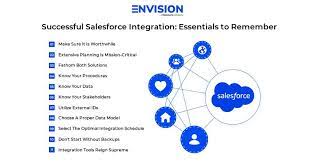
Transforming Retail Media: Personalization and Faster Monetization with Smarter Media Dentsu, a leading growth and transformation partner, has announced a strategic collaboration with Salesforce, the world’s #1 AI-powered CRM, to launch Smarter Media—an innovative solution designed to accelerate retail media monetization through personalized buying experiences powered by AI. Why Smarter Media Matters With shifting consumer priorities, personalized retail experiences are more critical than ever. Salesforce research highlights that: Smarter Media addresses this growing demand by enabling retailers to quickly adapt, offering tailored buying experiences that strengthen customer loyalty while driving revenue. What is Smarter Media? Smarter Media combines the power of Salesforce’s ecosystem—including Media Cloud, Sales Cloud, and Marketing Cloud Engagement—to deliver an end-to-end retail media solution. The platform assesses a brand’s retail media maturity, identifies gaps, and creates a roadmap to optimize media, technology, and skills. The solution simplifies access to advanced media technology, empowering brands to connect with customers 24/7, expand their customer base, and nurture long-term relationships. Key Features and Benefits 1. Comprehensive Assessment 2. AI-Powered Personalization 3. Built for Retail Media Success 4. Quick and Easy Adoption How Smarter Media Works Smarter Media combines Salesforce Sales Cloud’s leading sales and pipeline management tools with Media Cloud’s Advertising Sales Management application. The result is a solution that seamlessly supports both simple and complex retailer models: Real-World Value Across Retail By addressing challenges like fragmented media strategies and inaccessible technology, Smarter Media delivers transformative value for retailers: Driving Innovation Together Paul Lynch, Integrated Solutions Lead for Commerce and Retail at Dentsu UK&I, shared: “Smarter Media will democratize cutting-edge technology for brands by providing a one-stop solution to create personalized buying experiences. In today’s experience economy, maintaining compelling customer relationships has never been more vital.” Christopher Dean, SVP and GM for Communications, Media & Entertainment at Salesforce, added: “By combining Salesforce Media Cloud’s industry-specific solutions with Dentsu’s creative retail media expertise, we’re making advanced media technology accessible for retailers, helping them thrive in a competitive market.” The Future of Retail Media Smarter Media from Dentsu and Salesforce offers a transformative approach to retail media, empowering brands to deliver personalized experiences, improve customer loyalty, and accelerate revenue growth—all while leveraging cutting-edge AI and automation. With its ability to deliver value in just six months, Smarter Media is the ultimate solution for retailers looking to succeed in today’s fast-paced, customer-centric market. Like Related Posts Who is Salesforce? Who is Salesforce? Here is their story in their own words. From our inception, we’ve proudly embraced the identity of Read more Salesforce Marketing Cloud Transactional Emails Salesforce Marketing Cloud Transactional Emails are immediate, automated, non-promotional messages crucial to business operations and customer satisfaction, such as order Read more Salesforce Unites Einstein Analytics with Financial CRM Salesforce has unveiled a comprehensive analytics solution tailored for wealth managers, home office professionals, and retail bankers, merging its Financial Read more AI-Driven Propensity Scores AI plays a crucial role in propensity score estimation as it can discern underlying patterns between treatments and confounding variables Read more
Read More
AI Powered Education Cloud

AI Powered Education Cloud

Salesforce Unveils New AI-Powered Features for Education Cloud Salesforce recently announced a suite of new features for its Education Cloud platform designed to simplify tasks for educators and students. AI Powered Education Cloud is here. These features range from student-focused tools, such as helping students stay on track with their degree requirements, to admin-focused capabilities like standardizing an institution’s entire student data corpus. New AI Capabilities Available in June Features Coming in October Enhancing Education with AI Salesforce positions these new features as tools to alleviate teacher burnout and enhance student career prospects. “With industry-specific AI and data tools, Education Cloud will help K-12 and higher ed institutions provide more individualized support for every student while increasing efficiency and helping to reduce staff burnout,” said Salesforce Vice President Bala Subramanian in a prepared statement. “This will free educators and staff to focus on improving student outcomes like career readiness, well-being, and graduation rates.” Like1 Related Posts Who is Salesforce? Who is Salesforce? Here is their story in their own words. From our inception, we’ve proudly embraced the identity of Read more Salesforce Marketing Cloud Transactional Emails Salesforce Marketing Cloud Transactional Emails are immediate, automated, non-promotional messages crucial to business operations and customer satisfaction, such as order Read more Salesforce Unites Einstein Analytics with Financial CRM Salesforce has unveiled a comprehensive analytics solution tailored for wealth managers, home office professionals, and retail bankers, merging its Financial Read more AI-Driven Propensity Scores AI plays a crucial role in propensity score estimation as it can discern underlying patterns between treatments and confounding variables Read more

Read More
The Autonomous Customer Service Revolution

The Autonomous Customer Service Revolution

The Autonomous Customer Service Revolution: Strategies for Future-Ready Businesses The New Era of Customer Experience Today’s consumers demand instant, personalized service across all channels – a standard that 88% say directly influences their repurchase decisions. Autonomous customer service, powered by cutting-edge AI, is emerging as the transformative solution to meet these expectations while driving operational efficiency. Defining Autonomous Customer Service Unlike traditional AI-assisted service, autonomous systems leverage: “Digital agents represent a quantum leap beyond conventional self-service,” explains Yacov Salomon, SVP of Engineering for Service Cloud. “We’re witnessing a fundamental transformation in how businesses engage customers.” How Autonomous Systems Operate The Human-AI Collaboration Model Contrary to replacement fears, autonomous AI enhances human roles by: “These systems excel at specific tasks with machine precision,” notes Salomon, “while enabling human agents to focus on creative problem-solving and emotional intelligence.” Strategic Advantages Benefit Impact 24/7 Global Availability 40% reduction in after-hours support costs Instant Resolution 3-5x faster response times Personalized Engagement 25% increase in CSAT scores Operational Scalability 10x inquiry capacity without added staff Predictive Insights 15-30% improvement in first-contact resolution Implementation Roadmap Service Cloud: The Autonomous Advantage Salesforce’s AI-powered solution delivers: Einstein Copilot for Service Trusted AI Infrastructure The Next Frontier Emerging innovations will bring: “Customer service is becoming the new growth engine,” predicts Salomon. “Autonomous AI creates revenue opportunities while delivering exceptional experiences at scale.” Getting Started Businesses can immediately: The autonomous revolution isn’t coming—it’s here. Organizations that strategically implement these solutions today will define the customer experience standards of tomorrow. Like Related Posts Who is Salesforce? Who is Salesforce? Here is their story in their own words. From our inception, we’ve proudly embraced the identity of Read more Salesforce Marketing Cloud Transactional Emails Salesforce Marketing Cloud Transactional Emails are immediate, automated, non-promotional messages crucial to business operations and customer satisfaction, such as order Read more Salesforce Unites Einstein Analytics with Financial CRM Salesforce has unveiled a comprehensive analytics solution tailored for wealth managers, home office professionals, and retail bankers, merging its Financial Read more AI-Driven Propensity Scores AI plays a crucial role in propensity score estimation as it can discern underlying patterns between treatments and confounding variables Read more
Read More
Education Cloud AI Innovations

Education Cloud AI Innovations

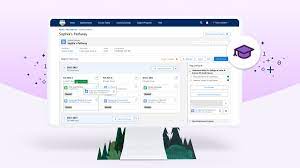
Salesforce AI Innovations: Empowering Student Success and Faculty Efficiency Salesforce is introducing new Education Cloud AI Innovations, AI-powered tools designed to streamline the educational journey, enabling students to chart clear paths to graduation, translate their coursework into resume-ready skills, and connect with mentors who can guide them toward their career goals. Enhancing Faculty and Staff Efficiency with AI New generative AI capabilities are set to automate time-consuming tasks for faculty and staff, allowing them to focus on what matters most—driving student success. Personalizing Student Experiences with AI Institutions like the University of Nevada Las Vegas and Texas Tech are leveraging Salesforce for Education to create personalized student experiences and improve staff efficiency through AI-driven solutions. Salesforce Introduces AI-Powered Student Success Tools for Education Cloud Today, Salesforce unveiled cutting-edge AI tools for Education Cloud, including Intelligent Degree Planning and Skills Generator. These innovations are designed to help institutions craft personalized graduation pathways, translate coursework into tangible skills, and facilitate impactful mentorship programs. Additionally, Salesforce introduced Data Cloud for Education and Einstein Copilot Recruitment & Admissions Actions. These tools will enable institutions to automate routine tasks, enhance recruitment and enrollment processes, and bolster student support. Why It Matters Education professionals face the highest burnout rates across industries, and students are feeling the impact—only 11% of college students believe they are workforce-ready. As the education sector approaches an enrollment cliff, confidence in the value of a college degree is declining, and educators are leaving the profession in significant numbers. Schools must find ways to reduce staff workload while improving student experiences and outcomes. Explore Education Cloud Elevate the educational experience with the #1 AI CRM for learner and institution success. DIVE IN AI Innovation for Lifelong Student Success The new AI capabilities for Education Cloud, built on Salesforce’s Einstein 1 Platform, will help higher education and K-12 institutions unlock the power of their data to deliver trusted AI solutions. These innovations are designed to improve staff efficiency while enhancing student experiences and learning outcomes. Key features include: AI in Action for Faculty and Staff Salesforce is delivering new AI and data tools to automate tasks related to recruitment, enrollment, and student experience management. New features include: With these industry-specific AI and data tools, Education Cloud is poised to help K-12 and higher education institutions offer more individualized support to every student while increasing operational efficiency and reducing staff burnout. The Salesforce Perspective “Every institution wants to provide the best possible experiences for their students and staff. With industry-specific AI and data tools, Education Cloud will help K-12 and higher ed institutions offer more personalized support to every student while increasing efficiency and helping to reduce staff burnout. This will free educators and staff to focus on improving student outcomes, such as career readiness, well-being, and graduation rates.”— Bala Subramanian, VP & GM of Education Like Related Posts Who is Salesforce? Who is Salesforce? Here is their story in their own words. From our inception, we’ve proudly embraced the identity of Read more Salesforce Marketing Cloud Transactional Emails Salesforce Marketing Cloud Transactional Emails are immediate, automated, non-promotional messages crucial to business operations and customer satisfaction, such as order Read more Salesforce Unites Einstein Analytics with Financial CRM Salesforce has unveiled a comprehensive analytics solution tailored for wealth managers, home office professionals, and retail bankers, merging its Financial Read more AI-Driven Propensity Scores AI plays a crucial role in propensity score estimation as it can discern underlying patterns between treatments and confounding variables Read more
Read More
gettectonic.com