
SSL Archives - gettectonic.com - Page 22
Einstein Trust Layer explained

Einstein Trust Layer Explained

The Einstein Trust Layer, seamlessly integrated into the Salesforce Platform, serves as a secure AI architecture designed to meet enterprise security standards. This foundational layer prioritizes stringent security measures, allowing teams to harness the power of generative AI without compromising customer data. Simultaneously, it empowers companies to make the most of their trusted data, thereby enhancing the precision of generative AI responses. Key features of the Einstein Trust Layer include: Integrated and Grounded: An inherent component of every Einstein Copilot, the Trust Layer ensures that generative prompts are firmly rooted and enriched in trusted company data. Its integration with Salesforce Data Cloud establishes a seamless connection, reinforcing the reliability and relevance of generative responses. Zero-Data Retention and PII Protection: Companies can trust that their data will never be retained by third-party Large Language Model (LLM) providers. The Trust Layer incorporates masking techniques for personally identifiable information (PII), ensuring an added layer of data privacy. Toxicity Awareness and Compliance-Ready AI Monitoring: A dedicated safety-detector LLM within the Trust Layer acts as a guard against toxicity, assessing risks to brand reputation by scoring AI generations. This scoring mechanism instills confidence in the safety of responses. Moreover, each AI interaction is meticulously recorded in a secure, monitored audit trail, providing companies with visibility and control over how their data is utilized and ensuring compliance readiness. In alignment with Microsoft’s introduction of Copilot solutions powered by generative AI, Salesforce is leveraging the capabilities of Large Language Models (LLMs) to empower professionals in sales, marketing, and customer service. Building on Salesforce’s existing suite of Einstein AI features, the company unveiled “Einstein 1” this year—a next-generation suite of tools empowering users to seamlessly integrate AI into their everyday workflows. At the core of this advancement is the Einstein Copilot solution, complemented by the new Copilot studio and the Einstein Trust Layer. Like2 Related Posts Who is Salesforce? Who is Salesforce? Here is their story in their own words. From our inception, we’ve proudly embraced the identity of Read more Salesforce Marketing Cloud Transactional Emails Salesforce Marketing Cloud Transactional Emails are immediate, automated, non-promotional messages crucial to business operations and customer satisfaction, such as order Read more Salesforce Unites Einstein Analytics with Financial CRM Salesforce has unveiled a comprehensive analytics solution tailored for wealth managers, home office professionals, and retail bankers, merging its Financial Read more AI-Driven Propensity Scores AI plays a crucial role in propensity score estimation as it can discern underlying patterns between treatments and confounding variables Read more


Read More
Tectonic at a Glance

AI Product Management Tools

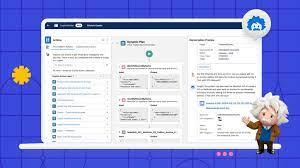
Embracing AI in Product Management: Your New Best Friend, Not a Replacement-Original published by https://zedaio.medium.com/ Amid the lively debates about AI taking over product management roles, let’s set the record straight: AI is here as an ally, not a replacement. It’s about leveraging AI to amplify our capabilities, streamline mundane tasks, and make room for the creative and strategic aspects of product management. AI Product Management Tools. Here are seven AI tools that will automate your daily routines, offering support that transforms the way you manage products. Ready to upgrade your product management game with AI by your side? Let’s dive in! 1. Zeda.io Zeda.io is one of the best AI tools for product managers. It offers a complete suite of features that help you in feedback management, strategic planning, and closing the loop. It is a perfect tool if you are striving to balance your customer needs and business goals. With integrations like Slack, Gong, Teams, Salesforce, and more, you can gather and manage customer feedback effortlessly. Its unique AI technology generates valuable, actionable insights by categorizing all the feedback, helping you uncover pressing customer issues and decide what to build next. Key Features: 2. ChatGPT An obvious choice, ChatGPT can automate many of your tasks. It helps make sense of vague product user feedback, create PRDs, release notes, and other documents. The key is to use the right prompts and GPT plugins tailored for product managers. Key Features: 3. Notion AI Notion is a cloud-based productivity and collaboration tool that provides various organizational tools, including task management, project tracking, to-do lists, bookmarking, and more. Notion’s AI can assist product managers in several ways. Key Features: 4. Uizard Uizard is a user interface design tool that uses AI to quickly and efficiently create wireframes, mockups, and prototypes in minutes. The tool’s advanced deep-learning algorithms analyze images provided by product teams and managers to create design themes. Key Features: 5. ClickUp ClickUp is a cloud-based tool that helps teams manage their work effectively, offering features like task management, time tracking, file sharing, and communication tools. ClickUp is highly customizable and offers multiple AI tools that integrate seamlessly into workflows. Key Features: 6. Delibr Delibr is an excellent tool for AI product teams to collaborate effectively during the feature refinement process. It helps capture, synthesize, and organize feedback from diverse sources, enabling informed decision-making and creating high-quality documentation. Key Features: 7. Fireflies.ai Fireflies.ai enhances meeting productivity by transcribing, summarizing, and analyzing voice conversations. It integrates with major video-conferencing platforms and offers various ways to capture meetings, including a Chrome extension and direct uploads. Key Features: AI Product Management Tools Embracing AI in product management doesn’t mean diminishing the value of human insight; it’s about enhancing our capabilities and efficiency. The seven AI tools outlined here offer a glimpse into a future where technology and creativity intersect, empowering product managers to achieve more in less time. By integrating suitable tools into your workflow, you can focus on innovation and strategy, ensuring your products not only meet but exceed user expectations. Let AI be your ally to achieve greater heights and product success. Like Related Posts Who is Salesforce? Who is Salesforce? Here is their story in their own words. From our inception, we’ve proudly embraced the identity of Read more Salesforce Marketing Cloud Transactional Emails Salesforce Marketing Cloud Transactional Emails are immediate, automated, non-promotional messages crucial to business operations and customer satisfaction, such as order Read more Salesforce Unites Einstein Analytics with Financial CRM Salesforce has unveiled a comprehensive analytics solution tailored for wealth managers, home office professionals, and retail bankers, merging its Financial Read more AI-Driven Propensity Scores AI plays a crucial role in propensity score estimation as it can discern underlying patterns between treatments and confounding variables Read more
Read More
demand generation web use cases for personalization

Demand Generation Web Use Cases for Personalization

Utilize effective personalization techniques adopted by businesses in online campaigns to stimulate demand generation. The term “demand generation” has somewhat faded from the marketing lexicon due to the emphasis on analytics, AI, and metrics for lead conversion. However, where does personalization fit into the broader scope of demand generation? Demand generation web use cases for personalization. Personalization plays a pivotal role in various aspects of demand generation: In lead nurturing, personalization is equally vital: Moreover, personalization is instrumental in lead acquisition efforts by delivering relevant experiences to all of your prospects. To effectively implement personalization, real-time insights into individual behaviors and interactions are essential. A comprehensive personalization solution should unify data from various channels and systems, enabling seamless cross-channel personalization. This includes “stitching” together anonymous and known user profiles, integrating data with complementary systems like CRMs and marketing platforms, and facilitating real-time omni-channel personalization. The key to successful personalization lies in understanding and addressing each individual’s unique needs and preferences. By adopting a customer-centric approach and setting clear objectives aligned with business goals, organizations can leverage personalization to enhance customer experiences, boost conversion rates, and drive measurable business growth. To execute a successful personalization strategy, organizations must: By following these steps and continuously optimizing personalization efforts, organizations can build stronger customer relationships, drive business growth, and maximize marketing ROI. Website personalization serves as the starting point for many companies embarking on their personalization journey. This entails ensuring that returning visitors encounter pages tailored to their previous experiences or recent purchases. It can also involve presenting new customers with product recommendations based on their current browsing session. The return on this initial investment can be substantial, with many companies witnessing a significant increase in conversion rates, sometimes by as much as 50% or more. For instance, a site converting 2% of visitors might see that figure rise to 3%, a dream scenario for digital marketers. Moreover, this boost in conversion rates can have far-reaching effects across marketing programs, leading to a reduction in overall customer acquisition costs. Tectonic now offers Personalization Implementation Solutions. The next stage in personalization maturity involves integrating a customer’s web and email experiences. This seamless connection between two major channels for customer engagement brings organizations closer to achieving an omni-channel personalization experience. Timely and relevant follow-up messages after a customer’s website visit or purchase can deepen relationships and enhance lifetime value without significant additional marketing expenditure. Finally, the ultimate goal is to extend personalization across all channels, ensuring consistent and tailored experiences wherever customers interact with your brand. However, achieving this can be challenging due to fragmented customer data across multiple channels, teams, and systems. An effective personalization solution should consolidate and synthesize this cross-channel information by maintaining unified customer profiles and enabling real-time omni-channel personalization. Testing is a crucial aspect of successful personalization efforts, allowing organizations to optimize campaigns and maximize engagement, conversions, and revenue. A robust personalization solution should facilitate A/B testing, measuring lift over control, evaluating impacts against specific goals, and filtering results by segment. Effective website personalization lays the foundation for broader personalization efforts across channels. By seamlessly integrating web and email experiences and extending personalization to all touchpoints, organizations can deliver tailored experiences that drive engagement, loyalty, and ultimately, business growth. By Tectonic’s Salesforce Marketing Platform Architect Shannan Hearne Like1 Related Posts Who is Salesforce? Who is Salesforce? Here is their story in their own words. From our inception, we’ve proudly embraced the identity of Read more Salesforce Marketing Cloud Transactional Emails Salesforce Marketing Cloud Transactional Emails are immediate, automated, non-promotional messages crucial to business operations and customer satisfaction, such as order Read more Salesforce Unites Einstein Analytics with Financial CRM Salesforce has unveiled a comprehensive analytics solution tailored for wealth managers, home office professionals, and retail bankers, merging its Financial Read more AI-Driven Propensity Scores AI plays a crucial role in propensity score estimation as it can discern underlying patterns between treatments and confounding variables Read more

Read More
Einstein Copilot Studio

Einstein Copilot Studio Explained

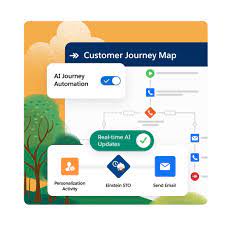
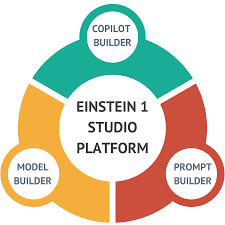
Einstein Copilot Studio Explained: Crafting and Personalizing a Reliable AI Assistant Enterprises aiming to personalize Einstein Copilot can leverage the newly introduced Einstein Copilot Studio. This platform enables the construction and customization of AI assistants, incorporating pertinent prompts, skills, and AI models tailored for specific sales, service, marketing, commerce, and IT tasks. Beyond the confines of Salesforce applications, companies can seamlessly integrate Einstein Copilot into consumer-facing channels. This extension enhances customer interactions by embedding AI assistants into websites for real-time chat capabilities or integrating with popular messaging platforms such as Slack, WhatsApp, or SMS. Einstein Copilot Studio comprises the following key components: Just as Microsoft has introduced its own Copilot solutions, powered by generative AI, Salesforce is tapping into the power of LLMs to empower sales, marketing, and customer service professionals. Building on Salesforce’s existing range of Einstein AI features, the company announced “Einstein 1” this year – the next generation of the Salesforce platform. Einstein 1 is a comprehensive suite of tools that empowers users to bring AI into their everyday workflows. The Einstein Copilot (Salesforce Copilot) solution is at the core of this solution, alongside the new Copilot studio and the Einstein Trust Layer. Contact Tectonic today to explore the value of Einstein Copilot Studio for your company., Like2 Related Posts Who is Salesforce? Who is Salesforce? Here is their story in their own words. From our inception, we’ve proudly embraced the identity of Read more Salesforce Marketing Cloud Transactional Emails Salesforce Marketing Cloud Transactional Emails are immediate, automated, non-promotional messages crucial to business operations and customer satisfaction, such as order Read more Salesforce Unites Einstein Analytics with Financial CRM Salesforce has unveiled a comprehensive analytics solution tailored for wealth managers, home office professionals, and retail bankers, merging its Financial Read more AI-Driven Propensity Scores AI plays a crucial role in propensity score estimation as it can discern underlying patterns between treatments and confounding variables Read more
Read More
Sales Cloud Innovation Driven by UX Design Principles

Sales Cloud Innovation Driven by UX Design Principles

Driving Sales Cloud Innovation Through UX Design Principles: Sales Cloud Innovation Driven by UX Design Principles Enhancing user experiences and driving innovation within Sales Cloud relies on the fundamental principles of UX design. The core philosophy revolves around understanding users’ needs and ensuring simplicity as the default, allowing for increased trust and success. Here’s how three foundational UX design principles guide the product design team at Salesforce: UX Design in Action: The principles of meeting users where they’re at, maintaining low walls and high ceilings, and favoring simplicity are integral to Sales Cloud’s UX design philosophy. By adhering to these principles, Sales Cloud strives to build confidence among users, fostering a collaborative approach to developing innovative and user-friendly products.  Sales Cloud administrators need to operate with the same thought process. Tectonic is proud to introduce our Sales Cloud Implementation Solutions. Content updated May 2024. Like1 Related Posts Who is Salesforce? Who is Salesforce? Here is their story in their own words. From our inception, we’ve proudly embraced the identity of Read more Salesforce Marketing Cloud Transactional Emails Salesforce Marketing Cloud Transactional Emails are immediate, automated, non-promotional messages crucial to business operations and customer satisfaction, such as order Read more Salesforce Unites Einstein Analytics with Financial CRM Salesforce has unveiled a comprehensive analytics solution tailored for wealth managers, home office professionals, and retail bankers, merging its Financial Read more AI-Driven Propensity Scores AI plays a crucial role in propensity score estimation as it can discern underlying patterns between treatments and confounding variables Read more

Read More
Personalization With Customized AI-Driven Journeys

Personalization With Customized AI-Driven Journeys

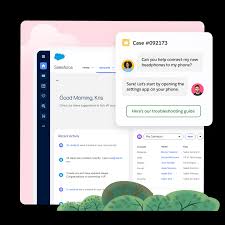
AI-Enabled Triggers for Guiding Customer Journeys – Personalization With Customized AI-Driven Journeys Initiate timely and relevant customer experiences that seamlessly lead individuals through their purchasing journey. Employ AI-powered decision-making to identify the most suitable next steps for customers, offering personalized suggestions based on real-time behavior, historical data, and business-specific datasets such as pricing and inventory. Deliver predefined experiences, such as browsing or cart abandonment journeys, while utilizing real-time interactions to determine the optimal content, channel, or offer for each customer. Efficiently extract insights by harnessing behavioral data and advanced analytics to visualize cross-channel customer journeys for both individuals and segments, identifying and resolving key friction points. Elevate customer acquisition, loyalty, and lifetime value by crafting personalized, omni-channel journeys that align with both customer desires and business objectives. Enable trigger-based customer journeys that facilitate immediate responses to customer actions, whether in the physical realm, such as entering a store and connecting to Wi-Fi, or in the virtual space, like visiting a shopping website. The Role of AI in Elevating the Customer Journey AI significantly contributes to heightened customer satisfaction, ultimately leading to improved retention. Address customer pain points in their preferred language and provide solutions tailored to their needs based on purchasing history and previous interactions with customer service. AI’s Influence Across Customer Journey Stages At each stage of the customer journey, AI transforms experiences by delivering personalized interactions from awareness to post-purchase. This transformation is made possible through automation, predictive analytics, and intelligent virtual agents. Transformative Impact of Generative AI on Customer Journeys Generative AI, exemplified by advanced language models like GPT-4, has the potential to revolutionize customer journeys. These models automate communication and content creation, dynamically adjusting tone and style to match customer preferences. For instance, Grammarly’s tone detector adapts communication based on the recipient’s profile and interaction history. Continuous Iteration and AI in Customer Journey Mapping In the era of digitization, AI-driven personalization surpasses traditional customer journey mapping based on a few personas. Organizations must harness AI and machine learning to create personalized journeys that enhance user experiences. The iterative improvement process involves collecting comprehensive data, utilizing AI for analysis and insights, implementing changes, and evaluating results through key performance indicators. Netflix: An AI Success Story Netflix serves as a prime example of AI success, continuously analyzing user behavior and preferences to refine content recommendation algorithms. This approach enhances personalization, leading to increased customer engagement and satisfaction. Integrating Generative AI into Existing Systems To fully capitalize on generative AI, integration into existing systems and processes is crucial. This may entail developing APIs to connect AI tools with customer relationship management (CRM) systems and content management systems. Testing and Continuous Enhancement Implementing AI-driven personalization necessitates a robust testing and evaluation process. Clearly defined key performance indicators and analytics capabilities are essential for measuring effectiveness and making continuous improvements. Like2 Related Posts Who is Salesforce? Who is Salesforce? Here is their story in their own words. From our inception, we’ve proudly embraced the identity of Read more Salesforce Marketing Cloud Transactional Emails Salesforce Marketing Cloud Transactional Emails are immediate, automated, non-promotional messages crucial to business operations and customer satisfaction, such as order Read more Salesforce Unites Einstein Analytics with Financial CRM Salesforce has unveiled a comprehensive analytics solution tailored for wealth managers, home office professionals, and retail bankers, merging its Financial Read more AI-Driven Propensity Scores AI plays a crucial role in propensity score estimation as it can discern underlying patterns between treatments and confounding variables Read more
Read More
Virtual Event Management Plan

Virtual Event Management Plan

Have You Recently Attended an Information-Packed Webinar? Think back to your experience: from how you first learned about the event to its promotion and eventual execution. It might seem like organizing a webinar is straightforward, but… Virtual event management requires meticulous planning, from the initial concept and promotion to post-event tasks. Read on to discover how you can plan your online events in Salesforce with ease and what you’ll need for success. What is Virtual Event Management Plan in Salesforce? Virtual event management encompasses all the activities needed to ensure your online event runs smoothly. It’s how you prepare to share your insights—or those of other experts—virtually. Why plan your events in Salesforce? All your data stays integrated within your CRM, allowing you to manage every aspect of your event, from registration and ticketing to marketing and attendee engagement, without the hassle of multiple tools or disorganized planning. Types of Virtual Event Management Plans in Salesforce Choosing the right virtual event format can be overwhelming, but here are some common options: How to Plan Virtual Events in Salesforce: A 4-Step Guide 1. Create a Virtual Event Concept When planning a virtual event, don’t treat it like an in-person one. Virtual events require their own set of strategies. Start by answering these questions: Remember, seasonal holidays or other events can impact attendance. Avoid scheduling events during low-attendance periods, like the summer or late December. 2. Select an Event Management Tool You need the right technology to manage online events effectively. Salesforce offers robust functionality for this. When selecting a tool for Salesforce event management, look for these features: 3. Outline Content and Strategy Crafting a virtual event that resonates with your audience requires more than just setting a date and topic. You need a compelling content strategy. Here’s how to make it work: 4. Design an Event Microsite Like in-person events, virtual ones benefit from a dedicated event page or microsite. On your Salesforce Experience Cloud site, you can: The Ultimate Virtual Events Checklist Final Thoughts Virtual event management isn’t daunting if approached wisely. With a clear plan, engaging content, and the right tools, success is within reach. Follow these steps, and your next virtual event will be a breeze. Like Related Posts Who is Salesforce? Who is Salesforce? Here is their story in their own words. From our inception, we’ve proudly embraced the identity of Read more Salesforce Marketing Cloud Transactional Emails Salesforce Marketing Cloud Transactional Emails are immediate, automated, non-promotional messages crucial to business operations and customer satisfaction, such as order Read more Salesforce Unites Einstein Analytics with Financial CRM Salesforce has unveiled a comprehensive analytics solution tailored for wealth managers, home office professionals, and retail bankers, merging its Financial Read more AI-Driven Propensity Scores AI plays a crucial role in propensity score estimation as it can discern underlying patterns between treatments and confounding variables Read more

Read More
Salesforce Pro Suite

Salesforce Pro Suite

Revolutionizing CRM: Introducing Salesforce Pro Suite In today’s dynamic business technology landscape, Salesforce has established itself as a leader in customer relationship management (CRM) solutions. The launch of Salesforce Pro Suite marks a significant milestone in their mission to empower businesses with cutting-edge tools designed to optimize operations, enhance customer engagement, and drive growth. This article explores the features, benefits, and potential of Salesforce Pro Suite, showcasing why it stands out as a transformative solution for businesses of all sizes. What is Salesforce Pro Suite? Salesforce Pro Suite is a comprehensive collection of integrated tools and services designed to augment the capabilities of Salesforce’s CRM platform. Tailored for modern businesses—from startups to large enterprises—it incorporates advanced functionalities such as artificial intelligence (AI), automation, and data analytics to boost productivity, foster collaboration, and facilitate informed decision-making. Unlock growth and deepen customer relationships with Pro Suite—the all-in-one CRM suite with marketing, sales, service, and commerce tools that scale with your business. Get the flexibility to automate tasks and customize your CRM to fit your specific needs with Pro Suite. Key Features of Salesforce Pro Suite Benefits of Salesforce Pro Suite Use Cases of Salesforce Pro Suite What Can You Do with Pro Suite? Conclusion Salesforce Pro Suite represents a significant advancement in CRM technology, offering a comprehensive suite of tools that cater to the diverse needs of modern businesses. By harnessing AI, automation, and advanced analytics, Pro Suite empowers organizations to optimize operations, enhance customer engagement, and make informed, data-driven decisions. Whether you’re a small startup or a large enterprise, Salesforce Pro Suite provides the scalability, flexibility, and security required to thrive in today’s competitive landscape. Like Related Posts Who is Salesforce? Who is Salesforce? Here is their story in their own words. From our inception, we’ve proudly embraced the identity of Read more Salesforce Marketing Cloud Transactional Emails Salesforce Marketing Cloud Transactional Emails are immediate, automated, non-promotional messages crucial to business operations and customer satisfaction, such as order Read more Salesforce Unites Einstein Analytics with Financial CRM Salesforce has unveiled a comprehensive analytics solution tailored for wealth managers, home office professionals, and retail bankers, merging its Financial Read more AI-Driven Propensity Scores AI plays a crucial role in propensity score estimation as it can discern underlying patterns between treatments and confounding variables Read more

Read More

Salesforce Unveils Einstein Copilot

Salesforce Unveils Einstein Copilot: A New Era in AI-Powered CRM Salesforce, the world’s leading customer relationship management (CRM) platform, has introduced Einstein Copilot, an advanced AI-powered assistant designed to revolutionize business interactions with CRM systems. Seamlessly integrated within Salesforce’s ecosystem, including Data Cloud, Einstein Copilot automates complex workflows, enhances operational efficiency, and delivers highly personalized customer insights. By leveraging AI, it empowers sales, marketing, and customer service teams while ensuring compliance with data privacy and governance standards. The Challenge: Enhancing CRM Efficiency with AI As customer relationships became more intricate, businesses sought a CRM solution that could: Salesforce responded by integrating cutting-edge AI capabilities into its CRM platform, ensuring a seamless, secure, and intelligent customer experience. The Einstein Copilot Solution Salesforce has embedded Einstein Copilot across its CRM applications, transforming customer relationships through AI-driven automation. By harnessing Data Cloud, Einstein Copilot accesses unified, reliable data to generate real-time insights, helping businesses make smarter decisions and enhance customer interactions. With customization tools like Copilot Builder, Prompt Builder, Skill Builder, and Model Builder, businesses can tailor Einstein Copilot to meet their unique needs. Integration with Salesforce extensions and external APIs further optimizes workflows, automating tasks and streamlining operations. Key Features of Einstein Copilot Results: Transforming CRM with AI Since its launch, Einstein Copilot has significantly improved customer satisfaction and operational productivity by: Challenges & Considerations Despite its success, deploying Einstein Copilot presented some challenges, including: The Future of Einstein Copilot Salesforce is committed to expanding Einstein Copilot’s capabilities, focusing on: Salesforce envisions Einstein Copilot setting a new benchmark in AI-driven CRM, enabling businesses to foster stronger customer relationships, drive growth, and streamline operations. About Salesforce Salesforce is the world’s leading CRM platform, empowering businesses with innovative solutions that blend cloud computing, artificial intelligence, and big data analytics. Since its founding in 1999, Salesforce has been at the forefront of digital transformation, helping organizations optimize operations and elevate customer engagement. Conclusion Einstein Copilot marks a transformative shift in CRM, leveraging AI to enhance efficiency, automate workflows, and deliver superior customer experiences. With AI-driven automation and intelligent decision-making, businesses can now focus on building long-lasting customer relationships that drive loyalty and success. Einstein Copilot is now Agentforce. Content updated January 2025. Like Related Posts Who is Salesforce? Who is Salesforce? Here is their story in their own words. From our inception, we’ve proudly embraced the identity of Read more Salesforce Marketing Cloud Transactional Emails Salesforce Marketing Cloud Transactional Emails are immediate, automated, non-promotional messages crucial to business operations and customer satisfaction, such as order Read more Salesforce Unites Einstein Analytics with Financial CRM Salesforce has unveiled a comprehensive analytics solution tailored for wealth managers, home office professionals, and retail bankers, merging its Financial Read more AI-Driven Propensity Scores AI plays a crucial role in propensity score estimation as it can discern underlying patterns between treatments and confounding variables Read more

Read More
What is GovSlack

What is GovSlack?

GovSlack: Streamlined, Secure Collaboration for Government GovSlack brings together your team, tools, and partners into one secure platform, specifically designed to meet government regulations for processing and storing sensitive data. By integrating GovSlack, organizations can eliminate internal and external communication silos while empowering employees with the flexibility to excel in their roles. What is GovSlack?GovSlack is a tailored version of Slack that allows agencies, contractors, citizens, and partners to collaborate in a centralized, secure workspace. It complies with the strictest security and operational standards required by public sector clients. Is Slack FedRAMP approved?Yes, Slack holds FedRAMP Moderate authorization to meet public sector compliance needs. GovSlack goes further, earning FedRAMP JAB High authorization and is actively pursuing DoD CC SRG IL4 compliance to cater to defense sector clients. Does the federal government use Slack?Security is crucial for public sector agencies and their partners. Federal agencies trust Slack as their secure digital HQ, helping teams from the U.S. Department of Veterans Affairs to the GSA’s 18F office enhance collaboration while meeting stringent data privacy requirements. GovSlack Key FeaturesGovSlack, launched in July 2022 after extensive testing and feedback from government clients, offers several features to ensure secure and compliant collaboration: GovSlack integrates seamlessly with other government-specific tools such as Salesforce Government Cloud Plus, creating a powerful CRM and collaboration ecosystem to accelerate agency goals and improve constituent services. Case Study: Army Software Factory (SWF)The Army SWF, using agile methods to upskill soldiers and develop cutting-edge digital solutions, required a flexible and secure collaboration platform. By adopting GovSlack, they fostered improved collaboration without compromising compliance with stringent DoD policies. Partner IntegrationsLeading companies such as Lockheed Martin and Box are leveraging GovSlack to streamline collaboration while maintaining compliance with federal regulations. For example, Lockheed Martin is using GovSlack to manage projects with government partners while ensuring sensitive data remains protected. ThoughtsGovSlack is built for secure, government-specific collaboration, providing agencies and their partners with the flexibility to work more effectively while meeting compliance needs. By integrating with key tools and offering enhanced security features, GovSlack supports the digital transformation efforts of public sector organizations across the globe. Like Related Posts Who is Salesforce? Who is Salesforce? Here is their story in their own words. From our inception, we’ve proudly embraced the identity of Read more Salesforce Marketing Cloud Transactional Emails Salesforce Marketing Cloud Transactional Emails are immediate, automated, non-promotional messages crucial to business operations and customer satisfaction, such as order Read more Salesforce Unites Einstein Analytics with Financial CRM Salesforce has unveiled a comprehensive analytics solution tailored for wealth managers, home office professionals, and retail bankers, merging its Financial Read more AI-Driven Propensity Scores AI plays a crucial role in propensity score estimation as it can discern underlying patterns between treatments and confounding variables Read more
Read More
Salesforce prompt builder

Create Test and Refine Prompt Templates With Prompt Builder

Salesforce has introduced Prompt Builder, a revolutionary tool powered by generative AI, designed to enhance business tasks by seamlessly integrating prompts into workflows. This article delves into the core AI concepts underlying Prompt Builder, offering insights into creating, managing, testing, and refining prompt templates for optimal performance. Before digging into the intricacies of this new innovation, let’s first explore what generative AI means for administrators. Create Test and Refine Prompt Templates With Prompt Builder. Understanding Key Terms: Key Features of Prompt Builder: Utilizing Prompt Templates: Testing and Refining Prompt Templates: Deploying Prompts: Designing Effective Prompt Templates: Embracing Generative AI with Prompt Builder: As Prompt Builder prepares for its general availability in Spring ’24, businesses can anticipate a paradigm shift in how they harness AI to propel their operations forward. Whether seasoned Salesforce Admins or newcomers to AI integration, Prompt Builder offers a gateway to unlocking the myriad possibilities of generative AI within Salesforce. Create Test and Refine Prompt Templates With Prompt Builder. Like1 Related Posts Who is Salesforce? Who is Salesforce? Here is their story in their own words. From our inception, we’ve proudly embraced the identity of Read more Salesforce Marketing Cloud Transactional Emails Salesforce Marketing Cloud Transactional Emails are immediate, automated, non-promotional messages crucial to business operations and customer satisfaction, such as order Read more Salesforce Unites Einstein Analytics with Financial CRM Salesforce has unveiled a comprehensive analytics solution tailored for wealth managers, home office professionals, and retail bankers, merging its Financial Read more AI-Driven Propensity Scores AI plays a crucial role in propensity score estimation as it can discern underlying patterns between treatments and confounding variables Read more

Read More
What is a Co-Marketing Cloud?

What is a Co-Marketing Cloud?

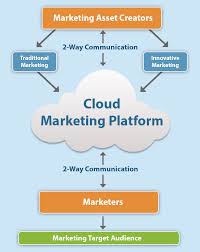
The Rise of Co-Marketing Clouds: Supercharging Partner Campaigns A co-marketing cloud is transforming how brands collaborate on marketing initiatives. This powerful platform serves as a centralized command center for managing joint campaigns with partners, enabling businesses to: Why Co-Marketing Clouds Are Game-Changers 🔹 Unified Campaign ManagementA single dashboard controls all co-marketing efforts—from content creation to performance tracking—eliminating chaotic email threads and spreadsheets. 🔹 Smart Data IntegrationThe platform automatically aggregates performance metrics across email, social, ads, and more, providing a holistic view of what’s working (and what’s not). 🔹 AI-Powered OptimizationAdvanced algorithms analyze campaign data to:✅ Recommend high-performing content variations✅ Identify ideal audience segments✅ Predict optimal send times and channels 🔹 Efficiency at ScaleAutomated workflows handle repetitive tasks like:• Partner approvals• Asset sharing• Compliance checks Real-World Example: SOCi’s Co-Marketing Solution Companies like SOCi specialize in co-marketing clouds for multi-location brands, helping them: The Bottom Line Co-marketing clouds turn partner collaborations from logistical nightmares into growth accelerators. By combining centralized control with AI-driven intelligence, these platforms help brands unlock the full potential of joint marketing—with less hassle and better results. “It’s like having a marketing co-pilot for every partnership initiative.” For businesses investing in partnership marketing, a co-marketing cloud isn’t just helpful—it’s becoming essential infrastructure. Like1 Related Posts Who is Salesforce? Who is Salesforce? Here is their story in their own words. From our inception, we’ve proudly embraced the identity of Read more Salesforce Marketing Cloud Transactional Emails Salesforce Marketing Cloud Transactional Emails are immediate, automated, non-promotional messages crucial to business operations and customer satisfaction, such as order Read more Salesforce Unites Einstein Analytics with Financial CRM Salesforce has unveiled a comprehensive analytics solution tailored for wealth managers, home office professionals, and retail bankers, merging its Financial Read more AI-Driven Propensity Scores AI plays a crucial role in propensity score estimation as it can discern underlying patterns between treatments and confounding variables Read more
Read More
Zapier for Salesforce

Salesforce and Zapier and Anything You Can Imagine

Zapier enables you to connect Salesforce with thousands of the most popular third-party apps, so you can automate your work and have more time for what matters most—no code required. Providing easy automation for busy Salesforce users. Zapier transfers info between your web apps automatically, so you can focus on your most important work. Zapier is “middleware” that sits between two other services. It allows software services to create Triggers and Actions. Each combination of a Trigger and an Action is called a Zap. Triggers are how your app’s users can start automated workflows whenever an item is added or updated in your app. There are two types of triggers in Zapier: Actions are how your app’s use the data. The action is the effect of the cause (trigger). What is the difference between actions and triggers in Zapier? Every Zap starts with a single trigger that watches for new or updated data, starting the user’s workflow. Action steps then make use of that data. Zapier actions create or update a single item in your app through API calls that include multiple details from user customized input fields. Is Zapier considered an API? Yes, Zapier is an API tool. Zapier is a web-based automation tool that allows you to connect and automate different web services and applications without the need for any coding. It uses APIs (Application Programming Interfaces) to communicate with the different services and applications that it connects to. About AI by Zapier Smart task and text handling powered by a flexible AI. Create text prompts to perform standard tasks like extracting lead (or other) data or answering discrete questions like “where should this message be routed?”. Or, create your own! What coding language does Zapier use? Zapier is a monolithic application built on Python and Django. There’s a lot of momentum with Python and it is very difficult changing course to another programming language while the service is running. Why is Zapier so popular? Zapier is a powerful tool for automating workflows and combining different business applications without requiring any additional coding skills. Is Zapier actually useful? Users have found that Zapier is a versatile automation tool that simplifies complex problems and enhances efficiency in various industries. With its easy-to-use interface, users can create automation workflows and connect different apps and platforms seamlessly. Around the world in 2024, over 9973 companies have started using Zapier as Integration tool. Netflix, Inc. PayPal Holdings, Inc. Trimble, Inc. If you need assistance connecting apps to Salesforce with Zapier, contact Tectonic today. Like Related Posts Who is Salesforce? Who is Salesforce? Here is their story in their own words. From our inception, we’ve proudly embraced the identity of Read more Salesforce Marketing Cloud Transactional Emails Salesforce Marketing Cloud Transactional Emails are immediate, automated, non-promotional messages crucial to business operations and customer satisfaction, such as order Read more Salesforce Unites Einstein Analytics with Financial CRM Salesforce has unveiled a comprehensive analytics solution tailored for wealth managers, home office professionals, and retail bankers, merging its Financial Read more AI-Driven Propensity Scores AI plays a crucial role in propensity score estimation as it can discern underlying patterns between treatments and confounding variables Read more
Read More
Salesforce Revenue Lifecycle Management

Salesforce Revenue Lifecycle Management

Seamless Revenue Lifecycle Management Powered by Salesforce Revenue Cloud Is your company struggling to manage complex revenue streams, manual billing processes, or compliance with ASC 606 and IFRS 15 standards? Tectonic specializes in implementing Salesforce Revenue Lifecycle Management solutions through Salesforce Revenue Cloud. We offer tailored strategies for mid-market and enterprise companies across industries like High Tech, SaaS, Manufacturing, Hospitality, and Life Sciences. Industries We Serve The Challenges You Face Managing complex revenue streams can be overwhelming without the right systems. If your business is facing challenges like: Tectonic’s Tailored Solutions – Salesforce Revenue Lifecycle Management We leverage Salesforce Revenue Cloud to automate and streamline your Salesforce Revenue Lifecycle Management, helping companies overcome these challenges with ease. Key Use Cases for Salesforce Revenue Lifecycle Management (RLM) Content updated September 2024. Like Related Posts Who is Salesforce? Who is Salesforce? Here is their story in their own words. From our inception, we’ve proudly embraced the identity of Read more Salesforce Marketing Cloud Transactional Emails Salesforce Marketing Cloud Transactional Emails are immediate, automated, non-promotional messages crucial to business operations and customer satisfaction, such as order Read more Salesforce Unites Einstein Analytics with Financial CRM Salesforce has unveiled a comprehensive analytics solution tailored for wealth managers, home office professionals, and retail bankers, merging its Financial Read more AI-Driven Propensity Scores AI plays a crucial role in propensity score estimation as it can discern underlying patterns between treatments and confounding variables Read more

Read More
Einstein 1 Unveiled

Salesforce Einstein 1 Platform

Welcome to the dawn of a bold new era in enterprise Artificial Intelligence, where the world demands a platform unlike any other. Enter Salesforce Einstein 1, the pinnacle of innovation, designed to navigate terabytes of disparate data seamlessly, offer freedom in AI model selection, and integrate directly into your workflow—all while upholding customer trust. Einstein 1 Platform serves as the nexus of your data, AI, CRM, development, and security needs, consolidating them into a singular, robust framework. This empowers IT, administrators, and developers alike with an adaptable AI platform, facilitating rapid development of transformative applications and automation. Within Einstein 1 lies an array of artificial intelligence tools, reflecting the modular architecture of the core Salesforce platform. From standardized to custom solutions, Einstein 1 caters to diverse needs. Examples include out-of-the-box AI features like sales email generation in Sales Cloud and service replies in Service Cloud. Since its unveiling as Genie, now Data Cloud, at Dreamforce ‘22, Salesforce has propelled this product to the forefront of its mission. The conversation has shifted from Customer 360 to encompass AI + CRM + Data—a strategic pivot poised for success in 2024 and beyond. But what does this transformation entail? Data Cloud has been a focal point of Salesforce’s narrative, hailed as a groundbreaking CDP innovation. The recent Q4 earnings call unveiled remarkable achievements: Gartner’s endorsement further solidifies Salesforce’s position, elevating it as a leader in the Magic Quadrant, surpassing rivals like Twilio and Adobe. This achievement is remarkable given Salesforce’s relatively recent CDP certification from the CDP Institute. However, understanding the significance of Data Cloud amidst a sea of CRM solutions may elude many. Yet, the resurgence of data underscores its importance. CRMs, while pivotal for sales, support, and marketing functions, fall short in managing the breadth of modern data collection, storage, and dissemination. Enter the CDP—a dedicated platform for aggregating customer data across every touchpoint throughout the customer lifecycle. Unlike CRMs, which traditionally served as the single source of truth, CDPs offer a comprehensive view, ingesting data from myriad sources. Two key attributes distinguish CDPs and Data Cloud: Yet, amidst this data revolution, the role of artificial intelligence cannot be understated. Einstein 1, formerly known as Salesforce Customer 360, epitomizes this synergy between AI, CRM, and Data. Einstein 1 boasts a diverse array of AI tools, from pre-built features to customizable solutions housed within the Einstein 1 Studio. This enables users to craft tailored AI functionality, seamlessly integrated with Salesforce’s ecosystem. Moreover, Salesforce’s agnostic approach to LLMs empowers users to harness the full potential of AI. Whether leveraging Salesforce’s proprietary LLM or integrating third-party or proprietary models, Einstein 1 ensures flexibility and innovation. As AI continues to permeate every facet of business and personal life, Salesforce’s strategic focus on Data Cloud and Einstein could propel the company to unprecedented growth. In the ever-evolving landscape of enterprise AI, Salesforce remains at the forefront, poised to redefine the future of customer engagement and business intelligence. Like Related Posts Who is Salesforce? Who is Salesforce? Here is their story in their own words. From our inception, we’ve proudly embraced the identity of Read more Salesforce Marketing Cloud Transactional Emails Salesforce Marketing Cloud Transactional Emails are immediate, automated, non-promotional messages crucial to business operations and customer satisfaction, such as order Read more Salesforce Unites Einstein Analytics with Financial CRM Salesforce has unveiled a comprehensive analytics solution tailored for wealth managers, home office professionals, and retail bankers, merging its Financial Read more AI-Driven Propensity Scores AI plays a crucial role in propensity score estimation as it can discern underlying patterns between treatments and confounding variables Read more

Read More
gettectonic.com