SSL Archives - gettectonic.com - Page 26
Slack and AI

Just When You Thought We Were GPT’d Out, Here Comes Slack and Generative AI

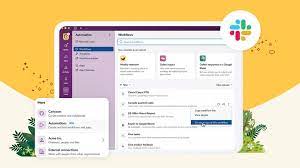
Since its public introduction in 2014, Slack has transformed from its original concept, a searchable log of all conversation and knowledge, into a comprehensive productivity platform that has reshaped how work and co-working is conducted. Get ready! Here comes Slack and Generative AI! In a recent release, Salesforce Slack unveiled a next-generation platform. A platform designed to facilitate seamless automation and integration for users of all technical levels, regardless of coding proficiency. This platform simplifies the utilization of data within Slack, offering enhanced automation and intelligence, allowing for the creation of no-code workflows, custom integrations, and the incorporation of generative AI. Steve Wood, Slack’s SVP of Product and Platform, highlights the significance of placing automation and generative AI tools directly into users’ hands as a pivotal step in Slack’s journey to redefine not only how people work but also how machines and humans interact in the future. Wood delves into the unique features of the new Slack platform, emphasizing its modular architecture grounded in building blocks like functions, triggers, and workflows. These components are remixable, reusable, and seamlessly integrate with the data flow within Slack. The platform enables developers to create tailored solutions, such as integrating with Salesforce, fostering more efficient collaboration, and automating workflows across various business functions. The introduction of generative AI, like Slack GPT, further enhances the platform’s capabilities.  Slack GPT can use Einstein GPT to gain actionable data from Salesforce Customer 360 and Data Cloud.  Wood underscores the potential of this combination to revolutionize work interactions by simplifying automation into reusable building blocks, accessible to both humans and machines. He emphasizes the transformative power of pairing data with AI and automation, anticipating a significant shift in how technology is leveraged in the workplace. Slack and GPT Wood also explains the recent Slack GPT news, detailing its native integration into the Slack user experience. Slack GPT brings generative AI directly into the platform, allowing users to summarize conversations, catch up on missed messages, and edit content effortlessly. The integration of Einstein GPT into Slack expands the conversational interface to Customer 360, providing real-time customer insights directly in Slack. This can be used to automatically generate case summaries based on data from Service Cloud AND Slack. As AI evolves over time, Wood shares his excitement about observing how people utilize Slack GPT in real-world scenarios. The focus remains on empowering platform users through native generative AI and leveraging data and behaviors to enhance the product continuously. Historical Content Wood emphasizes the historical context stored within Slack, highlighting the collective past as a valuable resource for future decision-making. Integrating AI technologies into this rich dataset within Slack presents a substantial opportunity for improving workflows and tools. Regarding the integration of Slack with Salesforce Customer 360, Wood stresses the importance of having relevant information easily accessible in one place. Slack serves as the hub where work occurs, and by incorporating generative AI, the platform aims to enhance transparency, alignment, and effectiveness in decision-making. Drawing in and analyzing the data from Slack as well as the other Salesforce platforms provides vital customer information. In reflection on the rapid adoption of this technology, Wood acknowledges the unique challenges presented by the unknown behavior of generative AI. Stability, accuracy, and safety are top concerns, with ethical and responsible development practices crucial for building trust. The future, as Wood sees it, hinges on maintaining a commitment to ethical development, ensuring customers feel confident in trusting the transformative capabilities of generative AI in the workplace and the Slack platform. Like1 Related Posts Who is Salesforce? Who is Salesforce? Here is their story in their own words. From our inception, we’ve proudly embraced the identity of Read more Salesforce Marketing Cloud Transactional Emails Salesforce Marketing Cloud Transactional Emails are immediate, automated, non-promotional messages crucial to business operations and customer satisfaction, such as order Read more Salesforce Unites Einstein Analytics with Financial CRM Salesforce has unveiled a comprehensive analytics solution tailored for wealth managers, home office professionals, and retail bankers, merging its Financial Read more AI-Driven Propensity Scores AI plays a crucial role in propensity score estimation as it can discern underlying patterns between treatments and confounding variables Read more
Read More
Use Salesforce Data Protection Services

Use Salesforce Data Protection Services

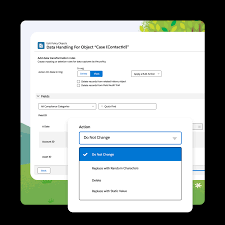
Ensuring Data Security in Salesforce: Use Salesforce Data Protection Services How is Data Protected in Salesforce? Salesforce.com employs cutting-edge Internet security technology, including Secure Socket Layer (SSL) with server authentication and data encryption, ensuring the protection of user information during access via supported web browsers. Why Use Salesforce Data Protection Services? Data Security is imperative to meet evolving privacy standards and safeguard sensitive information shared over the internet. Unauthorized access could pose significant risks to the entire organization, making data security a crucial aspect. Salesforce GDPR Certification: Yes, Salesforce is GDPR certified, as confirmed in Section 11 of the Data Processing Addendum, where Salesforce commits to providing reasonable assistance to customers. Salesforce CCPA Compliance with Customer 360: Salesforce 360 facilitates CCPA compliance by seamlessly connecting Marketing Cloud to Sales Cloud, ensuring a cohesive flow of customer data across the organization. Introduction to Salesforce Shield: Salesforce Shield comprises three security tools – Shield Platform Encryption, Event Monitoring, and Field Audit Trail – embedded into critical business applications to enhance trust, compliance, and governance. Data Protection and Privacy Regulations: Salesforce assists companies in complying with various data protection and privacy regulations, including GDPR, CCPA, PIPA, LGPD, PIPEDA, and more, offering guidance on common privacy principles. Guidance for Data Management and Privacy Compliance: Salesforce provides tools for efficient data management and privacy compliance, covering aspects such as data deletion, consent management, restriction of processing, data access and portability, and privacy center functionalities. Encryption of Data at Rest with Salesforce Shield Platform Encryption: Salesforce Shield Platform Encryption encrypts data at rest within servers, databases, search index files, and the file system, preserving functionality and ensuring secure storage. Use Salesforce Data Protection Services: To enable Data Privacy and Protection in Salesforce, users can navigate through Lightning Experience or Salesforce Classic, accessing the setup and entering “Data Protection and Privacy” in the Quick Find box. Various Data Security Settings in Salesforce: Salesforce offers multiple data security settings, including Object-Level Security through profiles, Permission Sets, Permission Set Groups, Ownership-Based Sharing Rules, Criteria-Based Sharing Rules, and Guest User Sharing Rules. Salesforce Data Ownership and Digital Chain of Custody: Salesforce Data Ownership involves maintaining a Digital Chain of Custody, ensuring meticulous tracking of data through each replication process. This guarantees data remains under control and protected at all times. Salesforce and DLP Functionality: Salesforce does not have built-in Data Loss Prevention (DLP) functionality. It relies on third-party apps like Nightfall to provide DLP capabilities, crucial for maintaining compliance with regulations such as HIPAA and PCI. Like Related Posts Who is Salesforce? Who is Salesforce? Here is their story in their own words. From our inception, we’ve proudly embraced the identity of Read more Salesforce Marketing Cloud Transactional Emails Salesforce Marketing Cloud Transactional Emails are immediate, automated, non-promotional messages crucial to business operations and customer satisfaction, such as order Read more Salesforce Unites Einstein Analytics with Financial CRM Salesforce has unveiled a comprehensive analytics solution tailored for wealth managers, home office professionals, and retail bankers, merging its Financial Read more AI-Driven Propensity Scores AI plays a crucial role in propensity score estimation as it can discern underlying patterns between treatments and confounding variables Read more
Read More
Slack and Salesforce

Amaze Your Customers With Slack and Service Cloud For Improved Customer Service

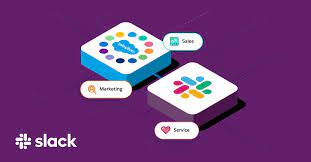
Surpass your customers’ expectations with the combined power of Service Cloud and Slack. Drive down operating costs, enhance team productivity, and exceed customer expectations by leveraging the capabilities of Service Cloud and Slack. Understanding the current service landscape: The digital transformation, accelerated by the pandemic, has propelled customers and businesses into a new era, marked by the extensive use of diverse tools for day-to-day operations. Since 2020, Salesforce’s data indicates that achieving transparency and fostering active engagement are crucial to meeting heightened customer expectations, evident in a notable 47% surge in video support. However, a significant number of organizations face a challenge as their technology systems do not fully align with these evolving expectations. We all know it’s hard to make a good paper mache airplane if you only have a piece of paper. And technology is no different. According to Intercom, 46% of support leaders express that their tech stack acts as a hindrance to achieving organizational goals. Operating across various applications diminishes team productivity and hinders business expansion. To effectively cater to your customers, service teams must innovate and adapt to the multitude of tools, contact channels, isolated teams, and fragmented data. Support operations personnel need to address key questions: The solution lies in adopting Slack as the productivity hub, coupled with Salesforce’s Service Cloud integration. This dynamic combination unlocks your full productivity potential, fostering increased customer loyalty. Break down organizational silos and expedite case resolution for enhanced customer experiences. In the ever-evolving digital marketplace, customers demand seamless service without being transferred between agents or repeating their information. A staggering 83% of customers expect complex issues to be addressed by a single point of contact. However, traditional tiered-support models fall short of meeting these expectations. The solution lies in providing teams with a comprehensive view of the entire customer journey. By leveraging the combined capabilities of Service Cloud and Slack, organizations can achieve significant cost reductions and enhance service team productivity. Service Cloud has been shown to lower support costs by 27%, while Slack increases employee productivity by 26%, according to the 2022 Salesforce Success Metrics Global Highlights study. Swarming Swarming, facilitated by Service Cloud and Slack, revolutionizes the support approach. Unlike traditional tiered support, swarming brings service agents, engineers, and issue analysts together in real-time, eliminating the need for case escalations and customer department bouncing. The swarm team collaborates efficiently, sharing information with customers proactively. The Field Service mobile app further facilitates instant connections with experts, reducing the need for unnecessary on-site visits. Service Cloud and Slack, working together, use out-of-the-box workflows to automatically assemble cross-functional experts and create Slack channels for collaborative efforts on complex cases. This approach eliminates messy handoffs and siloed decision-making, promoting transparency. Swarming ensures that everyone involved can access the entire conversation, participate in Slack huddles, and search for resolutions to similar cases. Automation and streamlined collaboration are paramount for providing exceptional service experiences. The time factor, particularly time to resolution and time on hold, is a significant barrier. Many service agents (78%) struggle to balance speed and quality due to the challenge of working across multiple systems. The integration of Service Cloud and Slack addresses this issue by extending workflows throughout the organization. Soon, Slack GPT will further enhance CRM and conversational data, providing AI-generated summaries and enabling the creation of no-code workflows. Workflow Builder and Flow Builder, no-code tools from Slack and Salesforce, respectively, collaborate seamlessly to automate daily tasks and enhance transparency, agility, and cross-team collaboration. Successful Integration The success of this integration is evident in the substantial improvements seen by service organizations using Slack, including a 32% increase in Net Promoter Score, 27% decrease in service/support costs, 30% increase in agent productivity, and a 30% increase in customer retention. The ever-changing level of customer expectations underscores the importance of service professionals as frontline ambassadors for your brand. With 88% of customers valuing their experience with a company as much as its products, swarming becomes a strategic approach to surpass expectations. Slack Connect facilitates direct access to support for partners, vendors, and B2B customers through a dedicated channel, fostering collaborative issue resolution. Slack clips and white-glove service further enhance the support process. Clips allow users to record audio, video, and screen shares, creating a searchable database of demonstrations. Private support channels in Slack provide key customers with white-glove service, allowing them to record and upload technical issues for prompt resolution. slack and service cloud In the current remote and decentralized business workforce, Service Cloud and Slack offer an opportunity to exceed customer expectations, transform service cases into lasting relationships, cut costs, and boost team productivity. If your average call handle time is too long, if your data is too siloed, or if your customer service teams are overwhelmed, contact Tectonic today to explore a Slack and Salesforce Service Cloud Integration. Like Related Posts Who is Salesforce? Who is Salesforce? Here is their story in their own words. From our inception, we’ve proudly embraced the identity of Read more Salesforce Marketing Cloud Transactional Emails Salesforce Marketing Cloud Transactional Emails are immediate, automated, non-promotional messages crucial to business operations and customer satisfaction, such as order Read more Salesforce Unites Einstein Analytics with Financial CRM Salesforce has unveiled a comprehensive analytics solution tailored for wealth managers, home office professionals, and retail bankers, merging its Financial Read more AI-Driven Propensity Scores AI plays a crucial role in propensity score estimation as it can discern underlying patterns between treatments and confounding variables Read more
Read More
Google Analytics and Salesforce Integration

Google Analytics and Salesforce Integration

Syncing Google Analytics Data to CRM Analytics To integrate Google Analytics and Salesforce Integration using the Google Analytics connector, follow these steps: Important Note: As of July 1, 2023, the main product Google Analytics has been decommissioned and replaced with the new product Google Analytics 4 (GA4). The Salesforce announcement GA4 Set to Replace Universal Analytics gives an overview on this. Creating a Connection Required Settings: Google Analytics 4 Integration To sync Google Analytics 4 data to Salesforce Data Pipelines: Connector Considerations: Google Analytics Salesforce Sales Cloud Integration User Identification Analytics provides two methods to identify users: Required Salesforce Sales Cloud Objects and Fields: Integration Steps: Testing and Viewing Imported Data: Notes: Google Data Studio and Salesforce Integration Connecting Salesforce with Google Data Studio allows for powerful visualizations that combine sales and marketing data. This integration helps in understanding which channels generate the most leads and income. Google Analytics 4 Connection Setup: Connection Details: Advanced Properties: Considerations: By following these steps, you can seamlessly integrate Google Analytics data into your CRM Analytics and Salesforce Data Pipelines, ensuring robust data analysis and informed decision-making. Decide How to Identify Your Users: Analytics offers two ways to programmatically identify your users: Client ID and User-ID. To support Data Import for Salesforce Sales Cloud, you must implement Client ID. You may optionally choose to also implement User-ID. Client ID pseudonymously identifies a browser instance and is best suited for businesses focused on lead generation and new customer acquisition. User-ID enables the analysis of groups of sessions, across devices, using a unique, persistent, and non-personally identifiable ID string representing a user. This option is best for businesses with high rates of logged-in users. How to Import CRM/ERP Data with Google Analytics 4 Using a CSV File: Transitioning to Google Analytics 4: As of March 2023, Google has automatically created GA4 properties for users unless they opt-out. Until July 1, 2023, you can continue to use and collect new data in your Universal Analytics properties. After this date, you must export your historical reports as Universal Analytics will be phased out. How Does Google Help Salesforce Marketing Cloud Users? Google Analytics provides invaluable insights into user behavior, helping Salesforce Marketing Cloud users optimize campaigns and understand customer journeys. Integration with the Google platform allows businesses to combine offline sales data with digital analytics, optimizing digital marketing strategies and improving campaign effectiveness. Additional Integration: Using datasets from Google Analytics and Google BigQuery, businesses can create interactive Tableau CRM dashboards to visualize campaign activities and performance metrics. By following these guidelines, organizations can leverage Google Analytics data effectively within their Salesforce ecosystem, enhancing decision-making and strategic planning. Content updated July 2024. Like1 Related Posts Who is Salesforce? Who is Salesforce? Here is their story in their own words. From our inception, we’ve proudly embraced the identity of Read more Salesforce Marketing Cloud Transactional Emails Salesforce Marketing Cloud Transactional Emails are immediate, automated, non-promotional messages crucial to business operations and customer satisfaction, such as order Read more Salesforce Unites Einstein Analytics with Financial CRM Salesforce has unveiled a comprehensive analytics solution tailored for wealth managers, home office professionals, and retail bankers, merging its Financial Read more AI-Driven Propensity Scores AI plays a crucial role in propensity score estimation as it can discern underlying patterns between treatments and confounding variables Read more
Read More
Salesforce Experience Cloud

Nonprofit with Salesforce Experience Cloud

Transform Your Nonprofit with Salesforce Experience Cloud: A Digital Storefront for Engagement Think of Salesforce Experience Cloud as your Nonprofit’s digital storefront—always open, always inviting. This powerful Digital Experience Platform (DXP) enables you to create custom portals, communities, and hubs where donors, volunteers, and beneficiaries can seamlessly connect with your organization. Instead of juggling endless emails and spreadsheets, Experience Cloud centralizes interactions, making them self-service, intuitive, and engaging. With nonprofit-specific features, you can build customized, branded experiences without heavy development work. Here’s what makes Experience Cloud a game-changer: ✅ Drag-and-drop site builder for effortless customization✅ Prebuilt templates & Lightning components for quick deployment✅ Mobile Publisher for consistent branding across mobile apps✅ Built-in content management system (CMS)✅ Personalization tools like audience targeting & role-based access✅ Einstein AI-powered chatbots for instant responses✅ Gamification with badges & leaderboards✅ Google Analytics 4 integration for engagement insights✅ Advanced security with Lightning Locker & Clickjack protection …and much more. 🔍 Nonprofit Solutions You Can Build with Salesforce Experience Cloud 1️⃣ Program Applications & Intake Portals Managing program applications can be overwhelming without a structured system. Experience Cloud allows Nonprofits to create a self-service portal where applicants can submit forms, track status updates, and receive automated notifications—eliminating paper-based processes and endless email chains. With Dynamic Forms and Flow Builder, applications stay structured while automation accelerates approvals. Plus, since everything syncs to the Nonprofit Success Pack (NPSP), you’ll always have a real-time view of applicants and program impact. 2️⃣ Volunteer Portals Managing volunteers shouldn’t feel like a full-time job. With a Volunteer Portal, people can sign up, pick shifts, and track their hours—all without back-and-forth emails. Features like automated background checks and approval workflows ensure smooth operations. Meanwhile, Experience Cloud’s Chatter integration fosters engagement, helping you track who’s active, who’s disengaged, and who might need a little encouragement. 3️⃣ Community Partner Portals Nonprofits thrive on partnerships, and a Community Partner Portal keeps corporate sponsors, local businesses, and community groups connected. With this portal, partners can log in, access shared resources, submit funding applications, and track joint projects—all from one secure platform. Role-based access ensures that sensitive data stays protected while collaboration remains seamless. 4️⃣ Membership Portals If your nonprofit has a membership program, Experience Cloud helps you build a Member Portal where users can renew memberships, update information, and access exclusive content. Want to boost engagement? Introduce gamification with badges, leaderboards, and personalized event recommendations. Since everything is integrated with Salesforce CRM, you’ll gain real-time insights into member activity to keep engagement levels high. 5️⃣ Grant Management Portals Grant applications shouldn’t feel like a never-ending email thread. With Experience Cloud, you can create a Grant Management Portal where organizations apply for funding, track application progress, and submit reports—all in one place. Einstein AI can even prioritize applications based on predefined criteria, accelerating the review process. Grantors, in turn, can access real-time funding reports—enhancing transparency and trust. 6️⃣ E-Commerce & Donation Portals Looking to sell nonprofit merchandise or accept donations online? Experience Cloud seamlessly integrates with Salesforce Commerce Cloud, allowing you to build an e-commerce storefront for hassle-free transactions. Supporters can:💳 Make one-time or recurring donations🛍️ Purchase branded merchandise📜 Track donation history & receive personalized thank-you messages For secure transactions and easy donor tracking, you can integrate Stripe, PayPal, or other payment processors directly into your portal. 7️⃣ Voter Registration Portals If your nonprofit promotes civic engagement, Experience Cloud can power a Voter Registration Portal where users can check registration status, sign up to vote, and receive election reminders. With geolocation tools, voters can find polling places instantly, while Marketing Cloud integration allows you to send timely voter updates—ensuring higher participation in the democratic process. Implementing Salesforce Experience Cloud for Nonprofits Which Approach is Right for Your Nonprofit? Your ideal Experience Cloud implementation depends on your current CRM, budget, and long-term strategy. 1️⃣ Standalone Experience Cloud Implementation If your nonprofit already uses Salesforce CRM (but not NPSP), you can still implement Experience Cloud independently to create portals, volunteer hubs, and dashboards while maintaining your existing CRM as the system of record. Considerations:🔹 Custom Configuration – You’ll need to set up nonprofit-specific objects & automation.🔹 Permissions & Access – Well-structured security settings are crucial.🔹 CRM Integration – If using a non-Salesforce CRM, API integrations (e.g., MuleSoft, Zapier) will be required. This option is best for nonprofits that want external-facing engagement tools without fully shifting to the Salesforce Nonprofit ecosystem. 2️⃣ Experience Cloud + Nonprofit Cloud / NPSP For nonprofits already using Salesforce Nonprofit Cloud or NPSP, Experience Cloud becomes an extension of your engagement strategy. 🔹 Real-time donor, volunteer, and grant data sharing🔹 Prebuilt nonprofit features (fundraising, donor management, program tracking)🔹 Automation & AI-powered engagement 3️⃣ Experience Cloud + Third-Party Nonprofit CRMs Already using a third-party nonprofit CRM (like Raiser’s Edge NXT, Neon One, or DonorPerfect)? You can still leverage Experience Cloud, but strong integration is key. 🔹 Experience Cloud powers your donor, volunteer, or program portal🔹 API-based sync required for real-time data exchange🔹 Tools like MuleSoft or Zapier help bridge data gaps This approach is ideal for nonprofits wanting the flexibility of Experience Cloud without migrating their backend to Salesforce. Final Thought: Making Experience Cloud Work for Your Nonprofit No matter your approach, Salesforce Experience Cloud is a powerful tool to drive engagement and efficiency for nonprofits. However, successful implementation requires a well-thought-out strategy. Need expert guidance? A Salesforce implementation partner can help tailor Experience Cloud to fit your unique nonprofit needs, ensuring your digital storefront delivers maximum impact. Like Related Posts Who is Salesforce? Who is Salesforce? Here is their story in their own words. From our inception, we’ve proudly embraced the identity of Read more Salesforce Marketing Cloud Transactional Emails Salesforce Marketing Cloud Transactional Emails are immediate, automated, non-promotional messages crucial to business operations and customer satisfaction, such as order Read more Salesforce Unites Einstein Analytics with Financial CRM Salesforce has unveiled a comprehensive analytics solution tailored for wealth managers, home office professionals, and retail bankers, merging its Financial Read more AI-Driven Propensity Scores AI plays

Read More
Revolutionizing Public Sector Efficiency

Revolutionizing Public Sector Efficiency

Salesforce: Transforming and Revolutionizing Public Sector Efficiency Salesforce, known worldwide as the premier CRM solution, continues to innovate with its adaptable features tailored to diverse audiences. It excels in delivering cutting-edge solutions, addressing unique needs across various industries and sectors. Particularly, the public sector stands to gain substantial benefits from Salesforce’s capabilities, offering a suite of solutions poised to optimize operations within any public office setting. Understanding the Role of Salesforce in the Public Sector The public sector encompasses the administrative segment responsible for managing essential citizen concerns at state, local, federal, and governmental agency levels. While carrying out critical tasks, these entities can significantly enhance efficiency with the right tools. Salesforce is dedicated to optimizing and streamlining processes within the public sector, recognizing its vital importance. Government offices face similar expectations to private enterprises, with citizens anticipating service quality on par with commercial experiences. Therefore, public entities must deliver efficiency, agility, and direct engagement to demonstrate proximity to the populace. In response to these expectations, Salesforce has developed a range of solutions tailored to the specific demands of the public sector. Revolutionizing Public Sector Efficiency Salesforce’s offerings for the public sector include meticulously crafted applications designed to meet its unique requirements. These flexible and secure e-government tools aim to revolutionize the sector’s experience, providing a comprehensive view of citizens and enhancing the efficacy of public employees. By simplifying processes and fostering innovation, these solutions drive efficiency at both organizational and individual levels, facilitating smoother operations. Integrated into Public Sector Solutions, these offerings leverage Salesforce’s standard functionalities and Service Cloud capabilities. Additionally, they enable the creation of an Experience Cloud site, allowing citizens seamless access to government services. Known as a Citizen Portal. Some of the available solutions cater to general tasks managed by public sector agencies, including: Thanks to these solutions, citizens can effortlessly navigate various processes, such as applying for licenses or permits. Through an online portal accessible at all times, individuals can interact seamlessly with public service agencies. Intelligent forms dynamically adjust based on user input, simplifying the submission process. From an employee standpoint, work processes are streamlined, with all citizen requests conveniently consolidated in one location. The system offers recommendations to guide employees, simplifies task delegation, and ensures seamless collaboration across departments. Key Advantages of Salesforce Solutions for the Public Sector Salesforce solutions offer numerous advantages to the public sector, aligning with citizens’ and employees’ current demands. These include: Salesforce emerges as an invaluable ally in the public sector’s modernization journey, transforming processes to be more agile and efficient. For organizations seeking to implement Salesforce solutions tailored for the public sector, the Tectonic team stands ready to assist. In the ever-evolving landscape of public administration and government services, the need for advanced, secure, and user-friendly technology solutions has never been more crucial. Enter Salesforce Public Sector Cloud—a dynamic platform designed to transform how government agencies engage with citizens, deliver services, and drive efficiency in their operations. Overview of Salesforce Public Sector Cloud: Salesforce Public Sector Cloud is a specialized offering tailored to meet the unique needs of government entities at all levels. Whether it’s federal, state, or local government agencies, the platform is engineered to enhance collaboration, streamline processes, and ultimately improve the delivery of public services. Key Features and Capabilities: Real-World Impact: Several government agencies have already embraced Salesforce Public Sector Cloud, realizing tangible benefits in their day-to-day operations. From improved citizen satisfaction to streamlined internal processes, the impact of this cloud solution is evident across various use cases. Challenges and Considerations: While Salesforce Public Sector Cloud offers numerous advantages, it’s essential to consider potential challenges. These may include customization complexities, data migration issues, and the need for comprehensive training for government personnel. A thoughtful and well-executed implementation strategy is crucial to overcoming these challenges. Salesforce Introduces Public Sector Einstein 1 for Service: Salesforce today announced Public Sector Einstein 1 for Service, including CRM, trusted AI, and data capabilities. What’s new in compliance: Salesforce also now offers several Federal Risk and Authorization Management Program (FedRAMP) compliant tools to help government agencies drive efficiency and productivity while meeting regulatory requirements. These tools include:  Content updated April 2024. Like Related Posts Who is Salesforce? Who is Salesforce? Here is their story in their own words. From our inception, we’ve proudly embraced the identity of Read more Salesforce Marketing Cloud Transactional Emails Salesforce Marketing Cloud Transactional Emails are immediate, automated, non-promotional messages crucial to business operations and customer satisfaction, such as order Read more Salesforce Unites Einstein Analytics with Financial CRM Salesforce has unveiled a comprehensive analytics solution tailored for wealth managers, home office professionals, and retail bankers, merging its Financial Read more AI-Driven Propensity Scores AI plays a crucial role in propensity score estimation as it can discern underlying patterns between treatments and confounding variables Read more

Read More
What is Health Cloud

What is Health Cloud?

Salesforce Health Cloud, a specialized platform designed for healthcare organizations, aims to streamline operations and provide personalized care. By leveraging cloud technology, mobile capabilities, and social integration, Health Care Cloud enhances productivity, reduces costs, and offers a comprehensive view of patient data. Salesforce keeps electronic personal health information (ephi) safe and secure. Since its inception, Salesforce Health Cloud has evolved significantly to meet the unique and challenging needs of the healthcare sector. The introduction of Customer 360 for Health marks a milestone in fostering empathetic care and promoting collaboration among healthcare teams. What is Salesforce Health Cloud? At its core, Health Cloud facilitates seamless collaboration among healthcare teams to ensure optimal patient care. With robust security measures in place, patient data remains secure and accessible only to authorized personnel. Salesforce Health provides care teams with convenient access to both clinical and non-clinical patient information, including health conditions, medications, appointment history, communication preferences, and data from Electronic Health Records (EHRs). Categorized under Salesforce Industry Clouds, Health Cloud combines CRM capabilities with specialized features tailored for healthcare providers, payers, medical device companies, and pharmaceutical manufacturers. Its goal is to deliver personalized, connected care across the entire, sometimes disjointed healthcare ecosystem. Why Use Salesforce Health Cloud? Salesforce Health offers benefits to various stakeholders within the healthcare industry, including providers, payers, manufacturers, and research organizations. In a challenging healthcare landscape, Health Cloud addresses concerns such as managing complex patient data and enhancing patient experiences effectively. Success stories from organizations like New England Biolabs and John Muir Health highlight the impact of Health Salesforce in streamlining operations, improving customer satisfaction, and enhancing care coordination. Despite its transformative potential, widespread adoption and success require rebuilding patient trust, delivering empathetic care, and prioritizing data security. Tools like Health Cloud play a crucial role in achieving these goals. The Health Cloud Data Model Central to Salesforce Health is the flexible Health Cloud Data Model, built atop the Salesforce Platform. This model organizes diverse healthcare data sources, leveraging standard objects like Accounts and Contacts alongside custom objects tailored for healthcare applications. The data model revolves around organizing data around the patient, providing care teams with a holistic view for informed decision-making and personalized care. It supports interoperability and adheres to healthcare data standards like HL7 and FHIR, enabling seamless integration with EHRs and other healthcare applications. Key Features of Salesforce Health Salesforce Health Cloud offers a suite of robust features, including: Patient 360: Provides a unified view of the patient, consolidating demographics, clinical data, and interactions for informed decision-making and personalized care. Care Plans: Enables care teams to create, track, and manage personalized care plans, incorporating goals, tasks, and milestones to monitor patient progress. Care Coordination: Facilitates collaboration among care teams, supporting secure messaging and information sharing across providers. Health Timeline: Offers an interactive visualization of a patient’s medical history, including encounters, lab results, and medications, aiding in understanding and decision-making. Einstein Analytics for Healthcare: Utilizes AI to deliver advanced insights and predictions, empowering organizations to enhance patient outcomes and operational efficiency. Patient 360 for Health In addition to existing features, Salesforce introduces new innovations under Patient 360 for Health, powered by AI. These updates include: Advanced Therapy Management: Streamlines treatment processes for pharmaceutical companies, offering full visibility into patient treatment. Salesforce Genie for Healthcare: Integrates real-time clinical and non-clinical data to create comprehensive patient profiles. AI-Supported Health Timeline: Enhances navigation and accessibility of patient records and journeys through AI. Home Health: Automates intake and scheduling for in-home treatment, optimizing patient preferences. Data Cloud for Healthcare: Connects clinical and non-clinical patient data from multiple sources into a real-time patient profile. MuleSoft Direct for Health Cloud: Provides out-of-the-box connectors to access EHR data, facilitating smoother integration. Tableau Accelerators for Health Cloud: Offers ready-to-use dashboards for various use cases, empowering teams with data-driven insights. Integration With MuleSoft Salesforce Health seamlessly integrates with MuleSoft, enabling organizations to connect with existing EHRs, billing systems, and healthcare applications. MuleSoft’s Anypoint Platform provides pre-built connectors and APIs to simplify integration and unlock the full potential of healthcare data. Salesforce Health Cloud is not only a powerful platform for healthcare organizations but also a catalyst for positive change in patient care and operational efficiency. By leveraging HC’s capabilities, healthcare organizations can deliver exceptional patient experiences, streamline processes, and ensure data security and compliance. With continuous integration and innovation within the Salesforce ecosystem, Health Cloud remains positioned to drive transformative change in the healthcare industry, addressing challenges and paving the way for a brighter future in healthcare. Considering Salesforce Health Cloud for your practice? Contact Tectonic today. Like1 Related Posts Who is Salesforce? Who is Salesforce? Here is their story in their own words. From our inception, we’ve proudly embraced the identity of Read more Salesforce Marketing Cloud Transactional Emails Salesforce Marketing Cloud Transactional Emails are immediate, automated, non-promotional messages crucial to business operations and customer satisfaction, such as order Read more Salesforce Unites Einstein Analytics with Financial CRM Salesforce has unveiled a comprehensive analytics solution tailored for wealth managers, home office professionals, and retail bankers, merging its Financial Read more AI-Driven Propensity Scores AI plays a crucial role in propensity score estimation as it can discern underlying patterns between treatments and confounding variables Read more
Read More
Personalization and Third-Party Apps

Personalization and Third-Party Apps

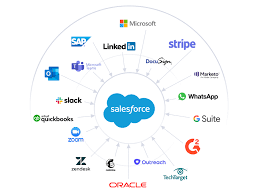
Marketing Cloud Personalization: Integration Capabilities Marketing Cloud Personalization seamlessly integrates with various third-party solutions beyond Salesforce. These integrations span data management platforms, email service providers, third-party campaign detection tools, analytics products, content management systems, social media platforms, and tag managers. Personalization and Third-Party Apps. Data Management Platforms (DMP) Examples: Adobe Audience Manager, BlueKai, Neustar Functionality: Email Service Providers (ESP) Examples: Yes Lifecycle Marketing, Silverpop, Cheetah Mail, Adobe Campaign Functionality: Third-Party Campaign Detection Integration Type: UTM parameter mapping Functionality: Analytics Examples: Adobe Analytics, Google Analytics Functionality: Content Management Systems (CMS) Examples: Various CMS solutions Functionality: Social Integration Type: Generic segment sync Functionality: Tag Managers Integration Type: Custom implementation based on your needs Functionality: By leveraging these integration options, Marketing Cloud Personalization enables seamless data synchronization and enhanced targeting across multiple platforms and channels. Like Related Posts Who is Salesforce? Who is Salesforce? Here is their story in their own words. From our inception, we’ve proudly embraced the identity of Read more Salesforce Marketing Cloud Transactional Emails Salesforce Marketing Cloud Transactional Emails are immediate, automated, non-promotional messages crucial to business operations and customer satisfaction, such as order Read more Salesforce Unites Einstein Analytics with Financial CRM Salesforce has unveiled a comprehensive analytics solution tailored for wealth managers, home office professionals, and retail bankers, merging its Financial Read more AI-Driven Propensity Scores AI plays a crucial role in propensity score estimation as it can discern underlying patterns between treatments and confounding variables Read more
Read More
Salesforce Service Cloud Einstein

Salesforce Service Cloud Einstein

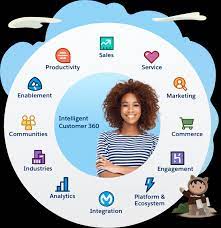
Einstein for Service is a robust suite of time-saving Artificial Intelligence features designed to empower agents in delivering exceptional customer service experiences. Salesforce Service Cloud Einstein-learn more. Customer service has evolved from being a cost center to a growth driver, and leading companies are prioritizing customer service to increase brand loyalty. In Service Cloud Einstein, various AI technologies, such as Machine Learning (ML), deep learning, predictive analytics, Natural Language Processing (NLP), and smart data discovery, work collaboratively to enhance customer support, providing faster and better service. Salesforce Einstein, recognized as the world’s first “generative AI” built for CRM, seamlessly integrates into multiple Salesforce products, including Marketing Cloud, Sales Cloud, and Service Cloud. Sales Cloud incorporates Einstein in the form of eight essential tools: Salesforce Einstein, since its inception in 2016, has been at the forefront of CRM AI technology, delivering personalized and predictive experiences for enhanced professionalism. Salesforce Service Cloud is a CRM platform focused on providing service and support to business customers. It is an extension of the Sales Cloud product tailored for sales professionals. Service Cloud Einstein is utilized by notable companies like Thomson Reuters, Southern Glazer’s Wine and Spirits, Cisco, and Skillsoft. Service Cloud Einstein benefits businesses by providing efficient customer service, with Einstein GPT responding promptly to inquiries, offering precise responses, enhancing customer satisfaction, and reducing resolution time. Studies show that in the same time 3 customers could be serviced before Service Cloud Einstein, now ten can be taken care of. The difference between Einstein GPT and ChatGPT lies in their design, with Einstein GPT specifically tailored for Salesforce users and clouds, while ChatGPT is a more versatile model for general use. Einstein is available for free with Salesforce’s Developer Edition, providing access to most platform features for building and testing custom applications and integrations using Einstein. Salesforce Sales Cloud and Service Cloud differ in their focus, with Sales Cloud concentrating on sales processes, while Service Cloud centers around customer service and support. Einstein remains the overarching AI brand for Salesforce, present across the portfolio, including within Tableau. Einstein Discovery is available as part of Tableau CRM Plus or through Einstein Predictions. Are you ready to explore the power of Einstein in your Salesforce Service Cloud implementation? Contact Tectonic today. Tectonic is please to announce Salesforce Service Cloud Implementation Solutions. Content updated January 2024. Like1 Related Posts Who is Salesforce? Who is Salesforce? Here is their story in their own words. From our inception, we’ve proudly embraced the identity of Read more Salesforce Marketing Cloud Transactional Emails Salesforce Marketing Cloud Transactional Emails are immediate, automated, non-promotional messages crucial to business operations and customer satisfaction, such as order Read more Salesforce Unites Einstein Analytics with Financial CRM Salesforce has unveiled a comprehensive analytics solution tailored for wealth managers, home office professionals, and retail bankers, merging its Financial Read more AI-Driven Propensity Scores AI plays a crucial role in propensity score estimation as it can discern underlying patterns between treatments and confounding variables Read more
Read More
MuleSoft Robotic Process Automation

MuleSoft Robotic Process Automation

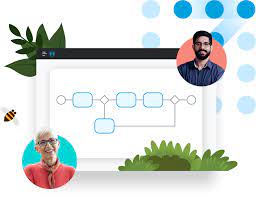
MuleSoft Robotic Process Automation (RPA) MuleSoft Robotic Process Automation (RPA) empowers organizations to automate business processes and tasks using bots, streamlining operations and minimizing human errors. Fully integrated with Salesforce Clouds, MuleSoft RPA enables admins, business teams, and developers to leverage robotic process automation technology, facilitating end-to-end workflow automation. Key Features and Capabilities Benefits of MuleSoft RPA Common Use Cases MuleSoft RPA Development Lifecycle Comprehensive Applications for Managing the Development Lifecycle Installation and Comparison Enhanced Efficiency and Productivity By automating data extraction and entry, reducing errors, and improving productivity, MuleSoft RPA significantly enhances operational efficiency. This allows human operators to focus on more complex and strategic tasks, driving overall organizational success. Like1 Related Posts Who is Salesforce? Who is Salesforce? Here is their story in their own words. From our inception, we’ve proudly embraced the identity of Read more Salesforce Marketing Cloud Transactional Emails Salesforce Marketing Cloud Transactional Emails are immediate, automated, non-promotional messages crucial to business operations and customer satisfaction, such as order Read more Salesforce Unites Einstein Analytics with Financial CRM Salesforce has unveiled a comprehensive analytics solution tailored for wealth managers, home office professionals, and retail bankers, merging its Financial Read more AI-Driven Propensity Scores AI plays a crucial role in propensity score estimation as it can discern underlying patterns between treatments and confounding variables Read more
Read More
Salesforce Loyalty Management

Salesforce Loyalty Program Explained

Loyalty Management enables you to customize programs that precisely align with the unique needs of your business and customer base. Salesforce, equipped with a flexible platform, aids businesses in reimagining their loyalty strategies. The Salesforce Loyalty Cloud empowers businesses across various industries to effortlessly build intelligent loyalty programs without the need for coding. These programs incentivize customers to engage more with the brand, fostering repeat business. Salesforce Loyalty Program Explained. Unleash the full potential of your Customer Loyalty platform through impactful features: The centralized program management feature allows you to configure loyalty programs tailored to your needs, activate segments across channels quickly, and iterate based on results. Improved customer engagement uses behavior analysis to optimize experiences across web and mobile, tailoring them to individual users. Cross-industry partnerships provide customers with more options, and fast time-to-market for referral promotions is facilitated through a guided setup wizard. Identifying brand advocates and implementing AI-powered referral programs with predictive dashboards enhance program impact. Personalizing promotions based on member data and utilizing predictive performance insights maximize engagement and ROI. A single customer view connects loyalty across the customer experience, triggering marketing journeys and providing insights for enhanced interactions. Elevate your loyalty initiatives, engage customers effectively, and drive business growth with the robust capabilities of the Customer Loyalty platform and the expert guidance from Tectonic. Like1 Related Posts Who is Salesforce? Who is Salesforce? Here is their story in their own words. From our inception, we’ve proudly embraced the identity of Read more Salesforce Marketing Cloud Transactional Emails Salesforce Marketing Cloud Transactional Emails are immediate, automated, non-promotional messages crucial to business operations and customer satisfaction, such as order Read more Salesforce Unites Einstein Analytics with Financial CRM Salesforce has unveiled a comprehensive analytics solution tailored for wealth managers, home office professionals, and retail bankers, merging its Financial Read more AI-Driven Propensity Scores AI plays a crucial role in propensity score estimation as it can discern underlying patterns between treatments and confounding variables Read more
Read More
Sales Cloud Einstein

Einstein GPT from Salesforce

Salesforce, the leading global CRM provider, has unveiled Einstein GPT, the world’s first generative AI CRM technology. Engineered to craft personalized content across sales, service, marketing, commerce, and IT interactions, Einstein GPT aims to enhance employee productivity and elevate customer experiences. While Salesforce had previously integrated AI into its ecosystem with Einstein AI, the introduction of Einstein GPT represents a notable advancement. Leaning on OpenAI’s capabilities, Einstein GPT is an empowered iteration of existing technology, aligning with Salesforce’s commitment to artificial intelligence technology adoption. Einstein GPT from Salesforce Einstein GPT operates as an open and extensible platform, leveraging trusted, real-time data for training. It facilitates public and private AI models tailored for CRM, integrating seamlessly with OpenAI to offer generative AI capabilities. This enables users to connect data to OpenAI’s advanced models or choose external models, employing natural-language prompts within Salesforce CRM for content generation that dynamically adapts to evolving customer information and needs. The technology infusion of Einstein GPT involves combining Salesforce’s proprietary AI models with generative AI tech from an ecosystem of partners and real-time data from the Salesforce Data Cloud. This combination allows the generation of personalized content, including emails for sales, responses for customer service, targeted content for marketers, and auto-generated code for developers. The collaboration with OpenAI extends Salesforce’s capabilities by merging OpenAI’s enterprise-grade ChatGPT with Salesforce’s private AI models. Additionally, Salesforce Ventures announced the Generative AI Fund. This is a 0 million investment initiative supporting startups to foster responsible, trusted, and generative AI development. Einstein GPT introduces various applications, such as Einstein GPT for Sales, Service, Marketing, and Developers. These applications empower users to auto-generate things they used to have to write. Sales tasks, enhanced customer service interactions, dynamically created personalized content, and improved developer productivity through an AI chat assistant. To further enhance collaboration, Salesforce and OpenAI introduced the ChatGPT for Slack app. Thus offering AI-powered conversation summaries. The research tools and writing assistance within the Slack platform are aided by Einstein.. Prominent organizations like HPE, L’Oréal, RBC US Wealth Management, and S&P Global Ratings have acknowledged the value of generative AI. They are all improving customer engagement. Like1 Related Posts Who is Salesforce? Who is Salesforce? Here is their story in their own words. From our inception, we’ve proudly embraced the identity of Read more Salesforce Marketing Cloud Transactional Emails Salesforce Marketing Cloud Transactional Emails are immediate, automated, non-promotional messages crucial to business operations and customer satisfaction, such as order Read more Salesforce Unites Einstein Analytics with Financial CRM Salesforce has unveiled a comprehensive analytics solution tailored for wealth managers, home office professionals, and retail bankers, merging its Financial Read more AI-Driven Propensity Scores AI plays a crucial role in propensity score estimation as it can discern underlying patterns between treatments and confounding variables Read more

Read More
gettectonic.com