Tableau Archives - gettectonic.com - Page 2
What is Up with Salesforce Analytics?

What is Up with Salesforce Analytics?

Tableau/CRM Analytics, Tableau Next, and Marketing Intelligence represent different facets of a unified analytics platform built on the Salesforce ecosystem. They offer various levels of integration and AI-driven capabilities for data analysis and insights, catering to diverse user needs within organizations.  Let’s break it down: Tableau/CRM Analytics (formerly Einstein Analytics): Tableau Next: Marketing Intelligence: Relationship and Integration: In essence, Tableau/CRM Analytics provides a foundational layer for CRM-specific analytics, while Tableau Next and Marketing Intelligence build upon that foundation to offer more advanced and AI-driven insights across the entire organization, according to Salesforce.  Like Related Posts Who is Salesforce? Who is Salesforce? Here is their story in their own words. From our inception, we’ve proudly embraced the identity of Read more Salesforce Marketing Cloud Transactional Emails Salesforce Marketing Cloud Transactional Emails are immediate, automated, non-promotional messages crucial to business operations and customer satisfaction, such as order Read more Salesforce Unites Einstein Analytics with Financial CRM Salesforce has unveiled a comprehensive analytics solution tailored for wealth managers, home office professionals, and retail bankers, merging its Financial Read more AI-Driven Propensity Scores AI plays a crucial role in propensity score estimation as it can discern underlying patterns between treatments and confounding variables Read more


Read More
SaaS Data Protection from Own

Salesforce Integrates Own Co. Capabilities

Salesforce Integrates Own Co. Capabilities to Strengthen Data Resilience, Security, and AI Readiness Salesforce has fully integrated Own Co.’s data backup, recovery, and security solutions into its platform, equipping partners and customers with enhanced tools for data resilience, compliance, and security—critical foundations as businesses adopt AI-driven solutions. Marla Hay, Vice President of Product Management for Security, Privacy, and Data Management at Salesforce, emphasized in an interview with CRN that these new capabilities are essential as partners guide customers through AI adoption. “Before launching any major AI initiative, ensuring robust data backup and hygiene is critical,” Hay said. “With AI and autonomous agents, the quality of insights depends entirely on the integrity of your data. These new tools help businesses minimize risk while maximizing AI’s potential.” Key Enhancements for AI and Security The integration empowers solution providers to: “Clean, well-managed data isn’t just about compliance—it accelerates operations, enhances customer experiences, and ensures accuracy,” Hay added. Salesforce announced its acquisition of Own Co. in September 2023, bringing over 7,000 customers into its ecosystem. The newly integrated features include: 1. Secure Data Masking & Sandbox Testing 2. Enhanced Monitoring & Threat Detection 3. Robust Backup & Recovery 4. AI-Ready Data Insights with Salesforce Discover 5. Cost-Efficient Data Archiving Why This Matters for AI Adoption As businesses increasingly rely on AI agents and predictive analytics, ensuring data integrity, security, and recoverability is non-negotiable. Salesforce’s integration of Own Co.’s capabilities provides a low-risk pathway to cleaner, more resilient data—ultimately leading to: For partners and customers, these enhancements mean smoother AI deployments, reduced risk, and better business outcomes. Interested in leveraging these new capabilities? Contact Tectonic today. Like Related Posts Who is Salesforce? Who is Salesforce? Here is their story in their own words. From our inception, we’ve proudly embraced the identity of Read more Salesforce Marketing Cloud Transactional Emails Salesforce Marketing Cloud Transactional Emails are immediate, automated, non-promotional messages crucial to business operations and customer satisfaction, such as order Read more Salesforce Unites Einstein Analytics with Financial CRM Salesforce has unveiled a comprehensive analytics solution tailored for wealth managers, home office professionals, and retail bankers, merging its Financial Read more AI-Driven Propensity Scores AI plays a crucial role in propensity score estimation as it can discern underlying patterns between treatments and confounding variables Read more

Read More
Tableau

Tableau’s New AI Agents

Tax day for some, Tableau Agents for others. The new Tableau AI agents will bridge a data confidence gap. Tableau’s New AI Agents Tackle the Growing Data Confidence Crisis A new Salesforce survey reveals a striking paradox in today’s data-driven business landscape: While 85% of U.S. leaders face mounting pressure to support decisions with data, their trust in that data has plummeted by 27% since 2023. To address this crisis, Salesforce is positioning its newly unveiled Tableau Next—an “agentic analytics” platform—as the solution. Formerly known as Tableau Einstein, the AI-powered system introduces three specialized assistants designed to restore confidence in data analysis: The survey of 500+ leaders highlights the urgency: Over half doubt their ability to analyze data independently, yet 85% require insights within 30 minutes for critical decisions. “The demand for real-time data is part of why confidence is eroding,” said Tableau CPO Southard Jones. Meanwhile, 77% say AI’s rise makes data-driven strategies even more essential. Integrated with Salesforce’s Agentforce AI platform, Tableau Next aims to transform analytics from static reports to AI-driven collaboration. “We’re moving beyond dashboards to AI as a decision-making partner,” said CEO Ryan Aytay. “By merging trusted data with intuitive tools, we’re automating the path from insight to action.” The launch marks Tableau’s latest evolution under Salesforce, which acquired the Seattle firm for $15.7 billion in 2019. Despite slowing growth (3% YoY in Q1 vs. 20% in 2023), the push into AI analytics aligns with Salesforce’s broader 9% annual revenue growth. Like Related Posts Who is Salesforce? Who is Salesforce? Here is their story in their own words. From our inception, we’ve proudly embraced the identity of Read more Salesforce Marketing Cloud Transactional Emails Salesforce Marketing Cloud Transactional Emails are immediate, automated, non-promotional messages crucial to business operations and customer satisfaction, such as order Read more Salesforce Unites Einstein Analytics with Financial CRM Salesforce has unveiled a comprehensive analytics solution tailored for wealth managers, home office professionals, and retail bankers, merging its Financial Read more AI-Driven Propensity Scores AI plays a crucial role in propensity score estimation as it can discern underlying patterns between treatments and confounding variables Read more

Read More
Google Data Studio and Salesforce

What Does the Salesforce Google Cloud Partnership Mean?

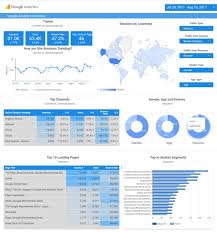
Salesforce and Google Cloud Expand AI Partnership: What It Means for Your Business Enterprise AI is evolving at an unprecedented pace. This week, Salesforce and Google Cloud announced a major expansion of their strategic partnership, promising to give businesses greater flexibility, power, and choice in building AI-driven customer experiences and data strategies. This collaboration isn’t just about new technology—it’s about reimagining how businesses engage customers, unlock insights, and drive efficiency with AI. But what does that mean in practical terms? Let’s break down the top key opportunities. Why This Matters for Your Business In today’s business arena, AI isn’t just an advantage—it’s a necessity. With this partnership, businesses can: ✅ Unify Data Seamlessly – Break down silos with a zero-copy architecture, eliminating data fragmentation.✅ Leverage AI Flexibility – Choose predictive, generative, and multi-modal AI models without vendor lock-in.✅ Ensure Trust & Security – Use bias detection, explainability tools, and enterprise-grade security.✅ Streamline Workflows – Automate processes across Salesforce, Google Cloud, and other key platforms. This partnership isn’t just about adding AI—it’s about creating an intelligent, unified ecosystem that connects data, applications, and AI models. AI in Action: How Businesses Can Benefit 1️⃣ Smarter, Faster Customer Support with AI Agents With Salesforce Agentforce powered by Google Gemini AI, businesses can deploy multi-modal AI agents that handle text, images, audio, and video, creating more natural and intelligent customer interactions. 🔹 AI-Powered Insurance ClaimsA customer submits an insurance claim by uploading images of car damage and leaving an audio voicemail. Agentforce can:✔️ Analyze both the image and audio to assess the claim.✔️ Cross-check details using real-time Google Search grounding.✔️ Generate a claim recommendation in seconds, reducing wait times. 🔹 AI-Driven Contact CentersSupport agents struggle to gauge frustration over the phone. With Google Cloud AI in Service Cloud, businesses can:✔️ Analyze tone and sentiment in real time.✔️ Escalate calls automatically when frustration is detected.✔️ Provide AI coaching to help agents respond effectively. 2️⃣ Proactive Business Insights: AI That Thinks Ahead AI doesn’t just respond to customer needs—it anticipates them. By integrating Salesforce Data Cloud with Google BigQuery and Vertex AI, businesses can predict and prevent issues before they arise. 🔹 AI-Powered Supply Chain Risk DetectionA global retailer can:✔️ Monitor real-time risks (weather, port congestion, geopolitical issues).✔️ Predict delays before they happen.✔️ Automatically adjust supply routes to minimize disruptions. 🔹 AI-Driven Sales Forecasting & Lead ScoringWith Gemini AI inside Agentforce, sales teams can:✔️ Predict lead conversion rates with AI-driven analytics.✔️ Analyze customer intent from emails, calls, and social interactions.✔️ Get AI-powered recommendations to optimize outreach. 3️⃣ Hyper-Personalized Customer Experiences Customers expect brands to know them. With Salesforce Data Cloud + Google AI, businesses can deliver personalized experiences at scale. 🔹 AI-Powered Shopping AssistantsA luxury e-commerce brand can:✔️ Let customers upload a photo of an item they love.✔️ Use AI to identify similar products and make recommendations.✔️ Incorporate real-time sentiment analysis to refine suggestions. 🔹 AI-Driven Dynamic Pricing & PromotionsA travel company using Salesforce Data Cloud + Vertex AI can:✔️ Analyze real-time demand, competitor pricing, and customer behavior.✔️ Dynamically adjust pricing and offer personalized promotions.✔️ Deploy A/B tests to optimize revenue strategies. 4️⃣ A Unified Data Strategy for Smarter Decisions The biggest advantage of this partnership? Seamless connectivity between Salesforce Data Cloud, Vertex AI, BigQuery, Tableau, and Looker, creating AI-powered business intelligence. 🔹 AI-Powered Business DashboardsA global enterprise with multiple CRM and ERP systems can:✔️ Consolidate real-time data without duplication.✔️ Use AI-powered insights to surface key trends.✔️ Automate predictive analytics dashboards for proactive decision-making. 🔹 AI-Driven Revenue IntelligenceA SaaS company can:✔️ Analyze churn risk and upsell opportunities.✔️ Use AI-driven insights to optimize sales and marketing.✔️ Deploy custom Vertex AI models directly in Salesforce workflows. The Takeaway The Salesforce-Google Cloud partnership brings unmatched AI and data capabilities to businesses, enabling: ✅ Seamless data unification for smarter decision-making.✅ AI-powered automation to reduce workload and drive efficiency.✅ Advanced AI models for hyper-personalized customer experiences. As AI adoption accelerates, businesses that invest in the right strategy today will lead tomorrow. With Salesforce Data Cloud and Google Vertex AI, companies can embrace AI confidently, break down data silos, and drive transformation like never before. Like1 Related Posts Who is Salesforce? Who is Salesforce? Here is their story in their own words. From our inception, we’ve proudly embraced the identity of Read more Salesforce Marketing Cloud Transactional Emails Salesforce Marketing Cloud Transactional Emails are immediate, automated, non-promotional messages crucial to business operations and customer satisfaction, such as order Read more Salesforce Unites Einstein Analytics with Financial CRM Salesforce has unveiled a comprehensive analytics solution tailored for wealth managers, home office professionals, and retail bankers, merging its Financial Read more AI-Driven Propensity Scores AI plays a crucial role in propensity score estimation as it can discern underlying patterns between treatments and confounding variables Read more
Read More
Salesforce Foundations

Salesforce Products

Salesforce Products: A Complete Guide to Powering Your Business Growth Transform Your Business with Salesforce’s Integrated Solutions For companies focused on growth, efficiency, and exceptional customer experiences, Salesforce provides a comprehensive suite of cloud-based tools that adapt to your unique business needs. Whether you’re managing sales pipelines, marketing campaigns, customer service operations, or eCommerce platforms, Salesforce offers specialized solutions that work together seamlessly. Core Salesforce Products for Every Business Function 1. Sales Cloud: The Ultimate Sales Acceleration Platform “Since implementing Sales Cloud, our reps spend 30% more time selling and 40% less time on admin work.” – Enterprise Sales Director 2. Service Cloud: Revolutionizing Customer Support 3. Marketing Cloud: Personalized Engagement at Scale 4. Commerce Cloud: Unified Shopping Experiences Enhancing Your Salesforce Ecosystem Experience Cloud: Build Digital Communities Data & Analytics: Smarter Decision Making Customization & Integration Why Companies Choose Salesforce ✅ Proven Scalability: From startups to Fortune 500 enterprises✅ Continuous Innovation: 3 major releases per year with new features✅ Trusted Security: Enterprise-grade protection for your data✅ Global Ecosystem: 150,000+ certified consultants and developers Getting Started with Salesforce Whether you’re evaluating CRM options or planning a digital transformation, Salesforce offers: Next Steps:Explore Salesforce products in depth or speak with a solutions consultant to identify the right tools for your business needs. Like Related Posts Who is Salesforce? Who is Salesforce? Here is their story in their own words. From our inception, we’ve proudly embraced the identity of Read more Salesforce Marketing Cloud Transactional Emails Salesforce Marketing Cloud Transactional Emails are immediate, automated, non-promotional messages crucial to business operations and customer satisfaction, such as order Read more Salesforce Unites Einstein Analytics with Financial CRM Salesforce has unveiled a comprehensive analytics solution tailored for wealth managers, home office professionals, and retail bankers, merging its Financial Read more AI-Driven Propensity Scores AI plays a crucial role in propensity score estimation as it can discern underlying patterns between treatments and confounding variables Read more

Read More
Salesforce Managed Services

Key Signs Your Business Needs a Salesforce Support & Maintenance Partner

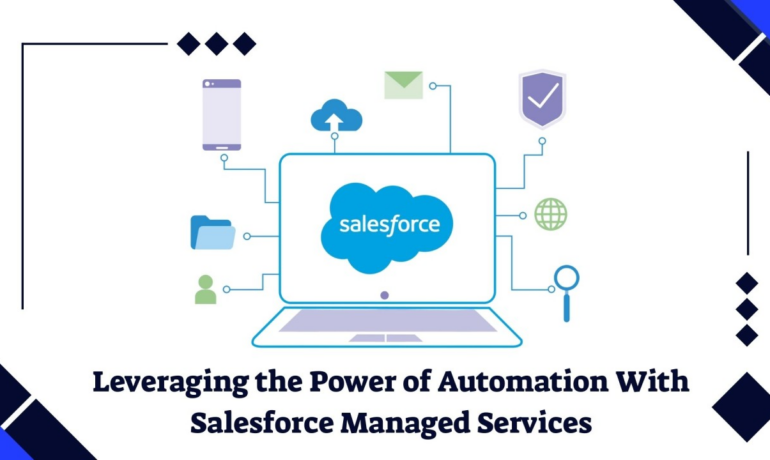
Salesforce is a powerful CRM platform, but simply implementing it doesn’t guarantee success. To maximize ROI, businesses need continuous optimization, expert guidance, and proactive maintenance—something an in-house team may struggle to provide alone. Discover the key signs your business needs a Salesforce support and maintenance partner. Many companies invest in Salesforce expecting high returns but end up facing: These challenges turn Salesforce into a cost center rather than a revenue-driving platform. If you’re noticing these issues, it’s time to consider a Salesforce support and maintenance partner. This insight explores the critical warning signs and how a managed services provider can help. What Is a Salesforce Support & Maintenance Partner? A Salesforce support and maintenance partner is a specialized provider that manages, optimizes, and secures your Salesforce org. They provide you: ✔ Proactive Monitoring – 24/7 performance checks to prevent downtime, security breaches, and data decay.✔ Expert Guidance – Certified professionals resolve feature stagnation (unused automation/AI tools) and boost user adoption.✔ Strategic Roadmaps – Align Salesforce with business goals for long-term success.✔ Elimination of Technical Debt – Reduce technology noise slowing down your org. Why Are They Crucial? ✅ Cost Efficiency – Avoid hiring full-time specialists.✅ Risk Mitigation – Ensure compliance, security, and data integrity.✅ ROI Maximization – Unlock advanced features and improve team efficiency. A trusted partner like Tectonic identifies warning signs early, preventing short- and long-term inefficiencies. 9 Key Signs You Need a Salesforce Support & Maintenance Partner 1. Declining User Adoption The Problem: Employees avoid Salesforce due to poor training, complex workflows, or inefficient processes.Why It Matters: Low adoption wastes your CRM investment. (Only 36% of agents upsell due to lack of training—Salesforce State of Service Report.)The Solution: 2. Security & Compliance Risks The Problem: Unclear GDPR/HIPAA compliance, outdated security settings, or unauthorized access attempts.Why It Matters: Data breaches lead to fines, legal risks, and lost trust. (Non-compliance costs $14.8M on average—Globalscape.)The Solution: 3. Rising Ticket Backlogs The Problem: IT teams are overwhelmed with unresolved requests, slowing operations.Why It Matters: Delays hurt sales cycles, employee morale, and customer satisfaction.The Solution: 4. Underutilized Salesforce Features The Problem: Only basic functions (leads/contacts) are used—AI, automation, and analytics are ignored.Why It Matters: Manual processes slow growth. (Only 49% of service orgs use AI—Salesforce.)The Solution: 5. Poor Data Quality & Duplicates The Problem: Duplicate leads, missing fields, and inaccurate reports lead to bad decisions.Why It Matters: Poor data costs .9M annually (Gartner).The Solution: 6. Increasing Downtime The Problem: Frequent crashes, slow reports, or integration failures.Why It Matters: Downtime = lost sales & productivity. (Meta lost $100M in 2 hours in 2024.)The Solution: 7. Lack of Strategic Roadmap The Problem: No clear upgrade plan, leading to disorganized workflows.Why It Matters: 30-70% of CRM projects fail due to poor planning.The Solution: 8. Unstable Customizations The Problem: Apex triggers, Flows, or Lightning components break after updates.Why It Matters: Patchwork fixes increase technical debt & admin workload.The Solution: 9. Slow Salesforce Performance The Problem: Reports load slowly, or users face “Service Unavailable” errors.Why It Matters: A 100ms delay can hurt conversions by 7% (Akamai).The Solution: Conclusion If you’re experiencing any of these issues, your Salesforce org needs expert care. A managed services partner like Tectonic helps:✔ Reduce downtime✔ Improve performance✔ Boost user adoption✔ Enhance security & compliance With 24/7 proactive support, strategic roadmaps, and advanced feature utilization, Tectonic ensures your Salesforce investment drives revenue—not costs. Need help optimizing Salesforce? Contact Tectonic today for a free assessment. Like1 Related Posts Who is Salesforce? Who is Salesforce? Here is their story in their own words. From our inception, we’ve proudly embraced the identity of Read more Salesforce Marketing Cloud Transactional Emails Salesforce Marketing Cloud Transactional Emails are immediate, automated, non-promotional messages crucial to business operations and customer satisfaction, such as order Read more Salesforce Unites Einstein Analytics with Financial CRM Salesforce has unveiled a comprehensive analytics solution tailored for wealth managers, home office professionals, and retail bankers, merging its Financial Read more AI-Driven Propensity Scores AI plays a crucial role in propensity score estimation as it can discern underlying patterns between treatments and confounding variables Read more
Read More
Salesforce Einstein Discovery

Salesforce Einstein Discovery

Unlock the Power of Historical Salesforce Data with Einstein Discovery Streamline Access to Historical Insights Salesforce Einstein Discovery (formerly Salesforce Discover) eliminates the complexity of manual data extraction, giving you instant access to complete historical Salesforce data—without maintaining pipelines or infrastructure. 🔹 Effortless Trend Analysis – Track changes across your entire org over time.🔹 Seamless Reporting – Accelerate operational insights with ready-to-use historical data.🔹 Cost Efficiency – Reduce overhead by retrieving trend data from backups instead of production. Why Use Historical Backup Data for Analytics? Most organizations struggle with incomplete or outdated SaaS data, making trend analysis slow and unreliable. With Einstein Discovery, you can:✅ Eliminate data gaps – Access every historical change in your Salesforce org.✅ Speed up decision-making – Feed clean, structured data directly to BI tools.✅ Cut infrastructure costs – Skip costly ETL processes and data warehouses. Einstein Discovery vs. Traditional Data Warehouses Traditional Approach Einstein Discovery Requires ETL pipelines & data warehouses No pipelines needed – backups auto-update Needs ongoing engineering maintenance Zero maintenance – always in sync with your org Limited historical visibility Full change history with minute-level accuracy 💡 Key Advantage: Einstein Discovery automates what used to take months of data engineering. How It Works Einstein Discovery leverages Salesforce Backup & Recover to:🔹 Track every field & record change in real time.🔹 Feed historical data directly to Tableau, Power BI, or other BI tools.🔹 Stay schema-aware – no manual adjustments needed. AI-Powered Predictive Analytics Beyond historical data, Einstein Discovery uses AI and machine learning to:🔮 Predict outcomes (e.g., sales forecasts, churn risk).📊 Surface hidden trends with automated insights.🛠 Suggest improvements (e.g., “Increase deal size by focusing on X”). Supported Use Cases: ✔ Regression (e.g., revenue forecasting)✔ Binary Classification (e.g., “Will this lead convert?”)✔ Multiclass Classification (e.g., “Which product will this customer buy?”) Deploy AI Insights Across Salesforce Once trained, models can be embedded in:📌 Lightning Pages📌 Experience Cloud📌 Tableau Dashboards📌 Salesforce Flows & Automation Get Started with Einstein Discovery 🔹 License Required: CRM Analytics Plus or Einstein Predictions.🔹 Data Prep: Pull from Salesforce or external sources.🔹 Bias Detection: Ensure ethical AI with built-in fairness checks. Transform raw data into actionable intelligence—without coding. Talk to your Salesforce rep to enable Einstein Discovery today! Like1 Related Posts Who is Salesforce? Who is Salesforce? Here is their story in their own words. From our inception, we’ve proudly embraced the identity of Read more Salesforce Marketing Cloud Transactional Emails Salesforce Marketing Cloud Transactional Emails are immediate, automated, non-promotional messages crucial to business operations and customer satisfaction, such as order Read more Salesforce Unites Einstein Analytics with Financial CRM Salesforce has unveiled a comprehensive analytics solution tailored for wealth managers, home office professionals, and retail bankers, merging its Financial Read more AI-Driven Propensity Scores AI plays a crucial role in propensity score estimation as it can discern underlying patterns between treatments and confounding variables Read more
Read More
Salesforce Marketing Intelligence

Salesforce Marketing Intelligence

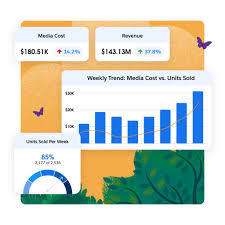
Introducing Marketing IntelligenceYour AI-powered marketing analytics solution built on the Salesforce Platform to enhance campaign performance and eliminate wasted spend. OverviewAccessing, harmonizing, and analyzing marketing data remains a highly manual and time-intensive process. Many marketers spend up to a week each month collecting, cleansing, and modeling data for reporting and analysis. As a result, nearly 41% of marketers’ time is consumed by repetitive tasks, leading to delayed performance reporting—when it’s too late to make optimizations that reduce waste and enhance customer value. Marketing Intelligence, our native Salesforce marketing analytics solution, addresses these challenges. Leveraging Data Cloud, Agentforce, Einstein AI, and Tableau Next, it continuously integrates, harmonizes, and transforms third-party marketing performance data into actionable insights—enabling marketers to optimize campaign spend and performance effortlessly. How Marketing Intelligence WorksMarketing Intelligence empowers marketers to seamlessly manage, analyze, and act on performance data—ensuring data-driven decisions that maximize ROI with minimal manual effort. Manage Your Data Marketing Intelligence automates data management with prebuilt connectors, AI-powered enrichment, and a marketing-specific semantic data model. Marketers can connect and harmonize performance data in just three clicks. See a full demo Understand Your Data Marketing Intelligence accelerates insights with out-of-the-box dashboards, built-in attribution reporting, and Agentforce-powered campaign optimization. Act on Your Data Leverage Agentforce to autonomously optimize campaigns around your business goals, 24/7. “We see potential with the future of Marketing Intelligence to drive faster results and deeper analysis by utilizing AI and Agentforce to enhance the platform’s analytical capabilities.”— Spike Therrien, Performance Marketing Lead, Land O’Lakes What’s NextWe’re expanding our unified data and Agentforce capabilities to provide a holistic view of marketing performance across paid, owned, and earned media—directly within the app. Upcoming enhancements include: Stay ahead of the curve with Marketing Intelligence—your AI-powered marketing analytics solution designed to drive efficiency and maximize campaign impact. Like1 Related Posts Who is Salesforce? Who is Salesforce? Here is their story in their own words. From our inception, we’ve proudly embraced the identity of Read more Salesforce Marketing Cloud Transactional Emails Salesforce Marketing Cloud Transactional Emails are immediate, automated, non-promotional messages crucial to business operations and customer satisfaction, such as order Read more Salesforce Unites Einstein Analytics with Financial CRM Salesforce has unveiled a comprehensive analytics solution tailored for wealth managers, home office professionals, and retail bankers, merging its Financial Read more AI-Driven Propensity Scores AI plays a crucial role in propensity score estimation as it can discern underlying patterns between treatments and confounding variables Read more
Read More
advanced analytics

Maximizing Sales Performance with Salesforce Sales Analytics

Salesforce, a leading CRM platform, provides powerful sales analytics tools that empower businesses to make data-driven decisions, boost productivity, and drive revenue growth. This guide highlights the importance of Salesforce Sales Analytics, its key features, and how to leverage them to optimize your sales team’s performance. Key Features of Salesforce Sales Analytics 1. Reports and Dashboards Salesforce’s reporting capabilities enable users to create custom dashboards and reports for real-time insights into lead conversion, sales performance, and other critical metrics. These visual tools help businesses track trends and make informed decisions effortlessly. 2. Einstein Analytics Powered by AI and machine learning, Einstein Analytics offers: 3. Sales Cloud Analytics Sales Cloud Analytics helps businesses: 4. Forecasting Tools Salesforce’s AI-powered forecasting tools provide accurate revenue projections by analyzing: How Different Teams Benefit from Sales Analytics ✅ Executives – Gain a high-level view of sales, service, and pipeline performance with real-time dashboards highlighting key business metrics. ✅ Sales Managers – Monitor team performance, track quota attainment, analyze pipeline changes, and optimize sales cycles to accelerate deal closures. ✅ Sales Representatives – Get insights into personal sales performance, pipeline activities, and quota attainment, allowing for quicker decision-making and identification of new business opportunities. ✅ Operations Teams – Analyze sales performance by customer, region, and source to optimize negotiation strategies and business development efforts. Setting Up the Salesforce Sales Analytics App 1. Launch Analytics Studio Navigate to Analytics Studio via the Sales Home page and click on the Apps button. 2. Search for Sales Analytics If the Sales Analytics App does not appear by default, use the search bar to locate it. 3. Access the Default Dashboard The default dashboard provides key metrics, including: 4. Customize Widgets Modify data representation by selecting the Edit button and customizing widgets to align with your business needs. 5. Adjust Goal Widgets Update goal widgets to match your sales targets and business objectives. 6. Explore Additional Dashboards Salesforce offers role-specific dashboards for Sales Managers, Executives, and other stakeholders to gain tailored insights. 7. Utilize the Lens Feature for Visualizations Leverage Lens to create object-specific visualizations, such as opportunities by time, stage, owner, and more. Conclusion Integrating Salesforce Sales Analytics with Tableau CRM creates a comprehensive Business Intelligence (BI) solution. However, businesses looking for a simpler or more cost-effective alternative may consider exporting Salesforce data into third-party analytics platforms for additional flexibility and ease of use. By leveraging Salesforce Sales Analytics, businesses can enhance forecasting, improve decision-making, and drive sales performance with real-time insights. Like1 Related Posts Who is Salesforce? Who is Salesforce? Here is their story in their own words. From our inception, we’ve proudly embraced the identity of Read more Salesforce Marketing Cloud Transactional Emails Salesforce Marketing Cloud Transactional Emails are immediate, automated, non-promotional messages crucial to business operations and customer satisfaction, such as order Read more Salesforce Unites Einstein Analytics with Financial CRM Salesforce has unveiled a comprehensive analytics solution tailored for wealth managers, home office professionals, and retail bankers, merging its Financial Read more AI-Driven Propensity Scores AI plays a crucial role in propensity score estimation as it can discern underlying patterns between treatments and confounding variables Read more

Read More
Prioritize Data Quality

Prioritize Data Quality

Prioritize Data Quality: Strengthening Governance for AI and Business Success 86% of analytics and IT leaders agree: AI’s effectiveness depends on the quality of its data inputs. High data quality brings organizations closer to data maturity and AI success—and it all starts with strong data governance. 🔹 92% of analytics and IT leaders say there’s never been a greater need for trustworthy data.📊 The State of Data and Analytics Report, 2023 Building a Strong Data Governance Strategy Data governance is more than compliance—it’s a structured approach to managing data quality, security, and usability. With the right governance in place, teams gain confidence in their data, leading to smarter decision-making and a culture of trust. Follow these six steps to lay the foundation for a successful governance strategy: 1. Align Governance Policies with Business Needs Meet with stakeholders to understand how data is used across teams. Ensure governance policies cover every critical workflow and use case, helping teams get the data they need—accurately and securely. 2. Define What ‘Data Quality’ Means for Your Organization Create a clear framework using these key data quality dimensions: ✅ Completeness: Are all necessary data fields populated?✅ Timeliness: Is data up to date and aligned with business goals?✅ Validity: Does data comply with governance rules and constraints?✅ Usage: How frequently is the data used for reporting and decision-making?✅ Accuracy: Does the data reflect reality, and is it sourced from trusted origins?✅ Consistency: Are data formatting and structure standardized across sources?✅ Reliability: Has data maintained quality and consistency over time? 3. Implement a Robust Quality Control Process Standardized processes—data entry validation, deduplication, cleansing, and archiving—are essential for governance. Leverage AI-powered tools like Tableau CRM Analytics to automate these tasks with built-in data profiling and enrichment features. 4. Schedule Regular Governance Reviews Your business evolves—your governance strategy should too. Establish a review cadence to assess policies, update processes, and address new data challenges. 5. Train Teams on Data Security and Compliance Education is key. Assign role-based security permissions, ensure regulatory compliance, and provide a clear process for reporting data issues (e.g., a dedicated Slack channel or help desk). 6. Define Success with Data Governance KPIs Tracking governance effectiveness is essential. Use these key metrics to measure impact: Metric Example of Smart KPI How to Track Data Quality Improve overall data quality by 4% per quarter. Assign values to frequency, error rates, and data usage. Data Usage Increase customer data-driven decision-making by 30% in 12 months. Measure employee logins, reports accessed, and data utilization. Time-to-Insight Reduce time from customer action → dashboard update to 10 minutes by next quarter. Track time-to-insight vs. benchmarks. Moving Up the Data Maturity Curve A well-governed data strategy leads to: 📈 Higher efficiency in decision-making🚀 More successful AI and analytics initiatives🏆 Competitive advantage through trustworthy data 🔍 “Ascending the data maturity curve unlocks new efficiencies and a competitive edge.”— Funke Bishi, Associate Director, Data and Business Analysis, RBC Capital Markets Take Action: Strengthen Your Data Governance ✅ Define what ‘quality data’ means for your business.✅ Align governance policies with team needs.✅ Use AI-powered tools like Tableau Data Prep for automated cleansing.✅ Train leaders on data best practices and compliance. Like Related Posts Who is Salesforce? Who is Salesforce? Here is their story in their own words. From our inception, we’ve proudly embraced the identity of Read more Salesforce Marketing Cloud Transactional Emails Salesforce Marketing Cloud Transactional Emails are immediate, automated, non-promotional messages crucial to business operations and customer satisfaction, such as order Read more Salesforce Unites Einstein Analytics with Financial CRM Salesforce has unveiled a comprehensive analytics solution tailored for wealth managers, home office professionals, and retail bankers, merging its Financial Read more AI-Driven Propensity Scores AI plays a crucial role in propensity score estimation as it can discern underlying patterns between treatments and confounding variables Read more

Read More
Aligning Strategy and Goals

Aligning Strategy and Goals

Aligning Strategy and Goals: Bridging the Gap Between Data and Business Success Aligning data strategy with business goals is critical—but easier said than done. 41% of business leaders report that their data strategy is only partially or not at all aligned with their objectives. Here’s how to close the gap and make data a true driver of business success. 1. Define Your Business Goals Collaboration between business and IT stakeholders is essential. Start by identifying and prioritizing objectives that drive success, such as revenue growth, customer satisfaction, cost reduction, and market expansion. Business Goal How Data Supports It Revenue Growth Use analytics to identify high-value customers and optimize marketing strategies for higher conversions. Customer Satisfaction Leverage trusted customer data to personalize experiences and improve engagement. Cost Reduction Analyze operational data to streamline processes and improve efficiency. Market Expansion Use market and customer insights to identify new growth opportunities. 2. Determine Key Metrics Once goals are clear, define key performance indicators (KPIs) to measure progress. Business Goal Key Metric Revenue Growth Conversion Rate: Measures the percentage of leads converted into paying customers. Customer Satisfaction Retention Rate: Tracks the percentage of returning customers over time. Cost Reduction Operational Efficiency Ratio: Compares operational costs to revenue. Market Expansion Customer Acquisition Rate: Measures the rate of new customer growth. 3. Assess Resources and Budget Evaluate whether you have the systems, tools, and budget needed to support your goals. If customer personalization is a priority, you may need solutions like Data Cloud to unify and leverage customer insights. A strong CRM or data analytics platform may also be required to track specific KPIs. 4. Build a Data-Driven Culture Data maturity is not just about tools—it’s about people. Empower teams with the skills, training, and mindset to leverage data effectively. Change management initiatives and ongoing education will help integrate data into daily decision-making. See how F5 is building a data-driven culture with Tableau:“Data has been transforming our corporate culture right before our eyes. Every day, I wake up learning something new about data.”— Amie Bright, Former RVP of Enterprise Data Strategy and Insights, F5 5. Align Teams for Success Use this handy checklist to ensure alignment across your organization: ✅ Collaborate with business and IT teams to define and prioritize objectives.✅ Develop key data KPIs in partnership with internal stakeholders.✅ Survey team leaders to assess the tools, systems, and budgets needed.✅ Invest in training and change management to build a data-driven culture.✅ Join a data leadership community to gain insights and best practices. Want to accelerate your data strategy? Reach out to Tectonic to get started today. Like Related Posts Who is Salesforce? Who is Salesforce? Here is their story in their own words. From our inception, we’ve proudly embraced the identity of Read more Salesforce Marketing Cloud Transactional Emails Salesforce Marketing Cloud Transactional Emails are immediate, automated, non-promotional messages crucial to business operations and customer satisfaction, such as order Read more Salesforce Unites Einstein Analytics with Financial CRM Salesforce has unveiled a comprehensive analytics solution tailored for wealth managers, home office professionals, and retail bankers, merging its Financial Read more AI-Driven Propensity Scores AI plays a crucial role in propensity score estimation as it can discern underlying patterns between treatments and confounding variables Read more

Read More
Achieving AI Success Starts with Data Maturity

Achieving AI Success Starts with Data Maturity

True AI success depends on data maturity. But what does that mean in practice? Organizations with high data maturity: The Path to Data Maturity Reaching data maturity requires a strategic commitment to: ✅ Develop a unified data strategy that aligns business and data teams toward common goals.✅ Implement strong data management and governance to ensure accuracy and trust.✅ Leverage advanced data solutions to transform raw data into actionable insights.✅ Prioritize security and compliance to protect data from breaches.✅ Foster a data-driven culture where every employee has the skills to analyze and act on insights. See How John Lewis & Partners Unlocks AI + Data-Driven Personalization “Investing in Salesforce has enabled us to make decisions faster and develop deeper relationships with our customers by providing a more personalized, convenient, and seamless customer experience.” — Libby Hickey, Tableau Product Manager, John Lewis & Partners Assess Your Data Maturity Ready to accelerate your data transformation? 📊 Take the free assessment to: Start your data maturity journey today. Contact Tectonic. Like Related Posts Who is Salesforce? Who is Salesforce? Here is their story in their own words. From our inception, we’ve proudly embraced the identity of Read more Salesforce Marketing Cloud Transactional Emails Salesforce Marketing Cloud Transactional Emails are immediate, automated, non-promotional messages crucial to business operations and customer satisfaction, such as order Read more Salesforce Unites Einstein Analytics with Financial CRM Salesforce has unveiled a comprehensive analytics solution tailored for wealth managers, home office professionals, and retail bankers, merging its Financial Read more AI-Driven Propensity Scores AI plays a crucial role in propensity score estimation as it can discern underlying patterns between treatments and confounding variables Read more

Read More
agetnforce for nonprofits

TDX Announcements for Agentforce

Salesforce Expands Agentforce AI, Strengthening Its Lead in Agentic AI Salesforce’s latest updates to its agentic AI platform, Agentforce, are set to elevate its position in the competitive AI market, potentially outpacing enterprise application rivals and hyperscalers like AWS, Google, IBM, ServiceNow, and Microsoft. The updates, introduced under Agentforce 2dx, enhance orchestration, development, testing, and deployment capabilities. According to Arnal Dayaratna, vice president of research at IDC, these advancements could propel Salesforce ahead of its competition in a manner similar to OpenAI’s early dominance in large language models (LLMs). Agentforce API Expands Platform Extensibility A key enhancement in Agentforce 2dx is the Agentforce API, designed to improve extensibility and facilitate the seamless integration of agentic AI technologies into digital solutions. “Without an API, all AI agentic capabilities remain locked into the Agentforce platform,” explained Jason Andersen, principal analyst at Moor Insights & Strategy. “The API allows enterprises to build apps and agents with whatever they want.” Dion Hinchcliffe, CIO practice lead at The Futurum Group, sees this as a strategic move to drive adoption by removing usage constraints. While companies like Google and Microsoft have already introduced similar APIs, Salesforce differentiates itself by leveraging its deep CRM expertise, customer data, and business logic integration. “AI agents need contextual data to act effectively,” said Hinchcliffe. “While competitors will likely improve their integrations, Salesforce’s extensive background in business logic and automation will be difficult to match quickly.” Accelerating Enterprise Adoption with New Features Beyond the API, Agentforce 2dx includes enhancements like the Topic Center, MuleSoft integrations, Tableau Semantics, and Slack integrations, aimed at simplifying custom agent development, workflow integration, and deployment. Empowering Developers to Scale Agentic AI Salesforce is also focusing on developers with tools that provide greater control over agent creation, testing, and deployment. Key updates include: “Salesforce is encouraging hands-on experimentation, a strategy commonly used by cloud service providers,” said Cameron Marsh, senior analyst at Nucleus Research. Andersen sees this as a bold move in the SaaS market, positioning Salesforce as a direct competitor to Azure, AWS, and Google Cloud, which also offer developer-centric AI tools. Additionally, Salesforce introduced Testing Center, a low-code tool for enterprises to test agents before deployment. Scaling AI Agent Deployments with Confidence Hyoun Park, chief analyst at Amalgam Insights, emphasized the importance of these tools for scaling AI deployments. “One of the biggest challenges in agentic AI is simulating and testing interactions at scale,” Park noted. “With these capabilities, companies no longer need to manually test or build custom tools to manage AI agents.” Proven Market Traction Salesforce reports it has secured 5,000 deals with Agentforce, with customers like The Adecco Group, Engine, OpenTable, Oregon Humane Society, Precina, and Vivint already seeing immediate value. With Agentforce 2dx, Salesforce is reinforcing its leadership in agentic AI, giving enterprises more control, scalability, and integration capabilities to drive innovation in AI-powered automation. Like Related Posts Who is Salesforce? Who is Salesforce? Here is their story in their own words. From our inception, we’ve proudly embraced the identity of Read more Salesforce Marketing Cloud Transactional Emails Salesforce Marketing Cloud Transactional Emails are immediate, automated, non-promotional messages crucial to business operations and customer satisfaction, such as order Read more Salesforce Unites Einstein Analytics with Financial CRM Salesforce has unveiled a comprehensive analytics solution tailored for wealth managers, home office professionals, and retail bankers, merging its Financial Read more AI-Driven Propensity Scores AI plays a crucial role in propensity score estimation as it can discern underlying patterns between treatments and confounding variables Read more
Read More
AI Data Cloud and Integration

It is Time to Implement Data Cloud

With Salesforce Data Cloud you can: With incomplete data your 360-degree customer view is limited and often leads to multiple sales reps working on the same lead. Slow access to the right leads at the right time leads to missed opportunties and delayed closings. If your team cannot trust the data due to siloes and inaccuracies, they avoid using it. It is Time to Implement Data Cloud. Unified Connect and harmonize data from all your Salesforce applications and external data systems. Then activate your data with insights and automation across every customer touchpoint. Powerful With Data Cloud and Agentforce, you can create the most intelligent agents possible, giving them access to the exact data they need to deliver any employee or customer experience. Secure Securely connect your data to any large language model (LLM) without sacrificing data governance and security thanks to the Einstein 1 trust layer. Open Data Cloud is fully open and extensible – bring your own data lake or model to reduce complexity and leverage what’s already been built. Plus, share out to popular destinations like Snowflake, Google Ads, or Meta Ads. Salesforce Data Cloud is the only hyperscale data engine native to Salesforce. It is more than a CDP. It goes beyond a data lake. You can do more with Data Cloud. Your Agentforce journey begins with Data Cloud. Agents need the right data to work. With Data Cloud, you can create the most intelligent agents possible, giving them access to the exact data they need to deliver any employee or customer experience. Use any data in your organization with Agentforce in a safe and secure manner thanks to the Einstein 1 Trust Layer. Datablazers are Salesforce community members who are passionate about driving business growth with data and AI powered by Data Cloud. Sign up to join a growing group of members to learn, connect, and grow with Data Cloud. Join today. The path to AI success begins and ends with quality data. Business, IT, and analytics decision makers with high data maturity were 2x more likely than low-maturity leaders to have the quality data needed to use AI effectively, according to our State of Data and Analytics report. “What’s data maturity?” you might wonder. Hang tight, we’ll explain in chapter 1 of this guide. Data-leading companies also experience: Your data strategy isn’t just important, it’s critical in getting you to the head of the market with new AI technology by your side. That’s why this Salesforce guide is based on recent industry findings and provides best practices to help your company get the most from your data. Tectonic will be sharing a focus on the 360 degree customer view with Salesforce Data Cloud in our insights. Stay tuned. It is Time to Implement Data Cloud Like Related Posts Who is Salesforce? Who is Salesforce? Here is their story in their own words. From our inception, we’ve proudly embraced the identity of Read more Salesforce Marketing Cloud Transactional Emails Salesforce Marketing Cloud Transactional Emails are immediate, automated, non-promotional messages crucial to business operations and customer satisfaction, such as order Read more Salesforce Unites Einstein Analytics with Financial CRM Salesforce has unveiled a comprehensive analytics solution tailored for wealth managers, home office professionals, and retail bankers, merging its Financial Read more AI-Driven Propensity Scores AI plays a crucial role in propensity score estimation as it can discern underlying patterns between treatments and confounding variables Read more

Read More
gettectonic.com