Transforming Crisis Management with Intelligent Technology
In high-pressure disaster scenarios where every second counts, AI is emerging as a force multiplier for response teams. From predictive analytics to real-time decision support, artificial intelligence is revolutionizing how organizations prepare for, manage, and recover from catastrophic events. Here are seven pivotal areas where AI delivers measurable impact across the disaster lifecycle.
Here is a new Public Sector Solution from AI
1. Predictive Scenario Planning & Stress Testing
AI Advantage: Dynamically generates realistic disaster simulations
- Creates multi-variable tabletop exercises covering rare but plausible scenarios
- Conducts automated full-interruption testing without operational risk
- Continuously updates scenarios based on global incident data
Example: AI models simulating 500% traffic spikes during regional outages help optimize CDN configurations
2. Autonomous Response Systems
AI Advantage: Subsecond reaction times with precision execution
- Automated failover triggering between geographic regions
- Intelligent data replication balancing speed vs. integrity
- Self-healing infrastructure with predefined recovery workflows
Case Study: A financial institution reduced MTTR from 47 minutes to 89 seconds using AI-driven automation
3. Intelligent Log Analysis & Threat Detection
AI Advantage: Pattern recognition across petabyte-scale telemetry
- Correlates security events across hybrid cloud environments
- Detects anomalous patterns signaling impending failures
- Prioritizes incidents by business impact severity
Statistic: AI-augmented SOC teams identify breaches 58% faster (IBM Security 2023 Report)
4. Crisis Communication Orchestration
AI Advantage: Multi-channel coordination at scale
- Dynamic notification routing based on stakeholder roles
- Sentiment-aware messaging adjustments
- Chatbots handling 80% of routine status inquiries
Implementation: Natural language generation creates localized emergency alerts in 37 languages simultaneously
5. Real-Time Situational Awareness
AI Advantage: Fusion of disparate data streams
- Processes satellite imagery, IoT sensors, social media
- Predicts secondary disaster effects (power grid failures, supply chain disruptions)
- Generates live damage assessment maps
Technology: Computer vision analyzes 10,000+ aerial images/hour to pinpoint hardest-hit areas
6. Resource Optimization Engine
AI Advantage: Calculates optimal recovery sequences
- Determines service restoration priorities using dependency mapping
- Balances technical constraints with business requirements
- Dynamically adjusts to newly discovered damage
Metric: Enterprises using AI prioritization recover revenue-generating systems 3.2x faster
7. Continuous Improvement Loop
AI Advantage: Institutionalizes lessons learned
- Analyzes post-mortem reports across industries
- Identifies emerging threat patterns
- Recommends plan updates through simulation benchmarking
Outcome: Organizations reduce recurring incidents by 41% year-over-year
Implementation Roadmap
- Start Small – Pilot AI monitoring for early warning systems
- Build Trust – Validate outputs against historical incidents
- Human-in-the-Loop – Maintain expert oversight for critical decisions
- Stress Test – Conduct quarterly AI-assisted disaster drills
- Iterate – Feed real incident data back into training models
The Future of AI in Disaster Response
Emerging capabilities include:
- Digital twin simulations for urban resilience planning
- Predictive evacuation routing using real-time crowd dynamics
- Autonomous damage assessment drones with repair recommendations
While AI won’t replace human judgment in crises, it’s becoming an indispensable force multiplier. Organizations adopting these tools gain measurable advantages in response speed, resource efficiency, and long-term resilience building. The key lies in strategic implementation – using AI where it excels while maintaining human oversight where nuance matters most.


Who is Salesforce? Here is their story in their own words. From our inception, we've proudly embraced the identity of Read more

Salesforce has unveiled a comprehensive analytics solution tailored for wealth managers, home office professionals, and retail bankers, merging its Financial Read more
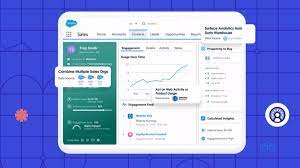
AI plays a crucial role in propensity score estimation as it can discern underlying patterns between treatments and confounding variables Read more

Salesforce Technology Services Integrator - Tectonic has successfully delivered Salesforce in a variety of industries including Public Sector, Hospitality, Manufacturing, Read more