
Field Service Mobile Data Capture Using Discovery Framework
Offline-Capable Dynamic Forms for Field Teams
Transform field service operations with intelligent, structured data collection powered by Salesforce’s Discovery Framework. This solution enables:
✔ Offline functionality – Capture data without internet connectivity
✔ Dynamic forms – Build responsive question flows in Flow Builder
✔ Centralized question bank – Reuse and version assessment questions
✔ Full audit trail – Track all form submissions and revisions
Solution Capabilities
Key Features
- Mobile Access: Field technicians access forms via:
- Work Order Overview Forms tab
- Service Appointment related lists
- Work Order Line Item records
- Flexible Deployment:
- Available in Lightning Experience
- Supported in Enterprise, Unlimited, and Developer Editions
- Requires Field Service and Discovery Framework licenses
- Data Integrity Controls:
- Assessment Staged Data records for error correction
- Version-controlled question library
- Type-safe question-to-component mapping
Implementation Guide
Prerequisites
- Industries Cloud environment (not available for non-Industries orgs)
- Field Service Mobile license
- Discovery Framework permissions:
- Create/Manage Assessment Questions
- Access Data Capture Flows
Setup Process
- Design Assessment Questions
- Create reusable question bank in Discovery Framework
- Supported data types map to Flow Builder components
- Build Data Capture Flows
- Use “Discovery Framework Data Capture Flow” process type
- Configure conditional logic and branching
- Deploy to Field Service Mobile
- Associate flows with:
- Work Order templates
- Service Appointment types
- Product/Service line items
- Associate flows with:
- Validate Offline Functionality
- Test form submission without connectivity
- Verify automatic sync when back online
Technical Considerations
Supported Data Types
| Discovery Framework Type | Flow Component | Use Case Example |
|---|---|---|
| Single-Select Picklist | Radio Buttons | Equipment Condition |
| Multi-Select Picklist | Checkbox Group | Required Repairs |
| Number | Input Field | Measurement Reading |
| Date | Date Picker | Service Completion |
| Text | Text Area | Customer Feedback |
Error Handling
- Assessment Staged Data objects:
- Flag incomplete/invalid submissions
- Enable field edits before final approval
- Maintain revision history
Mobile User Experience
Field technicians can:
- Launch forms directly from work orders
- Complete assessments offline
- Submit with automatic queuing when offline
- Review and correct flagged submissions
- Access previous form versions as needed
Best Practices
- Question Design
- Standardize response options across similar forms
- Use conditional questions to reduce form length
- Performance Optimization
- Limit complex branching for offline use
- Pre-cache frequently used forms
- Change Management
- Communicate new form versions to field teams
- Provide offline reference materials for new questions
“Since implementing Discovery Framework forms, our first-time fix rate improved by 28% because technicians now capture complete information upfront,” reports Jessica Tan, Field Ops Director at Contoso Industrial.

Who is Salesforce? Here is their story in their own words. From our inception, we've proudly embraced the identity of Read more

Salesforce Marketing Cloud Transactional Emails are immediate, automated, non-promotional messages crucial to business operations and customer satisfaction, such as order Read more

Salesforce has unveiled a comprehensive analytics solution tailored for wealth managers, home office professionals, and retail bankers, merging its Financial Read more
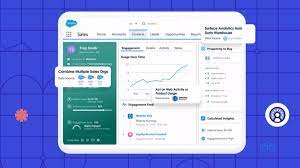
AI plays a crucial role in propensity score estimation as it can discern underlying patterns between treatments and confounding variables Read more