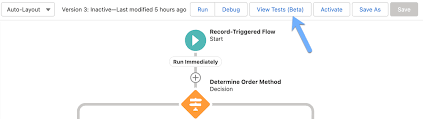
Hello, Salesforce Flow. Goodbye, Workflow Rules and Process Builder.
As Bob Dylan famously sang, “The times they are a-changin’.” If your nonprofit is still relying on Workflow Rules and Process Builder to automate tasks in Salesforce, it’s time to prepare for change. These tools are being retired, but there’s no need to panic—Salesforce Flow, a more powerful, versatile automation tool, is ready to take the lead.
Why Move to Salesforce Flow?
Salesforce is consolidating its automation features into one unified platform: Flow. This shift comes with significant benefits for nonprofits:
- Greater Power and Flexibility:
Flow enables you to create sophisticated automations that go beyond the limitations of Workflow Rules and Process Builder. - Streamlined User Experience:
With drag-and-drop functionality and an array of pre-built components, Flow offers a more intuitive interface. - Enhanced Efficiency:
Flow reduces the number of steps required to automate processes, saving your organization time and resources.
What This Means for Nonprofits
While existing Workflow Rules and Process Builders will still function for now, Salesforce plans to end support by December 31, 2025. This means no more updates or bug fixes, and unsupported automations could break unexpectedly soon after the deadline. To avoid disruptions, nonprofits should start migrating their automations to Flow sooner rather than later.
How to Transition to Salesforce Flow
Resources to Simplify Migration:
- Migration Tools: Salesforce offers tools to help convert existing Workflow Rules and Process Builders into Flows.
- Trailhead Modules: Salesforce’s free Trailhead platform provides step-by-step tutorials on mastering Flow.
- Community Support: Salesforce’s vibrant community forums are excellent resources for tips and troubleshooting.
- Expert Guidance: Partner with organizations like BackOffice Thinking for expert help in planning, migrating, and optimizing your Flows.
Planning Your Migration:
Start by auditing your existing automations to determine which Workflow Rules and Process Builders need to be transitioned. Think strategically about how to improve processes and leverage Flow’s expanded capabilities.
What Can Flow Do for Your Nonprofit?
Salesforce Flow empowers nonprofits to automate processes in innovative ways:
- Automated Donor Acknowledgments: Personalize thank-you emails based on donation history and preferences.
- Task Management: Assign tasks, set deadlines, and send reminders to staff.
- Major Gift Cultivation: Track donor interactions and automate follow-ups or proposal creation.
- And More: From managing volunteer schedules to streamlining event logistics, Flow has endless possibilities.
Don’t Go It Alone
Transitioning to Salesforce Flow may seem overwhelming, but it’s a chance to elevate your nonprofit’s automation capabilities. Whether you need help with migration tools, strategic planning, or Flow development, you don’t have to do it alone.
Reach out to our support team or contact us to get started. Together, we can make this transition seamless and set your nonprofit up for long-term success with Salesforce Flow.
🔔🔔 Follow us on LinkedIn 🔔🔔
Who is Salesforce? Here is their story in their own words. From our inception, we've proudly embraced the identity of Read more
Salesforce Marketing Cloud Transactional Emails are immediate, automated, non-promotional messages crucial to business operations and customer satisfaction, such as order Read more

Salesforce has unveiled a comprehensive analytics solution tailored for wealth managers, home office professionals, and retail bankers, merging its Financial Read more
AI plays a crucial role in propensity score estimation as it can discern underlying patterns between treatments and confounding variables Read more