Advertising Archives - gettectonic.com - Page 4
Google Analytics 4 UTM Codes

Google Analytics 4 UTM Codes

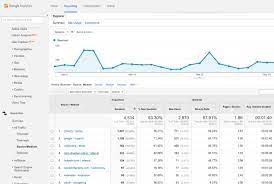
How to Generate UTM Codes Generating Google Analytics 4 UTM Codes can be done in several ways. A common method is using Google’s Campaign URL Builder, where you enter your original URL and add the desired UTM parameters. Alternatively, tools like Measureschool’s UTM Tool in Google Sheets or other free online tools can also be used to create UTM codes. Viewing UTM Data in Google Analytics 4 In Google Analytics 4 (GA4), UTM data is found in the standard Acquisition reports. Specifically, you can view this data in the Acquisition Overview, User Acquisition: First User Default Channel Grouping, and Traffic Acquisition reports. Additionally, the Explore section in GA4 allows for the creation of custom reports using UTM data. Best Practices for UTM Tagging When using UTM tags, consider the following best practices: Google Analytics 4 UTM Codes allows you to better track your customer journeys and measure ROI on your advertising and search engine optimization efforts. Like1 Related Posts Who is Salesforce? Who is Salesforce? Here is their story in their own words. From our inception, we’ve proudly embraced the identity of Read more Salesforce Marketing Cloud Transactional Emails Salesforce Marketing Cloud Transactional Emails are immediate, automated, non-promotional messages crucial to business operations and customer satisfaction, such as order Read more Salesforce Unites Einstein Analytics with Financial CRM Salesforce has unveiled a comprehensive analytics solution tailored for wealth managers, home office professionals, and retail bankers, merging its Financial Read more AI-Driven Propensity Scores AI plays a crucial role in propensity score estimation as it can discern underlying patterns between treatments and confounding variables Read more

Read More
data cloud and marketing cloud personalization

Data Cloud and Marketing Cloud Personalization

Choosing the correct Customer Data Platform (CDP) for your organization is crucial for adapting to challenges and capitalizing on opportunities in the evolving marketing technology landscape. While AI, behavioral patterns, and infrastructure play pivotal roles in this decision-making process, it’s essential to understand the landscape. However, the same factors, including AI, behavioral habits, and infrastructure, can influence this decision. Data Cloud and Marketing Cloud Personalization together capture and utilize customer data. Selecting the right tools makes it easier to know and cater to your prospects and customers. Without them, you are firing into the darkness. You must understand the necessary infrastructure for a marketing technology team to meet challenges and leverage new opportunities. It integrates four essential AdTech (Advertising Technology) principles applicable to MarTech in the evolving landscape. The external market poses challenges, notably the discontinuation of third-party cookies by major browsers like Google. This shift impacts prospecting and underscores the significance of first-party data. The rise of AI, exemplified by technologies like ChatGPT and integrated into platforms like Salesforce’s Einstein, further complicates the landscape. The AI era raises concerns about data usage and collection, employment risks, and the ethical consideratins. Organizations rush to incorporate AI, with Salesforce introducing Einstein GPT shortly after the emergence of ChatGPT. In this dynamic environment, organizations grapple with managing diverse data sources, implementing AI/ML, and ensuring privacy. AdTech principles become imperative in MarTech for effective targeting, personalization, and measurement. The focus shifts to the role of a Customer Data Platform (CDP) within the MarTech stack. Distinguishing between Data Management Platforms (DMPs), CDPs, Data Warehouses, and Data Lakes sets the stage. The article explores three CDP types: Enterprise, Event-Based, and Real-Time Personalization. The significance of a Customer Data Platform (CDP) like Salesforce’s Data Cloud cannot be stressed enough. Bear in mind there are differences between DMPs, CDPs, Data Warehouses, and Data Lakes, each with their own use cases. And for your situation a DMP, Data Warehouse, or Data Lake might be required. Salesforce’s CDP platform undergoes scrutiny, aligning its features with AdTech principles. Read more about Tectonic’s thoughts on Data Cloud here. The CDP’s contribution to targeting, personalization, and both deterministic and probabilistic measurement is detailed. Salesforce’s Data Cloud and Marketing Cloud Personalization (Interaction Studio) emerge as solutions catering to distinct needs. In conclusion we must underscore the criticality of choosing the right CDP for organizational resilience, superior customer experiences, and addressing privacy concerns. A robust infrastructure facilitates efficient data management, collaboration, and scalability, empowering organizations to make informed decisions with AI/ML and business intelligence. #data-cloud-and-marketing-cloud-personalization Like2 Related Posts Who is Salesforce? Who is Salesforce? Here is their story in their own words. From our inception, we’ve proudly embraced the identity of Read more Salesforce Marketing Cloud Transactional Emails Salesforce Marketing Cloud Transactional Emails are immediate, automated, non-promotional messages crucial to business operations and customer satisfaction, such as order Read more Salesforce Unites Einstein Analytics with Financial CRM Salesforce has unveiled a comprehensive analytics solution tailored for wealth managers, home office professionals, and retail bankers, merging its Financial Read more AI-Driven Propensity Scores AI plays a crucial role in propensity score estimation as it can discern underlying patterns between treatments and confounding variables Read more
Read More
Salesforce Campaigns

Salesforce Campaign Types

Customizing Campaign Types in Salesforce The Type field on a campaign specifies the method or channel used, such as Direct Mail or Referral Program. To better align with your marketing strategies, you can customize the picklist values for this field. By doing so, marketers can track campaign performance and compare how different campaign types are performing. Default Campaign Type Values Salesforce provides default values for the Type field, including: Customizing and Organizing Campaign Types To tailor campaign tracking for your business, you can:✅ Modify the Type picklist values to reflect your marketing channels.✅ Create dependent picklists to define subcategories for your campaigns.✅ Limit picklist values to 10 or fewer for better organization. Example: If your company places advertisements in various formats, you can keep Advertising as the main campaign type and create a dependent picklist with subcategories like Billboards, Transit, Print, and Digital. You could further refine Digital into Social Media vs. Traditional Websites with a second-level dependent picklist. Managing Picklist Access with Record Types The Record Type field controls which picklist values are available to specific user groups. If you plan to manage access this way, set up record types before configuring picklist values. 📌 For more details: Tailor Business Processes to Different Users Using Record Types How to Customize Campaign Types 1️⃣ Go to Setup 2️⃣ Select Campaign → Fields & Relationships 3️⃣ Find and select the Type field 4️⃣ Edit the picklist values 5️⃣ Create dependent picklists (optional) By customizing campaign types, you can ensure a more structured and insightful way to track marketing efforts in Salesforce Lightning Experience and Salesforce Classic. Like Related Posts Who is Salesforce? Who is Salesforce? Here is their story in their own words. From our inception, we’ve proudly embraced the identity of Read more Salesforce Marketing Cloud Transactional Emails Salesforce Marketing Cloud Transactional Emails are immediate, automated, non-promotional messages crucial to business operations and customer satisfaction, such as order Read more Salesforce Unites Einstein Analytics with Financial CRM Salesforce has unveiled a comprehensive analytics solution tailored for wealth managers, home office professionals, and retail bankers, merging its Financial Read more AI-Driven Propensity Scores AI plays a crucial role in propensity score estimation as it can discern underlying patterns between treatments and confounding variables Read more
Read More
Custom Campaign Types

Custom Campaign Types

Customizing Campaign Types in Salesforce The Type field in your campaigns indicates the overall method or channel used, such as Direct Mail or Referral Program. Customizing the picklist for this field helps to better organize the various campaign types your business runs. Marketers can use the Type field to track and compare the performance of different campaign methods, making it easier to optimize strategies. Available Editions User Permissions Required Default Values in the Type Field The Type field comes with a set of default values, including: Customizing Campaign Types Steps to Customize Campaign Types: Creating a Dependent Picklist You can also create dependent picklists to define subcategories under your main campaign types. Important Notes: How to Create a Dependent Type Picklist: Optimize Campaign Tracking By customizing and organizing campaign types, you can gain better insights into the effectiveness of various marketing strategies. Whether you’re using Lightning Experience or Salesforce Classic, tailoring campaign types helps you track performance and optimize future campaigns effectively. Like Related Posts Who is Salesforce? Who is Salesforce? Here is their story in their own words. From our inception, we’ve proudly embraced the identity of Read more Salesforce Marketing Cloud Transactional Emails Salesforce Marketing Cloud Transactional Emails are immediate, automated, non-promotional messages crucial to business operations and customer satisfaction, such as order Read more Salesforce Unites Einstein Analytics with Financial CRM Salesforce has unveiled a comprehensive analytics solution tailored for wealth managers, home office professionals, and retail bankers, merging its Financial Read more AI-Driven Propensity Scores AI plays a crucial role in propensity score estimation as it can discern underlying patterns between treatments and confounding variables Read more

Read More
Salesforce Data Cloud

Key Components of Salesforce Data Cloud

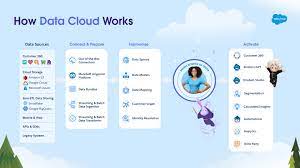
Salesforce Data Cloud organizes and unifies data across Salesforce and other external data sources.  After ingestion, it can drive personalization and engagement. Components of Salesforce Data Cloud to explore. Data Cloud expands Salesforce capabilities by using the best pieces of the developer-friendly Salesforce Platform and adding a highly scalable infrastructure. Data Cloud is an evolution of Customer Data Platform—which was originally designed for marketers but now caters to broader use cases beyond marketing.  The magic of Data Cloud is in creating experiences that wow customers. Key features and components of Salesforce Data Cloud include: Like Related Posts Who is Salesforce? Who is Salesforce? Here is their story in their own words. From our inception, we’ve proudly embraced the identity of Read more Salesforce Marketing Cloud Transactional Emails Salesforce Marketing Cloud Transactional Emails are immediate, automated, non-promotional messages crucial to business operations and customer satisfaction, such as order Read more Salesforce Unites Einstein Analytics with Financial CRM Salesforce has unveiled a comprehensive analytics solution tailored for wealth managers, home office professionals, and retail bankers, merging its Financial Read more AI-Driven Propensity Scores AI plays a crucial role in propensity score estimation as it can discern underlying patterns between treatments and confounding variables Read more

Read More
Salesforce Marketing Cloud Advertising Studio

How to Connect Pardot and Ad Studio in Salesforce

How to Establish Connectivity Between Pardot and Ad Studio-Connect Pardot and Ad Studio in Salesforce Requirements Connecting Pardot and Ad Studio involves tasks across Salesforce, Pardot, and Marketing Cloud. Unfortunately, it’s not a straightforward ‘plug and play’ solution and may necessitate a Salesforce Partner like Tectonic, especially for those less advanced in the platform. If you choose to proceed independently, ensure you meet the following requirements: If any of these requirements are not met, collaboration with other Salesforce admins and Pardot/Marketing Cloud users may be necessary to complete the following tasks. It is advisable to follow the tasks in order, as those within Salesforce and Pardot must be done before finalizing the setup in Marketing Cloud. Salesforce Tasks Pardot Tasks Decide how Pardot prospects sync with the Salesforce campaign. Options include: Choose a method based on your Pardot setup. For example, adding new subscribers to a LinkedIn advertising campaign using Automation Rules. Marketing Cloud Tasks Configuration involves three parts: The setup is now complete, and Pardot and Advertising Studio are connected. New prospects in Pardot added to the Salesforce campaign will automatically update the Advertising Audience based on the sync frequency set. Connect Pardot and Ad Studio in Salesforce Like Related Posts Salesforce Marketing Cloud Transactional Emails Salesforce Marketing Cloud Transactional Emails are immediate, automated, non-promotional messages crucial to business operations and customer satisfaction, such as order Read more Perfect Drip Campaign In an ideal world, you effortlessly conquer the lead generation challenges with one creative arm tied behind your back, craft Read more Salesforce Content Builder Salesforce Content Builder empowers you to craft compelling emails and landing page templates, complete with reusable and interactive content blocks. Read more Demandbase Salesforce Integration The integration of Demandbase with Salesforce creates a seamless connection between Demandbase One and your Salesforce CRM, establishing a bidirectional Read more

Read More
Data Collection

What is Personalization?

Understanding Personalization in Marketing At its core, personalization can be categorized into two main aspects: personalization for marketing and personalization for communication. This insight will delve into the realm of personalization for marketing, with a forthcoming discussion on personalization for communication. Marketing personalization is a strategy that uses data to target and retarget leads with a branded message that speak directly to specific customers’ interests, demographics, and known buying behavior. Marketing personalization is becoming increasingly expected by consumers. Customer Expectations Beyond meeting customer expectations, there’s a compelling business incentive behind utilizing personalization. When a significant portion of revenue (50%) stems from the top 10% of customers, and 90% of revenue originates from the top 20%, the imperative becomes clear—to retain and find more customers like the top performers. Personalization emerges as a potent tool, enabling the creation of tailored experiences that resonate with customers on an individual level, fostering enduring relationships with your brand. While the buzz around personalization might suggest it as the ultimate goal, it’s crucial to recognize it as an important means to an end. At its fundamental level, personalization involves utilizing customer data to make interactions more pertinent to them. Achieving personalization at scale requires a comprehensive understanding of all aspects related to your customers. Everywhere one looks, brands are embracing personalization, be it in targeted social media ads or the personalized greetings from the local coffee shop barista. Customers now expect personalized experiences, and recent technological advancements have expanded the horizons of where and how personalization can be implemented. Whether it’s through social media, website interactions, or email communication, audiences anticipate personalized experiences that make them feel valued. In a study, 71% of consumers expressed the expectation of personalized interactions, and 76% admitted frustration when this expectation isn’t met. Incorporating personalization into your marketing strategy is not just a trend but a necessity for enhancing customer engagement and driving conversions. Before delving into its implementation, understanding what marketing personalization entails is vital. What is Marketing Personalization? Marketing personalization is a strategic approach that leverages data to target and retarget leads with brand messages tailored to specific customers’ interests, demographics, and buying behavior. The goal is to make customers feel that the brand message is crafted exclusively for them, often referred to as one-to-one or individual marketing. Notable companies like Netflix, Amazon, and YouTube employ personalization through algorithms to automate product and content recommendations based on user behavior. This extends beyond digital channels, impacting customer loyalty in physical establishments such as hotels, cafes, or salons. Importance of Personalization The primary reason for adopting marketing personalization is meeting customer expectations. It is the difference between customers feeling directly addressed versus being just a number among the 1,700 advertisements they encounter monthly. Whether implementing personalization in specific aspects or transforming the entire marketing plan, businesses stand to gain in several ways: Marketing Personalization Trends Keeping up with evolving trends is crucial for effective marketing personalization: Like Related Posts Who is Salesforce? Who is Salesforce? Here is their story in their own words. From our inception, we’ve proudly embraced the identity of Read more Salesforce Marketing Cloud Transactional Emails Salesforce Marketing Cloud Transactional Emails are immediate, automated, non-promotional messages crucial to business operations and customer satisfaction, such as order Read more Salesforce Unites Einstein Analytics with Financial CRM Salesforce has unveiled a comprehensive analytics solution tailored for wealth managers, home office professionals, and retail bankers, merging its Financial Read more AI-Driven Propensity Scores AI plays a crucial role in propensity score estimation as it can discern underlying patterns between treatments and confounding variables Read more
Read More
What is Distributed Marketing in Salesforce

What is Distributed Marketing in Salesforce?

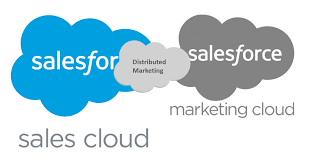
Distributed Marketing encompasses a suite of tools, workflows, and interfaces that enable users to access, interact with, and disseminate Marketing Cloud Engagement content seamlessly from within their CRM environment. It empowers users to effectively engage with their client base, whether individually or by segments. What is Distributed Marketing in Salesforce? Distributed marketing software, on the other hand, refers to the array of technology, tools, and platforms utilized by marketers to amplify personalized advertising and promotional content across various distribution channels. So, what sets Marketing Cloud apart from distributed marketing? In Marketing Cloud, configuring requires administrative privileges and the ability to install packages. In contrast, Distributed Marketing leverages Marketing Cloud journeys and Salesforce campaigns within Sales, Service, Financial Services, and Experience Clouds. Enter Distributed Marketing from Salesforce. It enables non-marketers to effortlessly inform, market, and sell to their clientele at scale. As consumers seek connected, relevant, and convenient interactions with brands, delivering seamless engagement experiences becomes imperative. However, for organizations operating through extensive partner networks like franchisees, financial advisors, or resellers, ensuring consistent consumer engagement at scale presents a significant challenge. Distributed Marketing from Salesforce simplifies the process for brands to deliver uniform experiences across both corporate marketing and partner networks. Distributed Marketing empowers corporate marketers to extend their marketing initiatives to channel partners seamlessly. By providing partners with access to content and campaigns, corporate marketers can enhance marketing reach, address lead generation challenges, and mitigate inconsistent communication, ultimately driving consumer engagement and increasing channel ROI. Content updated February 2024. Like Related Posts Who is Salesforce? Who is Salesforce? Here is their story in their own words. From our inception, we’ve proudly embraced the identity of Read more Salesforce Marketing Cloud Transactional Emails Salesforce Marketing Cloud Transactional Emails are immediate, automated, non-promotional messages crucial to business operations and customer satisfaction, such as order Read more Salesforce Unites Einstein Analytics with Financial CRM Salesforce has unveiled a comprehensive analytics solution tailored for wealth managers, home office professionals, and retail bankers, merging its Financial Read more AI-Driven Propensity Scores AI plays a crucial role in propensity score estimation as it can discern underlying patterns between treatments and confounding variables Read more

Read More
Paradigm Shifts That Changed Marketing

The Psychology of Copy Writing

Emotional impulses, rather than logical reasoning, are the primary drivers of decision-making. By evoking specific emotions in consumers, you can prompt them to take desired actions. The Psychology of Copy Writing goes far beyond knowing your product or service’s position and proposition. You have to create copy with the buyer in mind. To evoke these emotions, you need triggers, which you can obtain by incorporating psychological principles into your copywriting. This expert utilization of psychological principles in content is known as neuromarketing, and you’re in the right place to learn how to leverage it effectively. The Psychology of Copy Writing What is Neuromarketing? Neuromarketing combines neuroscience, psychology, cognitive science, and marketing to comprehend and influence consumer behavior. It dips into subconscious and emotional factors that influence decision-making. Why Use Neuromarketing in Your Copywriting? Incorporating neuromarketing techniques into your copywriting yields several benefits: Neurological engagement can boost advertising effectiveness by up to 19%. Additionally, 63% of users remember brands that tell stories, while 74% of consumers trust businesses more after reading positive reviews. Neuromarketing Examples Analyzing research insights allows you to identify neurological responses, emotional triggers, and attention patterns. Incorporating these insights into your marketing strategy can drive purchasing decisions. Here are some examples: Effective Neuromarketing Techniques Incorporate the following principles into your copywriting to drive desired actions: Apply these techniques ethically and transparently to build trust and enhance consumer engagement. Continuously test and iterate to refine your strategies based on audience feedback and behavioral insights. Content updated April 2024. Like Related Posts Who is Salesforce? Who is Salesforce? Here is their story in their own words. From our inception, we’ve proudly embraced the identity of Read more Salesforce Marketing Cloud Transactional Emails Salesforce Marketing Cloud Transactional Emails are immediate, automated, non-promotional messages crucial to business operations and customer satisfaction, such as order Read more Salesforce Unites Einstein Analytics with Financial CRM Salesforce has unveiled a comprehensive analytics solution tailored for wealth managers, home office professionals, and retail bankers, merging its Financial Read more AI-Driven Propensity Scores AI plays a crucial role in propensity score estimation as it can discern underlying patterns between treatments and confounding variables Read more
Read More
analytics 360 and journey builder

Google Analytics 360 and Salesforce Marketing Cloud

Customers seek to engage with brands that understand and value them, offering personalized interactions. Google Analytics 360 and Marketing Cloud provide a full understanding of your customers. 67 percent express a willingness to pay more for an enhanced brand experience. However, 51 percent of consumers feel that brands are currently falling short in delivering this desired level of customer experience. Various challenges contribute to this, including disconnected data, outdated systems, disparate channels, and siloed departments. The solution to overcoming these obstacles lies in integration. Integration of Google Analytics 360 and Marketing Cloud is the fix! While the answer seems straightforward, the task of untangling data from multiple fragmented systems to create a unified and actionable view of the consumer is more complex. Salesforce and Google recognize this challenge and have joined forces to facilitate the seamless integration of cross-channel insights for marketers within the Salesforce Marketing Cloud and Google Marketing Platform. Empowering Marketers This integration offers several capabilities, empowering marketers to be more productive, analyze rich data in one place and create personalized messages. The ability to make informed marketing decisions is key for many. Key features include simplified setup, cross-channel analytics, content performance analysis, website optimization, marketing attribution, and audience activation. The simplified setup allows users to view Analytics 360 reports in one Marketing Cloud dashboard. The cross-channel analytics feature provides a comprehensive understanding of customer engagement metrics, integrating data from various sources, including web and advertising. Content performance analysis goes beyond open and click rates, offering insights into customer behavior after interacting with marketing content. Website optimization leverages Marketing Cloud engagement data to enhance web optimization tests and personalize the site experience based on a broader, cross-channel view of the consumer. Marketing attribution enriches attribution reports with Marketing Cloud engagement data for a more complete view of the channels and tactics leading to optimal results. Integration of Google Analytics 360 and Marketing Cloud Provides Simplification The integration also simplifies the process of providing additional marketing and channel engagement data to Google Marketing Platform for measurement and activation through auto-tagging of journeys. Additionally, for the first time, marketers can create audiences in Analytics 360 based on users’ web and app browsing behavior and directly share and activate them through additional Marketing Cloud channels like email, SMS, or push notifications. This coordination ensures a consistent and personalized customer journey across various channels. Like1 Related Posts Who is Salesforce? Who is Salesforce? Here is their story in their own words. From our inception, we’ve proudly embraced the identity of Read more Salesforce Marketing Cloud Transactional Emails Salesforce Marketing Cloud Transactional Emails are immediate, automated, non-promotional messages crucial to business operations and customer satisfaction, such as order Read more Salesforce Unites Einstein Analytics with Financial CRM Salesforce has unveiled a comprehensive analytics solution tailored for wealth managers, home office professionals, and retail bankers, merging its Financial Read more AI-Driven Propensity Scores AI plays a crucial role in propensity score estimation as it can discern underlying patterns between treatments and confounding variables Read more

Read More
Salesforce Marketing Cloud Advertising Studio

Salesforce Advertising Studio Platforms

Are you looking to take your advertising and marketing campaigns to new heights? Look no further than Salesforce Advertising Studio. In this insight, we will provide an overview of Salesforce Advertising Studio and its crucial role in driving successful advertising and marketing endeavors. Engage prospects across every channel. Connect third-party webinar, survey, and SMS apps directly to your marketing programs. Trigger webinar and event registrations, survey sends, and SMS sends in your automated journeys. Connect engagement data, like third-party webinar, survey, and SMS data, for easy segmentation and campaign maintenance. One of the key advantages of Salesforce Advertising Studio is its seamless integration with other Salesforce platforms such as Customer 360 and Marketing Cloud. This integration allows businesses to harness the power of unified customer data, enabling highly personalized and targeted advertising campaigns. By leveraging the wealth of insights and information stored within Customer 360 and Marketing Cloud, advertisers can create more impactful and relevant messaging that resonates with their audience. An upscale solution of Salesforce Marketing Cloud (SFMC), Advertising Studio helps marketers digitize their efforts at scale and target the right audiences to reach business goals effectively. It allows you to create unique experiences for customers while displaying ads to your target audience. Leverage Salesforce Advertising Studio to effortlessly plan and execute advertising campaigns across multiple channels. This powerful tool provides marketers with efficient features for designing personalized ads, creating compelling content, scheduling campaigns, and automating processes. Furthermore, Advertising Studio smoothly integrates with popular advertising networks and platforms, such as Facebook, Google Ads, Instagram, and Twitter. Benefits Of Advertising Studio Marketing Cloud Advertising helps you engage and advertise to your customers and prospects. Use it to coordinate campaigns with social, mobile, sales, and customer service efforts and enhance your email marketing goals with advertising. You can engage with existing customers, find new prospects with lookalikes, and re-engage inactive users within the customer journey across digital advertising. NOTE: Salesforce Advertising Studio is now called Marketing Cloud Advertising. Use Marketing Cloud Advertising to: Marketing Cloud Advertising helps you target your digital advertising campaigns across various platforms with Advertising Audiences. These platforms include Facebook, Instagram, Google Ads, LinkedIn, X (Twitter), Pinterest, and Snapchat. Use Advertising Audiences to: You can also configure audiences to refresh automatically. If you discontinue your Ad Studio license, you must delete all audiences and authorized accounts. As a Marketing Cloud Advertising customer with a Marketing Cloud Intelligence license, you have access to deeper audience and campaign analytics with Audience Insights for Marketing Cloud Advertising. The application is available in the Marketing Cloud Intelligence Marketplace. Advertising Studio is now called Marketing Cloud Advertising. During this transition, you may see references to Advertising Studio. To empower your advertising with Marketing Cloud Advertising, contact Tectonic today. Content updated November 2023. Like1 Related Posts Who is Salesforce? Who is Salesforce? Here is their story in their own words. From our inception, we’ve proudly embraced the identity of Read more Salesforce Marketing Cloud Transactional Emails Salesforce Marketing Cloud Transactional Emails are immediate, automated, non-promotional messages crucial to business operations and customer satisfaction, such as order Read more Salesforce Unites Einstein Analytics with Financial CRM Salesforce has unveiled a comprehensive analytics solution tailored for wealth managers, home office professionals, and retail bankers, merging its Financial Read more AI-Driven Propensity Scores AI plays a crucial role in propensity score estimation as it can discern underlying patterns between treatments and confounding variables Read more
Read More
Salesforce and LiveRamp Integration

Salesforce and LiveRamp Integration

Salesforce Marketing Cloud empowers you to maximize every customer interaction by providing tools to manage the customer journey across all channels. With Salesforce’s Customer Data Platform (CDP), you get a comprehensive view of each customer through unified profiles. This platform integrates data from the world’s #1 CRM, creating a single source of truth. Salesforce and LiveRamp Integration. Partnership with LiveRamp Salesforce Customer Data Platform users can leverage LiveRamp’s Distribution application to deliver their customer audiences to LiveRamp. This enables the orchestration of targeted, people-based advertising campaigns powered by RampID across 500+ publishers, including walled garden platforms. A walled garden platform, also known as a closed ecosystem or closed platform, is a software system that restricts access to content, applications, and media. The provider of the platform has complete control over what is shared, and users can only access what the provider allows. Walled gardens are often used in the marketing and tech industries, and can be used to improve cybersecurity by isolating users from external threats. Benefits for LiveRamp Customers: Key Features: Earlier this week, Dreamforce 2022 returned to San Francisco, where Salesforce introduced its new real-time data platform, Genie. LiveRamp was highlighted as a key partner in Genie’s launch, playing a crucial role in delivering highly personalized customer experiences by enriching and activating data across the advertising ecosystem. Salesforce users can now access LiveRamp technology through the LiveRamp Distribution App, available on the AppExchange. Marketers utilize platforms like Genie as their single source of truth to drive personalization. LiveRamp Distribution equips Salesforce customers with tools to build more accurate audiences powered by RampID, a people-based identifier. This integration allows direct access to over 500 platforms and partners for activation, enabling impactful, personalized, and relevant marketing programs across the ecosystem. All activations through LiveRamp ensure privacy by avoiding the sharing of hashed or raw directly identifiable personal data with any activation platform. “Customer data platforms are transforming the advertising ecosystem to be more customer-first. By providing a single, real-time view of the customer and centralizing customer knowledge, Salesforce Genie delivers unparalleled consistency and effectiveness across all customer touchpoints throughout the media ecosystem,” said Travis Clinger, SVP of Activations and Addressability, LiveRamp. According to Salesforce’s Fifth Edition of the State of the Connected Consumer report, 62% of respondents expect companies to anticipate their needs. However, data fragmentation across the ecosystem hinders this personalized customer experience. Brands require advanced segmentation and activation capabilities to successfully engage customers with the right message at the right moment on the right channel. Our partnership empowers marketers to take more control over their data, offering capabilities such as: Supporting CDPs with Activation To remain competitive and grow, businesses must find innovative ways to engage their customers and deliver personalized, relevant messages through preferred channels. The powerful combination of platforms like Genie and LiveRamp enables the transformation of personalized experiences and enhances the reach and accuracy of marketing programs while respecting consumer privacy. Like Related Posts Who is Salesforce? Who is Salesforce? Here is their story in their own words. From our inception, we’ve proudly embraced the identity of Read more Salesforce Marketing Cloud Transactional Emails Salesforce Marketing Cloud Transactional Emails are immediate, automated, non-promotional messages crucial to business operations and customer satisfaction, such as order Read more Salesforce Unites Einstein Analytics with Financial CRM Salesforce has unveiled a comprehensive analytics solution tailored for wealth managers, home office professionals, and retail bankers, merging its Financial Read more AI-Driven Propensity Scores AI plays a crucial role in propensity score estimation as it can discern underlying patterns between treatments and confounding variables Read more
Read More
Marketing Cloud Intelligence

Salesforce Marketing Cloud Intelligence Explained

What is Marketing Cloud Intelligence? Salesforce’s Marketing Cloud Intelligence, formerly known as Datorama, is an analytics tool designed to integrate and visualize marketing performance data across various platforms. It caters to analytically driven marketers and seasoned analysts, providing an easy-to-use interface while offering connections to traditional BI tools like Tableau. Marketing efforts generate extensive data across multiple platforms, and Marketing Cloud Intelligence consolidates all these marketing tools into a centralized source. It serves as a comprehensive solution for reporting, measurement, and optimization. Market intelligence involves gathering real-time data from the market to understand customers, trends, behaviors, and more, enabling a company to stay competitive and meet market demands. By leveraging out-of-the-box connections, Marketing Cloud Intelligence seamlessly links platforms like Google, YouTube, Instagram, and others without the need for complex coding. The tool, now known as Marketing Cloud Intelligence, reveals trends, tracks progress against goals, and quantifies the ROI of marketing initiatives once connected. The system features a connected library of over 170 connectors for acquiring data from major advertising, commerce, CRM, and database vendors. The unique universal connector, powered by AI, allows effortless connection of any data stream within minutes, even from sources lacking an API connection. Marketing Cloud Intelligence addresses the challenge of data consistency by providing an out-of-the-box marketing data model. It helps organize data into a clear and consistent taxonomy, enriching it with naming conventions, data classification, and automated maintenance alerts for trustworthy decision-making. Beyond reporting and dashboards, Marketing Cloud Intelligence, with the assistance of Einstein, provides actionable insights. Marketers can select a KPI to improve and create a perpetual pipeline of AI insights, addressing overarching questions or specific areas like reducing spend or analyzing creative impacts. What can marketers do with Marketing Cloud Intelligence? Marketers can efficiently compile multiple sources of data in Marketing Cloud using various KPIs, creating at-a-glance and visually appealing dashboards and reports. Marketing Cloud Intelligence, powered by Datorama, facilitates the organization and analysis of diverse data within Marketing Cloud. What does Marketing Cloud Intelligence do? Marketing Cloud Intelligence integrates data from marketing and advertising platforms, web analytics, CRM, e-commerce, and more. It offers a unified view for optimizing campaign performance and real-time insights. The tool optimizes marketing spend and customer engagement with unified performance data, automated reporting, and AI-driven insights. Why is marketing intelligence important in Salesforce? Marketing intelligence tools help businesses gather and analyze market data. CRM and CDP tools, such as Salesforce Marketing Cloud Intelligence, unite data from disparate sources to provide a fuller picture of their customers and the marketplace. Like Related Posts Who is Salesforce? Who is Salesforce? Here is their story in their own words. From our inception, we’ve proudly embraced the identity of Read more Salesforce Marketing Cloud Transactional Emails Salesforce Marketing Cloud Transactional Emails are immediate, automated, non-promotional messages crucial to business operations and customer satisfaction, such as order Read more Salesforce Unites Einstein Analytics with Financial CRM Salesforce has unveiled a comprehensive analytics solution tailored for wealth managers, home office professionals, and retail bankers, merging its Financial Read more AI-Driven Propensity Scores AI plays a crucial role in propensity score estimation as it can discern underlying patterns between treatments and confounding variables Read more
Read More
gettectonic.com