Compliance Archives - gettectonic.com - Page 23
Shield

Salesforce Shield Explained

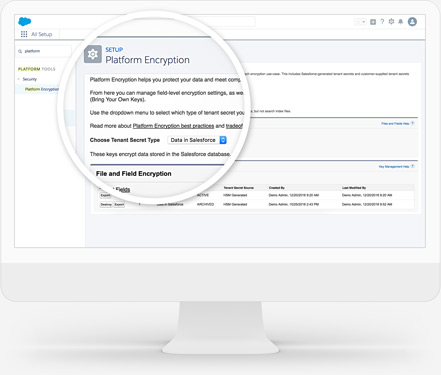
Salesforce Shield Explained: It is tailored for companies with heightened security and compliance considerations. Comprising four products that layer onto existing Salesforce products, it provides additional protection. These components include: Salesforce Shield is best explained is a encryption and event monitoring and field audit trail tool for your business. Block Unauthorized or Unlawful ActivityCreate real-time security rules in an org to prevent undesired events with Event Monitoring.Find and Classify Sensitive Data QuicklyDiscover and classify sensitive data in just a few clicks with Data Detect.Add Additional Security to Sensitive DataEncrypt sensitive data at rest and manage keys with Platform Encryption.Meet Compliance and Industry RegulationsView data as far back as a decade with Field Audit Trail. Protect critical information at scale. Identify, categorize and encrypt data to mitigate threats and avoid costs associated with data loss. Three Reasons to Use Data Detect1 Integrates Seamlessly With native Salesforce software for ease of implementation and cost savings.2 Identifies Sensitive Data regardless of what field it is in, so you can take the necessary steps to obfuscate or protect it3 Classifies Sensitive Fields Use convenient UI to update data classifications as you discover fields with sensitive data Like2 Related Posts Who is Salesforce? Who is Salesforce? Here is their story in their own words. From our inception, we’ve proudly embraced the identity of Read more Salesforce Marketing Cloud Transactional Emails Salesforce Marketing Cloud Transactional Emails are immediate, automated, non-promotional messages crucial to business operations and customer satisfaction, such as order Read more Salesforce Unites Einstein Analytics with Financial CRM Salesforce has unveiled a comprehensive analytics solution tailored for wealth managers, home office professionals, and retail bankers, merging its Financial Read more AI-Driven Propensity Scores AI plays a crucial role in propensity score estimation as it can discern underlying patterns between treatments and confounding variables Read more

Read More
Successful Salesforce Implementation

Successful Salesforce Implementation

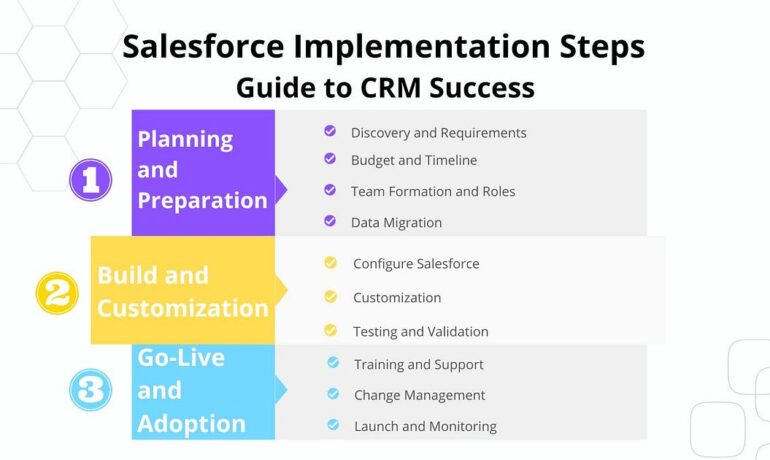
Unlocking the Potential of Salesforce: A Guide to Corporate Success Are you ready to explore the world of Successful Salesforce Implementation? In this Tectonic insight, we’ll explore how to leverage Salesforce to its fullest potential for your corporate success. Whether you’re a small startup or a large corporation, keep reading for practical advice and real-world insights to make Salesforce implementation work for you! What is Salesforce? Salesforce acts as a digital headquarters for organizations, organizing all client information, such as names, purchases, and contact methods. It’s also an Internet application that helps organizations manage customer relationships more effectively by sorting customer details, tracking sales leads, and automating tasks to ease customer interactions. Salesforce is cloudbased, so it is accessible from anywhere. Why Implement Salesforce Now? Implementing Salesforce offers numerous benefits for organizations across various industries: Overall, Salesforce improves how organizations manage customer relationships and utilize data for growth, but effective implementation requires thoughtful planning and customization. Types of Salesforce Implementation Sales Cloud Implementation Sales Cloud is Salesforce’s CRM platform designed to manage sales, leads, and customer interactions. Service Cloud Implementation Service Cloud helps companies provide excellent customer service and support. Marketing Cloud Implementation Marketing Cloud Engagement simplifies marketing efforts, helping businesses connect with customers across various channels. Each type of Salesforce implementation offers unique benefits and challenges, depending on the organization’s needs and goals. CRM Implementation Considerations Implementing a CRM system is a significant move for any business. Here are important things to remember: Step-by-Step Guide to Implement Salesforce Successfully Benefits of a Successful Salesforce Implementation Conclusion Implementing Salesforce is more than adding a powerful CRM system; it’s a journey to greater efficiency, productivity, and customer satisfaction. By thoughtfully planning and customizing Salesforce, organizations can enhance operations, deepen customer relationships, and drive sustainable growth. Embrace the possibilities of Salesforce implementation to chart a course for lasting success and innovation in the modern business landscape. Like Related Posts Who is Salesforce? Who is Salesforce? Here is their story in their own words. From our inception, we’ve proudly embraced the identity of Read more Salesforce Marketing Cloud Transactional Emails Salesforce Marketing Cloud Transactional Emails are immediate, automated, non-promotional messages crucial to business operations and customer satisfaction, such as order Read more Salesforce Unites Einstein Analytics with Financial CRM Salesforce has unveiled a comprehensive analytics solution tailored for wealth managers, home office professionals, and retail bankers, merging its Financial Read more AI-Driven Propensity Scores AI plays a crucial role in propensity score estimation as it can discern underlying patterns between treatments and confounding variables Read more

Read More
Salesforce Dedicated Data Model for Public Sector

Salesforce Dedicated Data Model for Public Sector

Public Sector Solutions Data Model Overview The Salesforce Dedicated Data Model for Public Sector leverages a suite of standard Salesforce objects to manage and structure data across various domains such as licensing, permitting, inspections, case management, benefit administration, grantmaking, and more. These objects are designed to facilitate efficient application processing, regulatory compliance, and service delivery within government agencies. Key Features Salesforce Dedicated Data Model for Public Sector Public Sector Solutions Standard Objects The data model includes a comprehensive set of objects tailored to support: Getting Started To implement and utilize the Public Sector Solutions data model effectively: Learn More Discover how Public Sector Solutions empowers government agencies in delivering efficient and effective public services. From automating approval workflows to enhancing constituent engagement, explore the capabilities tailored to meet the diverse needs of public sector organizations. Like Related Posts Who is Salesforce? Who is Salesforce? Here is their story in their own words. From our inception, we’ve proudly embraced the identity of Read more Salesforce Marketing Cloud Transactional Emails Salesforce Marketing Cloud Transactional Emails are immediate, automated, non-promotional messages crucial to business operations and customer satisfaction, such as order Read more Salesforce Unites Einstein Analytics with Financial CRM Salesforce has unveiled a comprehensive analytics solution tailored for wealth managers, home office professionals, and retail bankers, merging its Financial Read more AI-Driven Propensity Scores AI plays a crucial role in propensity score estimation as it can discern underlying patterns between treatments and confounding variables Read more
Read More
SaaS Data Protection from Own

Reporting With Own

In any Salesforce organization, vast amounts of data are generated constantly from sales activities, customer interactions, marketing campaigns, and more. Summarizing and digesting this information quickly is crucial, especially when presenting the big picture to leadership. This is where Salesforce reports come into play. The Salesforce Reports feature enables organizations to analyze, visualize, and summarize data in real time. By pulling data from across your Salesforce environment, reports help consolidate information into easily digestible formats, such as charts, tables, and graphs. Salesforce reports are essential for: How Historical Data Can Improve Reporting in Salesforce While real-time reports are valuable, incorporating historical data can significantly enhance reporting by offering deeper insights into your organization’s long-term performance. Here’s how: Challenges of Reporting with Historical Data in Salesforce While incorporating historical data is smart, Salesforce’s native reporting capabilities impose certain limitations: Don’t Let Salesforce Reporting Limitations Hold You Back With Own Discover, customers can effortlessly generate time-series datasets from any objects and fields over any time period in just a few clicks. These datasets can be accessed using standard query and reporting tools without requiring a data warehouse or the need to enrich existing data warehouses, overcoming Salesforce’s native limitations. Like Related Posts Who is Salesforce? Who is Salesforce? Here is their story in their own words. From our inception, we’ve proudly embraced the identity of Read more Salesforce Marketing Cloud Transactional Emails Salesforce Marketing Cloud Transactional Emails are immediate, automated, non-promotional messages crucial to business operations and customer satisfaction, such as order Read more Salesforce Unites Einstein Analytics with Financial CRM Salesforce has unveiled a comprehensive analytics solution tailored for wealth managers, home office professionals, and retail bankers, merging its Financial Read more AI-Driven Propensity Scores AI plays a crucial role in propensity score estimation as it can discern underlying patterns between treatments and confounding variables Read more
Read More
Einstein in Salesforce

Einstein in Salesforce

Salesforce AI and CRM Evolution Salesforce has long been a leader in customer relationship management (CRM) by pioneering cloud technologies. Recently, the platform has significantly advanced with the integration of generative artificial intelligence (AI) and AI-powered features, thanks to its Einstein technology. Einstein in Salesforce is like a super smart computer overseeing and analyzing the data in your CRM. This guide explores Salesforce’s AI strategy, exploring its specific products and features to help business teams understand and benefit from this technology. Exploring Salesforce’s Advanced AI Features Einstein, Salesforce’s AI technology, powers various advanced features within the platform. This guide will cover these capabilities, provide real-life adoption examples, and discuss their benefits. Additionally, it offers best practices, solutions, and services to facilitate your Einstein implementation. Salesforce’s Comprehensive CRM Solution Salesforce remains a number one in the CRM software world, offering robust solutions for managing relationships across various departments. Specific clouds within Salesforce enable teams to handle marketing, sales, customer service, e-commerce, and more. The platform focuses on customer experience and provides robust data analytics to support decision-making. Enhancements Through Generative AI Salesforce’s generative AI has rapidly enhanced the platform’s automation, workflow management, data analytics, and assistive capabilities for customer management. A prime example is Salesforce Copilot, which aids internal users with outreach and analysis tasks while improving the external user experience. What is Salesforce Einstein? Salesforce Einstein is the first comprehensive AI for CRM, integrating AI technologies to enhance the Customer Success Platform and bring AI to users everywhere. It is seamlessly integrated into many Salesforce products, offering generative AI built specifically for CRM. Key Features of Salesforce Einstein Comprehensive AI Capabilities of Salesforce Einstein Einstein extends its capabilities across the Salesforce CRM platform under the Customer 360 umbrella, enhancing intelligence and providing personalized customer experiences. Key Benefits of Salesforce Einstein Salesforce Einstein helps close deals faster, personalize customer service, understand customer behaviors, target audience segments better, and create personalized shopping experiences. It ensures data protection and privacy through the Einstein Trust Layer, maintaining strong data governance controls. Responsible AI Principles Salesforce is committed to responsible AI principles, ensuring Einstein is trustworthy and safe for every organization. Organizations can select from various principles to ensure ethical AI use in their operations. Implementation of Salesforce Einstein Salesforce Einstein is a powerful AI solution transforming how businesses interact with customers. By leveraging machine learning and data analysis, it personalizes experiences, predicts customer behavior, and automates tasks, boosting sales, enhancing service, and driving growth. As AI evolves, its impact on CRM will continue to grow, making it an indispensable tool for businesses aiming to stay competitive in today’s data-driven landscape. Top 4 Benefits of Salesforce Einstein in an Organization Einstein Essentials Salesforce Einstein and GPT (Generative Pretrained Transformer) technologies represent significant advancements in AI, particularly in CRM and natural language processing. Here’s a brief overview of their relevance and potential intersection: Data Handling and Ethics in Salesforce Salesforce manages a vast amount of customer data, and the ethical handling of this data is crucial. Key considerations include data privacy, secure storage, access controls, compliance with regulations like GDPR and CCPA, and the ethical use of AI and machine learning. It’s important to maintain transparency, avoid biases, and ensure AI models are making ethical decisions. Newest Einstein Features for 2024 In the rapidly evolving ecosystem of Salesforce, AI offers a suite of tools to spark innovation, streamline operations, and provide richer business insights. Explore these potentials and let Einstein AI reshape your work in 2024. Content updated June 2024. Like1 Related Posts Who is Salesforce? Who is Salesforce? Here is their story in their own words. From our inception, we’ve proudly embraced the identity of Read more Salesforce Marketing Cloud Transactional Emails Salesforce Marketing Cloud Transactional Emails are immediate, automated, non-promotional messages crucial to business operations and customer satisfaction, such as order Read more Salesforce Unites Einstein Analytics with Financial CRM Salesforce has unveiled a comprehensive analytics solution tailored for wealth managers, home office professionals, and retail bankers, merging its Financial Read more AI-Driven Propensity Scores AI plays a crucial role in propensity score estimation as it can discern underlying patterns between treatments and confounding variables Read more
Read More
Salesforce Lightning and Hyperforce

Difference Between Salesforce Lightning and Hyperforce

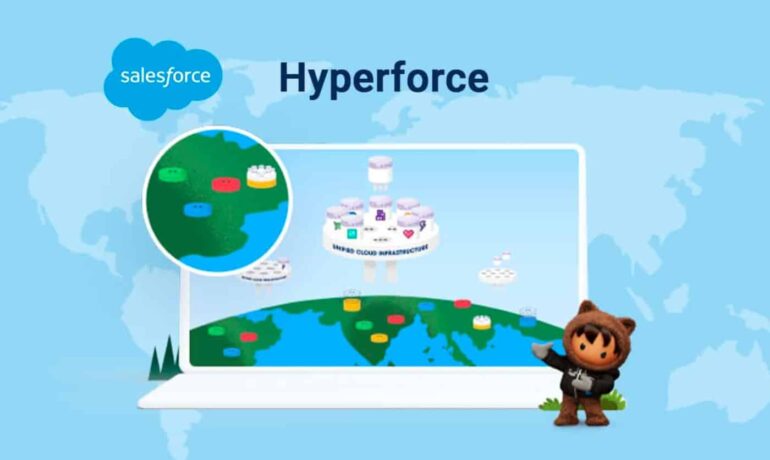
Salesforce Lightning Platform and Hyperforce: An Overview The Lightning Platform forms the core infrastructure of Salesforce, while Hyperforce is a new infrastructure model provided by the CRM platform. Salesforce Lightning Salesforce Lightning elevates customization with its modern and flexible framework. It offers a powerful drag-and-drop interface called the Lightning App Builder, enabling users to design custom homepages, record pages, and dashboards effortlessly. Salesforce Hyperforce Introduced at Dreamforce in December 2020 and recently made generally available, Hyperforce is an architectural enhancement to Salesforce’s platform designed for the public cloud. It offers several benefits, including scalability, global reach, and increased control over data residency. As part of the Salesforce Customer 360 platform, Hyperforce brings enhanced flexibility, scalability, and performance to the cloud. Key Benefits of Hyperforce: Hyperforce Migration Migrating to Hyperforce does not require additional costs. Once migrated, organizations will not experience significant changes, and non-Hyperforce services will continue to run. This code-based offering enhances speed, reliability, and global performance. Reasons to Migrate to Hyperforce: Hyperforce and Public Cloud Platforms Hyperforce can run on public cloud platforms like AWS, GCP, and Azure, representing a shift from traditional Salesforce-hosted data centers. The Data Cloud and Marketing Cloud are also built on Hyperforce, offering businesses a powerful platform for customer interactions and relationship management. Hyperforce vs. Shield Hyperforce provides volume-level encryption by default for data at rest, while Shield Platform Encryption operates in parallel, offering additional encryption features. Hyperforce Migration: Mandatory Upgrade Migrating to Hyperforce is not optional, as Salesforce has declared this architecture as its future. The migration process will occur over time, and organizations will need to prepare for it. If migration timing is not suitable, businesses should contact their Salesforce account agent. Data Residency and Migration Issues: While Hyperforce is expanding, more countries need to support data residency to have a truly international impact. Some migration issues may include Einstein loading problems, bot disruptions, and glitches with the Smartcomm managed package. Basic troubleshooting can resolve minor issues, but technical considerations like manual endpoint management may be time-consuming and costly. Hyperforce Assistant The Hyperforce Assistant provides a step-by-step guide to upgrade from Salesforce-managed physical data centers to Hyperforce, ensuring admins feel confident about the migration process. By adopting Hyperforce, businesses can enhance their customer data management with innovative solutions, ensuring robust security, scalability, and efficiency in their operations. Like Related Posts Who is Salesforce? Who is Salesforce? Here is their story in their own words. From our inception, we’ve proudly embraced the identity of Read more Salesforce Marketing Cloud Transactional Emails Salesforce Marketing Cloud Transactional Emails are immediate, automated, non-promotional messages crucial to business operations and customer satisfaction, such as order Read more Salesforce Unites Einstein Analytics with Financial CRM Salesforce has unveiled a comprehensive analytics solution tailored for wealth managers, home office professionals, and retail bankers, merging its Financial Read more AI-Driven Propensity Scores AI plays a crucial role in propensity score estimation as it can discern underlying patterns between treatments and confounding variables Read more

Read More
Marketing Cloud Tik Tok

Marketing Cloud Tik Tok

TikTok Introduces No-Code Integration for Salesforce Marketing Cloud TikTok has launched a no-code integration for Salesforce Marketing Cloud, designed to help advertisers transfer leads generated by their campaigns to Salesforce in real-time. This new integration ensures that leads captured on TikTok are automatically synced to Salesforce Marketing Cloud, eliminating the need for manual lead downloads by advertisers. Benefits of the Integration: Salesforce first enabled Commerce Cloud users to sell through TikTok in July 2022, positioning TikTok alongside other major social media channels like Facebook, Instagram, and Snapchat. This broadened the marketing and sales avenues for merchants. The new TikTok integration is available on Salesforce’s enterprise cloud marketplace, AppExchange, for businesses utilizing the Salesforce Marketing Cloud. Why This Integration Matters: Introducing TikTok AdZ: Filling the Gap in Salesforce Marketing Cloud Salesforce Marketing Cloud’s Advertising Studio did not previously integrate with TikTok, leaving a significant gap in the market. The new app, TikTok AdZ, created by Cezium, fills this gap by integrating TikTok advertising with marketing and CRM data, adding value in four key ways: 1. Acquisition: 2. Nurturing: 3. Retention: 4. Media Bidding Optimization: Key Features of TikTok AdZ: Target Using First-Party Data:With third-party cookies depreciating, TikTok AdZ allows advertisers to use first and second-party data for targeted ads, ensuring compliance with consumer privacy laws. Growth of Brand Awareness:Build a strong follower base on TikTok by creating custom audiences from existing customers or email subscribers and targeting them with exclusive promotions, influencer campaigns, and product demos. Audience Matching:Utilize TikTok’s lookalike audience feature to target users similar to your existing audience, increasing the likelihood of conversion. Audience Suppression:Optimize advertising spend by suppressing ads for unsatisfied customers or recent complainers, focusing on audiences more likely to convert. Use TikTok in Journey Builder:Leverage unified data to create personalized, contextual, and human engagements across marketing, commerce, service, and sales through multi-step automation in Journey Builder. Hyper-Personalization:Enhance personalization efforts with features like geotargeting, upselling and cross-selling, seasonal promotions, abandoned browse retargeting, and abandoned cart recovery. Summary As one of the largest social platforms globally, TikTok is essential for modern advertising strategies. TikTok AdZ streamlines the process, offering the tools needed to create personalized and effective ads that target the right audience on TikTok. Embrace this powerful integration to stay ahead of the competition, streamline lead generation, and watch your conversion rates soar. Reach out to your TikTok Rep or Salesforce Account Executive to get started today. Like Related Posts Who is Salesforce? Who is Salesforce? Here is their story in their own words. From our inception, we’ve proudly embraced the identity of Read more Salesforce Marketing Cloud Transactional Emails Salesforce Marketing Cloud Transactional Emails are immediate, automated, non-promotional messages crucial to business operations and customer satisfaction, such as order Read more Salesforce Unites Einstein Analytics with Financial CRM Salesforce has unveiled a comprehensive analytics solution tailored for wealth managers, home office professionals, and retail bankers, merging its Financial Read more AI-Driven Propensity Scores AI plays a crucial role in propensity score estimation as it can discern underlying patterns between treatments and confounding variables Read more

Read More
Benefits of Salesforce Experience Cloud

Benefits of Salesforce Experience Cloud

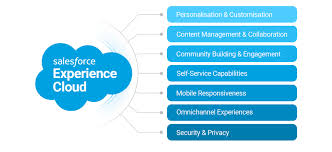
Salesforce Experience Cloud: Transforming Digital Customer Engagement To understand the Benefits of Salesforce Experience Cloud we must understand what a customer or partner portal is intended to do. Salesforce Experience Cloud, previously known as Community Cloud, is a powerful digital experience platform (DXP) designed to help organizations create and deliver exceptional, customer-centric experiences across multiple channels. This platform goes beyond community management, offering tools for building and managing websites, portals, mobile apps, and integrating social media. Benefits of Salesforce Experience Cloud explored. Built on Salesforce Customer 360, Experience Cloud gives businesses a comprehensive view of their customers by connecting data from various sources. With these insights, businesses can create personalized experiences tailored to each customer’s preferences and needs. Organizations can use Experience Cloud to design portals, websites, and communities, providing seamless access to relevant information, collaboration tools, and resources. The platform’s flexibility allows businesses to enhance customer satisfaction, improve partner collaboration, and boost employee productivity. Key Benefits of Salesforce Experience Cloud Salesforce Experience Cloud offers numerous benefits that help businesses deliver seamless experiences across the customer journey. Here are some of its key advantages: 1. Seamless Integration Experience Cloud integrates effortlessly with other Salesforce products like Sales Cloud and Service Cloud, providing a unified platform for comprehensive customer management. 2. Scalability and Customization The platform is highly scalable, allowing businesses to expand their communities as they grow. With extensive customization options, businesses can tailor the platform to meet their specific needs and branding requirements. 3. Security and Trust Salesforce is known for its robust security features, ensuring customer data is protected at all times. Businesses can confidently manage sensitive customer information within Experience Cloud. 4. Extensive AppExchange Ecosystem Salesforce’s AppExchange marketplace provides access to a wide range of pre-built integrations and apps that enhance the functionality of Experience Cloud, allowing businesses to customize and extend their platform capabilities. Real-World Uses of Salesforce Experience Cloud Salesforce Experience Cloud is used by businesses across various industries to improve customer engagement, enhance collaboration, and boost productivity. Some key use cases include: 1. Partner Portals Experience Cloud enables businesses to create dedicated partner portals where partners can collaborate with internal teams, access resources, and share leads. This accelerates partner engagement and streamlines business processes. 2. Self-Service Portals Businesses can offer 24/7 self-service portals, allowing customers to access product information, troubleshoot common issues, and track their interactions. These portals help reduce the workload on support teams and enhance customer satisfaction. 3. Customer Communities Experience Cloud allows businesses to create customer communities where users can find personalized content, engage with other users, and access self-service resources. This promotes collaboration and reduces the strain on customer support teams. 4. Employee Communities Internal employee communities serve as hubs for company-wide communication, training, and collaboration. Employees can access resources, share knowledge, and seek support, ultimately boosting engagement and productivity. 5. Branded Mobile Apps Businesses can use Experience Cloud to develop branded mobile apps that give customers, partners, and employees convenient access to services, resources, and information on the go. 6. Social Media Integration Experience Cloud integrates with popular social media platforms, allowing businesses to engage with customers directly, share content, and respond to inquiries. Top Features of Salesforce Experience Cloud Salesforce Experience Cloud is packed with features that enhance customer engagement, streamline operations, and improve overall efficiency: Companies Using Salesforce Experience Cloud Nike and PUMA leverage Experience Cloud for personalization. Nike’s loyalty program and Puma’s mobile shopping experience are enhanced by the platform’s built-in mobile UX design and technical architecture, resulting in better customer engagement and increased sales. Bank of America and Wells Fargo use Experience Cloud to offer customer support through self-service portals and community forums, improving customer satisfaction and gathering valuable feedback. IBM uses the platform to create collaborative communities for employees and customers alike. With integrated tools like Salesforce Einstein and IBM Watson, the company has enhanced internal collaboration and customer service. Hulu uses Salesforce to power its Help Center, where customers can find answers, engage with other viewers, and leave feedback that shapes Hulu’s content. OpenTable relies on Experience Cloud for its Diner Help portal, a one-stop shop for dining-related queries, enhancing the user experience and operational efficiency. Choosing the Right Salesforce Experience Cloud Partner for Implementation When implementing Salesforce Experience Cloud, choosing the right partner is crucial to ensure success. Look for a partner with: With the right partner, like Tectonic, businesses can fully grasp the power of Salesforce Experience Cloud to deliver exceptional digital experiences that foster customer loyalty, drive business growth, and improve operational efficiency. Content updated October 2024. Like Related Posts Who is Salesforce? Who is Salesforce? Here is their story in their own words. From our inception, we’ve proudly embraced the identity of Read more Salesforce Marketing Cloud Transactional Emails Salesforce Marketing Cloud Transactional Emails are immediate, automated, non-promotional messages crucial to business operations and customer satisfaction, such as order Read more Salesforce Unites Einstein Analytics with Financial CRM Salesforce has unveiled a comprehensive analytics solution tailored for wealth managers, home office professionals, and retail bankers, merging its Financial Read more AI-Driven Propensity Scores AI plays a crucial role in propensity score estimation as it can discern underlying patterns between treatments and confounding variables Read more
Read More
can-spam act

CAN-SPAM Act

Do you use email for your business? The CAN-SPAM Act, a law that regulates commercial email, sets requirements for these messages, grants recipients the right to stop receiving emails, and imposes significant penalties for non-compliance. The FTC enforces the CAN-SPAM Act and the associated CAN-SPAM Rule. Contrary to what its name might suggest, the CAN-SPAM Act isn’t limited to bulk email. It applies to all commercial messages, which are defined as any electronic mail message primarily intended to advertise or promote a commercial product or service, including emails that promote content on commercial websites. The law also applies to business-to-business email, meaning every email, such as one announcing a new product line to former customers, must adhere to CAN-SPAM regulations. Each individual email that violates the CAN-SPAM Act can result in penalties of up to $51,744, making compliance crucial. Fortunately, following the law is straightforward. Here’s an overview of CAN-SPAM’s key requirements: Frequently Asked Questions: Q: How do I know if the CAN-SPAM Act applies to the emails my business sends? A: The law applies based on the “primary purpose” of the message. An email can contain three types of content: If the message’s primary purpose is commercial, it must comply with CAN-SPAM. If it’s transactional or relationship-based, it must still avoid false or misleading routing information but is otherwise exempt from most CAN-SPAM requirements. Q: How can I determine if an email is a transactional or relationship message? A: An email is transactional or relationship-focused if it: These categories are interpreted narrowly, so be careful when assuming that any message sent to subscribers or members is transactional or relationship-based. Consider whether a reasonable recipient would view the email’s primary purpose as fitting into one of these categories. If not, the email must comply with CAN-SPAM. Q: What if an email combines commercial and transactional/relationship content? A: When an email includes both commercial and transactional/relationship content, the primary purpose determines its status. If the subject line leads a recipient to believe the message is primarily commercial or if the transactional/relationship content isn’t prominent at the beginning, the email is considered commercial and must comply with CAN-SPAM. Need More Information? For more detailed guidance on CAN-SPAM compliance, refer to the full CAN-SPAM Act or consult the FTC’s resources. Q: What if a message contains both commercial content and content classified as “other”? A: If a message includes both commercial content and other types of content, the CAN-SPAM Act applies if the primary purpose of the message is commercial. This determination is made if: Factors that influence this interpretation include the placement of the commercial content (e.g., whether it appears at the beginning of the message), the proportion of the message dedicated to commercial content, and how elements like color, graphics, and text style are used to emphasize the commercial aspects. Q: What if an email includes content from more than one company? Who is responsible for CAN-SPAM compliance? A: When an email promotes the products, services, or websites of multiple marketers, the responsible “sender” under the CAN-SPAM Act is typically determined by agreement among the marketers. The designated sender must: If the designated sender fails to meet these obligations, all marketers involved may be held liable as senders. Q: My company sends emails with a “Forward to a Friend” feature. Who is responsible for CAN-SPAM compliance for these forwarded messages? A: Whether a seller or forwarder is considered a “sender” or “initiator” under the CAN-SPAM Act depends on the situation. Typically, the Act applies if the seller offers an incentive for forwarding the message, such as money, discounts, or sweepstakes entries. In such cases, the seller is likely responsible for compliance. If a seller provides any benefit in exchange for forwarding an email or generating traffic, they are likely subject to CAN-SPAM regulations. Q: What are the penalties for violating the CAN-SPAM Act? A: Each email that violates the CAN-SPAM Act can result in penalties of up to $51,744, with the possibility of multiple parties being held responsible. Both the company whose product is promoted and the company that sent the message can be liable. Additionally, emails that contain misleading claims may be subject to other laws, like Section 5 of the FTC Act, which prohibits deceptive advertising. The CAN-SPAM Act also includes aggravated violations that could lead to additional fines and even criminal penalties, including imprisonment, for: Civil penalties may also require restitution to consumers under Section 19 of the FTC Act, covering not just what consumers paid, but also the value of their lost time. Q: Are there specific rules for sexually explicit marketing emails? A: Yes, the FTC has rules under the CAN-SPAM Act for emails with sexually explicit content. These emails must start with “SEXUALLY-EXPLICIT:” in the subject line. The body of the email must initially display only this warning and the standard CAN-SPAM information: the message’s commercial nature, the sender’s physical address, and an opt-out method. No images or graphics are allowed in this part of the message, ensuring that sexually explicit content isn’t viewable without an affirmative action, like scrolling or clicking. This requirement doesn’t apply if the recipient has previously given consent to receive such messages. About the FTC The FTC is dedicated to preventing fraudulent, deceptive, and unfair practices affecting businesses and consumers. You can report scams and unethical business practices at ReportFraud.ftc.gov. For guidance on legal compliance, visit business.ftc.gov. Understanding and fulfilling your compliance obligations is smart business practice, regardless of your organization’s size or industry. For updates on cases and initiatives, subscribe to the FTC’s Business Blog. Your Opportunity to Comment The National Small Business Ombudsman and 10 Regional Fairness Boards collect feedback from small businesses regarding federal compliance and enforcement activities. The Ombudsman evaluates these activities annually and rates each agency’s responsiveness to small businesses. Comments can be submitted without fear of reprisal by calling 1-888-REGFAIR (1-888-734-3247) or visiting www.sba.gov/ombudsman. Content updated January 2024. Like Related Posts Who is Salesforce? Who is Salesforce? Here is their story in their

Read More
Get to know CPQ

The Impact of CPQ on Sales Performance Metrics

In today’s fast-paced and competitive business environment, companies are continually searching for ways to optimize their sales processes and achieve their revenue targets. Configure, Price, Quote (CPQ) tools have emerged as a game-changing solution, enabling businesses to streamline operations, enhance customer satisfaction, and drive significant revenue growth. By automating manual tasks such as quote generation, pricing calculations, and customer data management, CPQ tools have a profound impact on key sales performance metrics. How CPQ Tools Transform Sales Performance Key Sales Metrics Positively Impacted by CPQ While CPQ tools influence a wide range of sales performance metrics, the following are particularly positively affected: Conclusion CPQ tools are indispensable for businesses looking to enhance their sales performance and achieve their revenue goals. By automating manual processes, providing actionable insights, and delivering a seamless customer experience, CPQ tools significantly improve key sales metrics such as quote turnaround time, accuracy, win rates, average deal size, and team productivity. As the sales landscape continues to evolve, CPQ tools will play an increasingly critical role in driving revenue growth and ensuring long-term success. Businesses that invest in CPQ solutions position themselves to outperform competitors, deliver exceptional customer experiences, and achieve sustainable growth. Like Related Posts Who is Salesforce? Who is Salesforce? Here is their story in their own words. From our inception, we’ve proudly embraced the identity of Read more Salesforce Unites Einstein Analytics with Financial CRM Salesforce has unveiled a comprehensive analytics solution tailored for wealth managers, home office professionals, and retail bankers, merging its Financial Read more AI-Driven Propensity Scores AI plays a crucial role in propensity score estimation as it can discern underlying patterns between treatments and confounding variables Read more Tectonic’s Successful Salesforce Track Record Salesforce Technology Services Integrator – Tectonic has successfully delivered Salesforce in a variety of industries including Public Sector, Hospitality, Manufacturing, Read more
Read More
Salesforce Marketing Cloud Personalization

AI and Marketing Personalization

AI Personalization Marketing: The Future of Customized Advertising Artificial intelligence (AI) is revolutionizing advertising by replacing generic mass marketing campaigns with highly targeted and relevant ads personalized through AI technology. Advanced AI and machine learning capabilities enable businesses to tailor and optimize marketing messages at scale. By leveraging extensive data insights, AI empowers businesses to understand customer needs and preferences on a personal level, allowing for customized messages and recommendations throughout the buyer’s journey. 5 Benefits of AI Personalization in Marketing Practical Applications of AI-Based Personalization in Marketing AI significantly enhances marketing effectiveness by analyzing extensive customer data to inform targeted campaigns. According to Babak Hodjat, CTO of Cognizant, integrating AI with business data empowers decision-making and drives key performance indicators. Explore more insights from Babak Hodjat in eWeek’s interview on AI’s transformative impact on marketing. AI-Powered Tools for Enhanced Personalization Challenges and Considerations for AI Personalization Implementation Implementing AI personalization presents challenges such as costs, ethical concerns, and data privacy considerations. Businesses must ensure transparent data practices and compliance with regulations like GDPR and CCPA to mitigate risks associated with data security and bias in AI algorithms. Best Practices for Effective AI Personalization Marketing Successful AI personalization strategies begin with clearly defined goals, ethical data practices, and the strategic use of AI tools to optimize marketing efforts. Regular monitoring and refinement based on data-driven insights ensure continuous improvement in campaign effectiveness and customer engagement. Conclusion AI personalization is reshaping marketing by delivering tailored experiences that drive customer engagement and business growth. Strategic implementation of AI tools enables marketers to unlock new levels of personalization while navigating ethical considerations and regulatory requirements. Embracing AI in marketing empowers brands to connect with customers on a deeper level, fostering loyalty and driving sustainable business success. Like Related Posts Who is Salesforce? Who is Salesforce? Here is their story in their own words. From our inception, we’ve proudly embraced the identity of Read more Salesforce Marketing Cloud Transactional Emails Salesforce Marketing Cloud Transactional Emails are immediate, automated, non-promotional messages crucial to business operations and customer satisfaction, such as order Read more Salesforce Unites Einstein Analytics with Financial CRM Salesforce has unveiled a comprehensive analytics solution tailored for wealth managers, home office professionals, and retail bankers, merging its Financial Read more AI-Driven Propensity Scores AI plays a crucial role in propensity score estimation as it can discern underlying patterns between treatments and confounding variables Read more
Read More
Salesforce Privacy Center for Customer Preferences

Salesforce Privacy Center for Customer Preferences

Managing Customer Privacy and Preferences with Salesforce In today’s inter-connected world, consumers are increasingly aware of the data collected about them. They want better control over their communication preferences, such as email, texts, and phone calls. Enter Salesforce Privacy Center for Customer Preferences. Organizations collecting this data must properly manage their customers’ privacy and preferences, adhere to privacy laws like the GDPR and CPRA, and stay compliant with the evolving landscape of US state and federal laws. Managing the complexity of communications, privacy, and compliance can be daunting, but Salesforce offers tools within its platform to help you stay compliant and meet your customers’ needs for preference management. Utilizing the Individual Object in Salesforce The first step is to use the Individual object in the Salesforce platform. When a customer shows interest in your products or services, you enter their information as a lead. Once they make a purchase, you convert that lead into a Contact Object, or store their information in a Person Account. Often, the same person’s information might be stored in multiple objects. For example, someone named Johnathan Smith might also be entered as John or Johnny, leading to multiple contacts with the same email but different names. The Individual Object helps manage preferences for that person across various objects or a single user record. It also enables: The Salesforce Consent Data Model The Individual Object is a key component of the Salesforce Consent Data Model, which forms the foundation of Salesforce’s long-term view of consent. This model considers the individual’s entire experience, not just a single contact point. Scenario Example: An individual wishes to be contacted via email (ContactPointTypeConsent) but only using their personal email address (ContactPointConsent) for promotional emails (Data Use Purpose). Later, they opt for SMS texting (ContactPointTypeConsent) for shipping notifications (Data Use Purpose). The data model allows managing multiple types of consent across different brands for various data use purposes, with the Individual Object linking all scenarios to a single person. This capability helps manage compliance with consent management requirements. Managing Customer Preferences with Privacy Center Once the Individual Object is enabled and the model understood, the next step is to enable customers to manage their preferences. Before configuring the Salesforce platform, you should plan for implementation by considering: With policies and procedures in place, you can start implementing the technology. Salesforce Privacy Center helps configure preference management and track the process. It allows you to create user-friendly forms for websites or emails, enabling secure capture of customer preferences for contact methods, reasons, and timing. Starting with Privacy Center To manage preferences, launch Privacy Center and set up consent templates in Privacy Preference Manager. Customize your contact point types (e.g., phone, web, social) using Apex or the Privacy Center interface. These templates ensure consistent forms across multiple brands and business lines, tailored to your specific business and compliance needs. After creating a form using a template, you can drag and drop it into Experience Builder or embed it into your site, ensuring a consistent user experience across sites and brands. Additional Privacy Center Functions Privacy Center also supports: These tools help manage your data, ensure regulatory compliance, and provide customers with an integrated and easy experience. By utilizing the Individual Object along with Privacy Center, you can track and monitor customer preferences effectively and ensure compliance. Like Related Posts Who is Salesforce? Who is Salesforce? Here is their story in their own words. From our inception, we’ve proudly embraced the identity of Read more Salesforce Marketing Cloud Transactional Emails Salesforce Marketing Cloud Transactional Emails are immediate, automated, non-promotional messages crucial to business operations and customer satisfaction, such as order Read more Salesforce Unites Einstein Analytics with Financial CRM Salesforce has unveiled a comprehensive analytics solution tailored for wealth managers, home office professionals, and retail bankers, merging its Financial Read more AI-Driven Propensity Scores AI plays a crucial role in propensity score estimation as it can discern underlying patterns between treatments and confounding variables Read more
Read More
License and Permitting Management for Businesses

Streamlining Public Sector Licensing, Permitting, and Inspections with Salesforce

Salesforce Public Sector Solutions enhances the efficiency of licensing, permitting, and inspection processes. From online application submission to automated review and approval, the platform streamlines every step, ensuring a seamless experience for both government agencies and constituents. At the core of these processes are two key application types, represented as objects: Constituent Accounts and Business Representation Each applicant is represented by an Account object: Business accounts store essential details such as company name, URL, addresses, number of employees, industry, and more. They are closely linked to: Together, these objects provide a comprehensive view of the business and its stakeholders. Application Submission and Processing Constituents apply for licenses and permits through an Experience Cloud portal. The application process is built using OmniStudio, which facilitates guided, interactive user experiences. Regulatory Authorities and Compliance Licensing and permitting are governed by regulatory authorities, each with specific requirements. These entities and their rules are structured within Public Sector Solutions using various objects: Example:The Board of Barbering and Cosmetology (Regulatory Authority) grants: Inspections, Violations, and Fees Government agencies inspect businesses and residences to ensure compliance. The inspection process involves: Junction objects facilitate many-to-many relationships, ensuring regulatory codes, violations, and assessment indicators are interconnected. Managing Multiple Licenses and Dependencies Many businesses require multiple permits, often issued in a specific sequence. The Business Regulatory Authorization Type Dependency object manages these dependencies, allowing agencies to enforce structured licensing processes. For example, a restaurant may require: The Experience Cloud portal displays these dependencies, enabling businesses to understand and complete the necessary steps efficiently. Streamlined Inspections with Action Plans Public Sector Solutions enhances inspector efficiency with Action Plans, which outline predefined tasks for each inspection. Handling Public Complaints Public complaints against businesses are managed within the Public Complaint object. Complaints trigger regulatory investigations involving: By integrating these elements, Public Sector Solutions ensures that licensing, permitting, and regulatory compliance processes are efficient, transparent, and easily managed. Like Related Posts Who is Salesforce? Who is Salesforce? Here is their story in their own words. From our inception, we’ve proudly embraced the identity of Read more Salesforce Marketing Cloud Transactional Emails Salesforce Marketing Cloud Transactional Emails are immediate, automated, non-promotional messages crucial to business operations and customer satisfaction, such as order Read more Salesforce Unites Einstein Analytics with Financial CRM Salesforce has unveiled a comprehensive analytics solution tailored for wealth managers, home office professionals, and retail bankers, merging its Financial Read more AI-Driven Propensity Scores AI plays a crucial role in propensity score estimation as it can discern underlying patterns between treatments and confounding variables Read more
Read More
gettectonic.com