Salesforce Lightning Platform and Hyperforce: An Overview
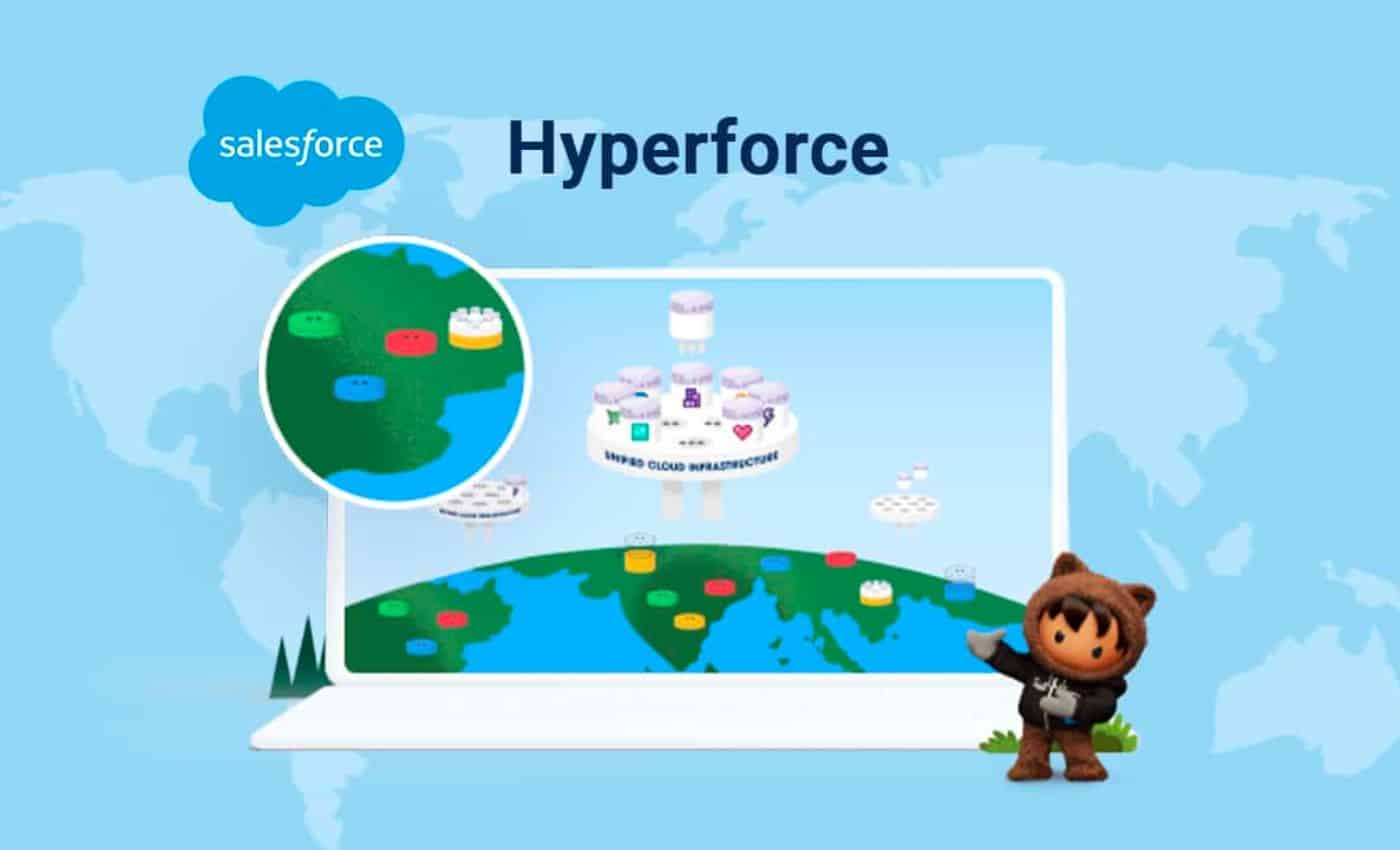
The Lightning Platform forms the core infrastructure of Salesforce, while Hyperforce is a new infrastructure model provided by the CRM platform.
Salesforce Lightning
Salesforce Lightning elevates customization with its modern and flexible framework. It offers a powerful drag-and-drop interface called the Lightning App Builder, enabling users to design custom homepages, record pages, and dashboards effortlessly.
Salesforce Hyperforce
Introduced at Dreamforce in December 2020 and recently made generally available, Hyperforce is an architectural enhancement to Salesforce’s platform designed for the public cloud. It offers several benefits, including scalability, global reach, and increased control over data residency. As part of the Salesforce Customer 360 platform, Hyperforce brings enhanced flexibility, scalability, and performance to the cloud.
Key Benefits of Hyperforce:
- Scalability and Agility: Hyperforce leverages public cloud services, allowing for increased scalability and performance without Salesforce managing physical resources.
- Data Residency and Control: Customers have more choices and control over where their data is stored, improving data residency options.
- Enhanced Security and Privacy: Hyperforce provides advanced security features, including zero-trust principles, data encryption (at-rest and in-transit), and least-privileged control.
- Efficient Development and Testing Environments: Ideal for growing global businesses, Hyperforce offers efficient dev and testing environments.
- Resilience and Availability: Designed for high availability and minimal disruption, Hyperforce uses standardized and automated processes for building and deploying complete operating images.
Hyperforce Migration
Migrating to Hyperforce does not require additional costs. Once migrated, organizations will not experience significant changes, and non-Hyperforce services will continue to run. This code-based offering enhances speed, reliability, and global performance.
Reasons to Migrate to Hyperforce:
- Control Over Data Residency: Gain more control over where data is stored.
- Scalability and Performance: Achieve sustainable scalability and robust performance.
- Security and Compliance: Benefit from enhanced security and privacy compliance.
- Faster Development Cycles: Unlock faster development cycles.
Hyperforce and Public Cloud Platforms
Hyperforce can run on public cloud platforms like AWS, GCP, and Azure, representing a shift from traditional Salesforce-hosted data centers. The Data Cloud and Marketing Cloud are also built on Hyperforce, offering businesses a powerful platform for customer interactions and relationship management.
Hyperforce vs. Shield
Hyperforce provides volume-level encryption by default for data at rest, while Shield Platform Encryption operates in parallel, offering additional encryption features.
Hyperforce Migration: Mandatory Upgrade
Migrating to Hyperforce is not optional, as Salesforce has declared this architecture as its future. The migration process will occur over time, and organizations will need to prepare for it. If migration timing is not suitable, businesses should contact their Salesforce account agent.
Data Residency and Migration Issues:
While Hyperforce is expanding, more countries need to support data residency to have a truly international impact. Some migration issues may include Einstein loading problems, bot disruptions, and glitches with the Smartcomm managed package. Basic troubleshooting can resolve minor issues, but technical considerations like manual endpoint management may be time-consuming and costly.
Hyperforce Assistant
The Hyperforce Assistant provides a step-by-step guide to upgrade from Salesforce-managed physical data centers to Hyperforce, ensuring admins feel confident about the migration process.
By adopting Hyperforce, businesses can enhance their customer data management with innovative solutions, ensuring robust security, scalability, and efficiency in their operations.
Who is Salesforce? Here is their story in their own words. From our inception, we've proudly embraced the identity of Read more
Salesforce Marketing Cloud Transactional Emails are immediate, automated, non-promotional messages crucial to business operations and customer satisfaction, such as order Read more

Salesforce has unveiled a comprehensive analytics solution tailored for wealth managers, home office professionals, and retail bankers, merging its Financial Read more
AI plays a crucial role in propensity score estimation as it can discern underlying patterns between treatments and confounding variables Read more