

Compliance Archives - gettectonic.com - Page 21
Marketing Cloud Engagement

Salesforce Distributed Marketing Content

Salesforce Distributed Marketing Content empowers you to extend dynamic content to dispersed teams, fostering safe and efficient interaction with that content. Integrate one or more Distributed Marketing Content Blocks seamlessly with standard or custom content areas to facilitate collaborative moments within branded email messages. For instance, enable users to personalize holiday cards with personal notes and images or provide context to market update messages. Leverage Distributed Marketing alongside AMPscript to enable users to craft customized SMS messages. Salesforce Distributed Marketing Content While marketing teams retain control over message structure, ensuring coherence, brand alignment, and compliance, collaborative content augments this framework, granting distributed teams flexibility within set parameters – a concept Salesforce refers to as “flexibility within a framework.” The usage of Distributed Marketing content is flexible and can adapt over time. Since each message is independently configurable, you can initiate with existing assets and introduce collaborative elements as needed. Please note that Distributed Marketing employs JavaScript ES6 for message personalization, requiring the disabling of Prevent Cross-Site Tracking in Safari and third-party cookies in Chrome. Enable Email Personalization with Distributed Marketing Content Blocks Utilize Distributed Marketing Content Blocks within Marketing Cloud to create personalized sections of content for Distributed Marketing users. Enable Custom SMS Messages Incorporate AMPscript into SMS messages to empower users to compose and dispatch custom SMS messages through Distributed Marketing. Personalization Data Extension Distributed Marketing establishes personalization data extensions in Marketing Cloud to store user-entered personalization data for email messages. A personalization data extension is automatically generated when connecting a journey to a campaign or enabling a journey for quick send. Custom SMS messages are not stored here but are accessible in the journey’s event data extension. Legacy Personalization While Legacy Personalization options like Introduction, Conclusion, and Greeting are available, their usage will be supported until End of Support is announced. Like1 Related Posts Who is Salesforce? Who is Salesforce? Here is their story in their own words. From our inception, we’ve proudly embraced the identity of Read more Salesforce Marketing Cloud Transactional Emails Salesforce Marketing Cloud Transactional Emails are immediate, automated, non-promotional messages crucial to business operations and customer satisfaction, such as order Read more Salesforce Unites Einstein Analytics with Financial CRM Salesforce has unveiled a comprehensive analytics solution tailored for wealth managers, home office professionals, and retail bankers, merging its Financial Read more AI-Driven Propensity Scores AI plays a crucial role in propensity score estimation as it can discern underlying patterns between treatments and confounding variables Read more

Read More
What is Einstein Used for in Salesforce?

What is Einstein Used for in Salesforce?

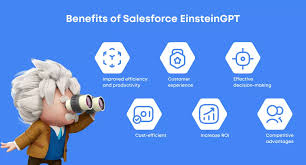
Salesforce Einstein is an AI-powered platform that can be used in various ways to enhance customer experiences and streamline business operations: SalesSalesforce Einstein can help sales teams better understand customers, improve conversion rates, and close deals more quickly. For instance, it can generate sales call summaries, draft emails using customer data, and provide real-time predictions. Customer ServiceEinstein helps customer service agents resolve cases faster and provide customers with relevant information during interactions. MarketingSalesforce Einstein enables marketers to create personalized experiences and send the right content to the right customer at the right time. ITSalesforce empowers IT teams to embed intelligence across the business and create smarter apps for customers and employees. CommerceSalesforce assists retailers by recommending the best products to each customer. Salesforce also includes features to protect data privacy and security, such as the Tectonic GPT Trust Layer, which provides AI bias detection, data security, and regulatory compliance. Salesforce Einstein is the first all-inclusive AI for CRM. It’s an integrated set of AI technologies that makes the Customer Success Platform smarter and brings AI to Salesforce users everywhere. Salesforce is the only comprehensive AI for CRM. It is: Tectonic and Salesforce allow businesses to become AI-first, providing the ability to anticipate customer needs, improve service efficiency, and enable smarter, data-driven decision-making. Sales teams can anticipate next opportunities and exceed customer needs,Service teams can proactively resolve issues before they occur,Marketing teams can create predictive journeys and personalize experiences like never before,IT teams can embed intelligence everywhere and create smarter apps. AI that works for your business.Drive business productivity and personalization with predictive AI, generative AI, and agents across the Customer 360 platform. Create and deploy assistive AI experiences natively in Salesforce, allowing your customers and employees to converse directly with Agentforce to solve issues faster and work smarter. Empower service reps, agents, marketers, and others with AI tools safely grounded in your customer data to make every customer experience more impactful. What is Salesforce Einstein?As of 2024, this groundbreaking AI-based product remains a leader in the CRM industry since its release in 2016. It combines a range of AI technologies, including advanced machine learning, natural language processing (NLP), predictive analytics, and image recognition, enabling businesses to improve productivity and sustain growth. Salesforce AI BenefitsThe most significant benefits of AI are the time and efficiency gains it offers to business processes. By automating tasks, employees can focus on more strategic work. Additionally, automating repetitive tasks reduces errors and enhances operational efficiency. Saleesforce provides robust reporting features that generate valuable insights to support decision-making, helping businesses understand customer needs and identify opportunities. From a customer perspective, Salesforce ensures more meaningful and personalized experiences through advanced NLP capabilities and machine learning to better understand customer behavior. Salesforce AI FeaturesSalesforce is a feature-rich platform that leverages AI’s capabilities in Natural Language Processing, Machine Learning, and image processing. Some of the key features include: Salesforce PricingCosts depend on the required features and the size of the business. Pricing starts at $50 per user per month, with potential increases based on the specific capabilities needed. Salesforce Tectonic ChallengesAlthough Salesforce Tectonic offers numerous benefits, companies may face challenges during integration, such as aligning it with existing systems and ensuring proper training for employees to maximize its use. How to Prepare for Salesforce Tectonic IntegrationUsing an implementation partner like Tectonic can help ensure seamless integration. A partner will assess your current Salesforce setup, recommend the right features, and guide you through the integration process. ConclusionSalesforce is a cutting-edge platform that empowers businesses to transform operations with comprehensive AI capabilities. It provides tailored solutions for sales, service, marketing, and commerce teams, enabling better customer interactions, data-driven decision-making, and increased productivity. With the right implementation partner like Tectonic, businesses can seamlessly integrate and leverage Tectonic to stay ahead in a competitive landscape. Content updated November 2024. Like1 Related Posts Who is Salesforce? Who is Salesforce? Here is their story in their own words. From our inception, we’ve proudly embraced the identity of Read more Salesforce Marketing Cloud Transactional Emails Salesforce Marketing Cloud Transactional Emails are immediate, automated, non-promotional messages crucial to business operations and customer satisfaction, such as order Read more Salesforce Unites Einstein Analytics with Financial CRM Salesforce has unveiled a comprehensive analytics solution tailored for wealth managers, home office professionals, and retail bankers, merging its Financial Read more AI-Driven Propensity Scores AI plays a crucial role in propensity score estimation as it can discern underlying patterns between treatments and confounding variables Read more
Read More
UX Design Trends 2024

UX Design Trends 2024

Navigating Design Trends: AI, Discovery, Accessibility, and Collaboration. Salesforce UX Design Trends 2024. As we reflect on the past year and look ahead, design trends are emerging, signaling a pivotal moment in the intersection of creativity, usability, and AI. For developers, admins, architects, and business leaders, understanding these trends is crucial in shaping the future. Here are the four design trends steering this transformative journey: As we move forward, these design trends signify a paradigm shift, emphasizing the significance of AI, streamlined discovery, accessibility, and the growing collaboration between designers and developers. Navigating this transformative landscape requires an adaptable mindset and a commitment to ethical, inclusive design practices from the outset. When you work with Tectonic we take all these considerations to mind as we design or re-design your Salesforce org. Contact Tectonic today. UX Design Trends 2024 Like2 Related Posts Who is Salesforce? Who is Salesforce? Here is their story in their own words. From our inception, we’ve proudly embraced the identity of Read more Salesforce Marketing Cloud Transactional Emails Salesforce Marketing Cloud Transactional Emails are immediate, automated, non-promotional messages crucial to business operations and customer satisfaction, such as order Read more Salesforce Unites Einstein Analytics with Financial CRM Salesforce has unveiled a comprehensive analytics solution tailored for wealth managers, home office professionals, and retail bankers, merging its Financial Read more AI-Driven Propensity Scores AI plays a crucial role in propensity score estimation as it can discern underlying patterns between treatments and confounding variables Read more
Read More
Einstein Trust Layer explained

Einstein Trust Layer Explained

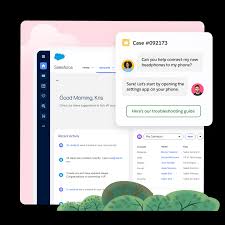
The Einstein Trust Layer, seamlessly integrated into the Salesforce Platform, serves as a secure AI architecture designed to meet enterprise security standards. This foundational layer prioritizes stringent security measures, allowing teams to harness the power of generative AI without compromising customer data. Simultaneously, it empowers companies to make the most of their trusted data, thereby enhancing the precision of generative AI responses. Key features of the Einstein Trust Layer include: Integrated and Grounded: An inherent component of every Einstein Copilot, the Trust Layer ensures that generative prompts are firmly rooted and enriched in trusted company data. Its integration with Salesforce Data Cloud establishes a seamless connection, reinforcing the reliability and relevance of generative responses. Zero-Data Retention and PII Protection: Companies can trust that their data will never be retained by third-party Large Language Model (LLM) providers. The Trust Layer incorporates masking techniques for personally identifiable information (PII), ensuring an added layer of data privacy. Toxicity Awareness and Compliance-Ready AI Monitoring: A dedicated safety-detector LLM within the Trust Layer acts as a guard against toxicity, assessing risks to brand reputation by scoring AI generations. This scoring mechanism instills confidence in the safety of responses. Moreover, each AI interaction is meticulously recorded in a secure, monitored audit trail, providing companies with visibility and control over how their data is utilized and ensuring compliance readiness. In alignment with Microsoft’s introduction of Copilot solutions powered by generative AI, Salesforce is leveraging the capabilities of Large Language Models (LLMs) to empower professionals in sales, marketing, and customer service. Building on Salesforce’s existing suite of Einstein AI features, the company unveiled “Einstein 1” this year—a next-generation suite of tools empowering users to seamlessly integrate AI into their everyday workflows. At the core of this advancement is the Einstein Copilot solution, complemented by the new Copilot studio and the Einstein Trust Layer. Like2 Related Posts Who is Salesforce? Who is Salesforce? Here is their story in their own words. From our inception, we’ve proudly embraced the identity of Read more Salesforce Marketing Cloud Transactional Emails Salesforce Marketing Cloud Transactional Emails are immediate, automated, non-promotional messages crucial to business operations and customer satisfaction, such as order Read more Salesforce Unites Einstein Analytics with Financial CRM Salesforce has unveiled a comprehensive analytics solution tailored for wealth managers, home office professionals, and retail bankers, merging its Financial Read more AI-Driven Propensity Scores AI plays a crucial role in propensity score estimation as it can discern underlying patterns between treatments and confounding variables Read more
Read More
Advances in Public Sector Solutions

Salesforce Announces Advances in Public Sector Solutions

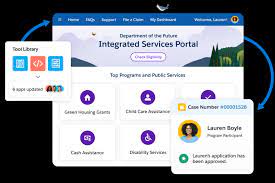
Explore the diverse new ways in which advances in Public Sector Solutions revolutionize the provision of public services. Establish interactive application forms and deploy them on an Experience Cloud site accessible to constituents. Develop automated approval processes for efficient application review. Employ dynamic assessments for evaluating applications, and generate care plans and referrals to assist constituents in need. Utilize a trial Salesforce PSS org to explore the product and prepare for implementation. Discover the synergy between the Salesforce platform, a dedicated data model, and a suite of common components that facilitate the implementation of a solution tailored to your agency’s needs. Whether implementing Public Sector Solutions for a municipality, state, province, or at the federal or national level, each public agency has distinct requirements for serving constituents through digital tools and workflows. Public Sector Solutions avoids a one-size-fits-all approach, allowing you to combine various components and tools to create a customized solution for you and your constituents. Salesforce Platform: The cloud-based Salesforce platform, encompassing Sales Cloud, Service Cloud, and Experience Cloud, forms the foundation of Public Sector Solutions and is inclusive with the product. Offering relationship management, case management, collaboration, integration, and data insight capabilities, the platform provides a 360-degree view of constituents for more effective service, management, and interaction. Adhering to stringent data security regulations, the platform allows quick deployment and scalability, with flexibility for expansion. Data Model: The Public Sector Solutions data model is tailored for government agencies, encompassing objects for defining regulatory agencies, authorization types, codes, constituents as business or person accounts, visits, complaints, violations, and more. Whether managing licenses and permits, conducting inspections, or overseeing social services programs, the data model accommodates diverse governmental tasks. Industry Common Layer: A suite of no-code and low-code components and tools, including OmniStudio, Action Plans, Document Tracking and Approvals, OmniStudio Document Generation, Business Rules Engine, and more, enables automation of traditionally paper-based processes. Common layer components facilitate the creation of dynamic forms, application reviews, complex policy decisions, and more. Prebuilt Apps: These elements culminate in several prebuilt applications, each addressing specific needs: Contact Tectonic today to explore Salesforce public sector solutions. Like1 Related Posts Who is Salesforce? Who is Salesforce? Here is their story in their own words. From our inception, we’ve proudly embraced the identity of Read more Salesforce Marketing Cloud Transactional Emails Salesforce Marketing Cloud Transactional Emails are immediate, automated, non-promotional messages crucial to business operations and customer satisfaction, such as order Read more Salesforce Unites Einstein Analytics with Financial CRM Salesforce has unveiled a comprehensive analytics solution tailored for wealth managers, home office professionals, and retail bankers, merging its Financial Read more AI-Driven Propensity Scores AI plays a crucial role in propensity score estimation as it can discern underlying patterns between treatments and confounding variables Read more

Read More
Salesforce Pro Suite

Salesforce Pro Suite

Revolutionizing CRM: Introducing Salesforce Pro Suite In today’s dynamic business technology landscape, Salesforce has established itself as a leader in customer relationship management (CRM) solutions. The launch of Salesforce Pro Suite marks a significant milestone in their mission to empower businesses with cutting-edge tools designed to optimize operations, enhance customer engagement, and drive growth. This article explores the features, benefits, and potential of Salesforce Pro Suite, showcasing why it stands out as a transformative solution for businesses of all sizes. What is Salesforce Pro Suite? Salesforce Pro Suite is a comprehensive collection of integrated tools and services designed to augment the capabilities of Salesforce’s CRM platform. Tailored for modern businesses—from startups to large enterprises—it incorporates advanced functionalities such as artificial intelligence (AI), automation, and data analytics to boost productivity, foster collaboration, and facilitate informed decision-making. Unlock growth and deepen customer relationships with Pro Suite—the all-in-one CRM suite with marketing, sales, service, and commerce tools that scale with your business. Get the flexibility to automate tasks and customize your CRM to fit your specific needs with Pro Suite. Key Features of Salesforce Pro Suite Benefits of Salesforce Pro Suite Use Cases of Salesforce Pro Suite What Can You Do with Pro Suite? Conclusion Salesforce Pro Suite represents a significant advancement in CRM technology, offering a comprehensive suite of tools that cater to the diverse needs of modern businesses. By harnessing AI, automation, and advanced analytics, Pro Suite empowers organizations to optimize operations, enhance customer engagement, and make informed, data-driven decisions. Whether you’re a small startup or a large enterprise, Salesforce Pro Suite provides the scalability, flexibility, and security required to thrive in today’s competitive landscape. Like Related Posts Who is Salesforce? Who is Salesforce? Here is their story in their own words. From our inception, we’ve proudly embraced the identity of Read more Salesforce Marketing Cloud Transactional Emails Salesforce Marketing Cloud Transactional Emails are immediate, automated, non-promotional messages crucial to business operations and customer satisfaction, such as order Read more Salesforce Unites Einstein Analytics with Financial CRM Salesforce has unveiled a comprehensive analytics solution tailored for wealth managers, home office professionals, and retail bankers, merging its Financial Read more AI-Driven Propensity Scores AI plays a crucial role in propensity score estimation as it can discern underlying patterns between treatments and confounding variables Read more

Read More

Salesforce Unveils Einstein Copilot

Salesforce Unveils Einstein Copilot: A New Era in AI-Powered CRM Salesforce, the world’s leading customer relationship management (CRM) platform, has introduced Einstein Copilot, an advanced AI-powered assistant designed to revolutionize business interactions with CRM systems. Seamlessly integrated within Salesforce’s ecosystem, including Data Cloud, Einstein Copilot automates complex workflows, enhances operational efficiency, and delivers highly personalized customer insights. By leveraging AI, it empowers sales, marketing, and customer service teams while ensuring compliance with data privacy and governance standards. The Challenge: Enhancing CRM Efficiency with AI As customer relationships became more intricate, businesses sought a CRM solution that could: Salesforce responded by integrating cutting-edge AI capabilities into its CRM platform, ensuring a seamless, secure, and intelligent customer experience. The Einstein Copilot Solution Salesforce has embedded Einstein Copilot across its CRM applications, transforming customer relationships through AI-driven automation. By harnessing Data Cloud, Einstein Copilot accesses unified, reliable data to generate real-time insights, helping businesses make smarter decisions and enhance customer interactions. With customization tools like Copilot Builder, Prompt Builder, Skill Builder, and Model Builder, businesses can tailor Einstein Copilot to meet their unique needs. Integration with Salesforce extensions and external APIs further optimizes workflows, automating tasks and streamlining operations. Key Features of Einstein Copilot Results: Transforming CRM with AI Since its launch, Einstein Copilot has significantly improved customer satisfaction and operational productivity by: Challenges & Considerations Despite its success, deploying Einstein Copilot presented some challenges, including: The Future of Einstein Copilot Salesforce is committed to expanding Einstein Copilot’s capabilities, focusing on: Salesforce envisions Einstein Copilot setting a new benchmark in AI-driven CRM, enabling businesses to foster stronger customer relationships, drive growth, and streamline operations. About Salesforce Salesforce is the world’s leading CRM platform, empowering businesses with innovative solutions that blend cloud computing, artificial intelligence, and big data analytics. Since its founding in 1999, Salesforce has been at the forefront of digital transformation, helping organizations optimize operations and elevate customer engagement. Conclusion Einstein Copilot marks a transformative shift in CRM, leveraging AI to enhance efficiency, automate workflows, and deliver superior customer experiences. With AI-driven automation and intelligent decision-making, businesses can now focus on building long-lasting customer relationships that drive loyalty and success. Einstein Copilot is now Agentforce. Content updated January 2025. Like Related Posts Who is Salesforce? Who is Salesforce? Here is their story in their own words. From our inception, we’ve proudly embraced the identity of Read more Salesforce Marketing Cloud Transactional Emails Salesforce Marketing Cloud Transactional Emails are immediate, automated, non-promotional messages crucial to business operations and customer satisfaction, such as order Read more Salesforce Unites Einstein Analytics with Financial CRM Salesforce has unveiled a comprehensive analytics solution tailored for wealth managers, home office professionals, and retail bankers, merging its Financial Read more AI-Driven Propensity Scores AI plays a crucial role in propensity score estimation as it can discern underlying patterns between treatments and confounding variables Read more

Read More
What is GovSlack

What is GovSlack?

GovSlack: Streamlined, Secure Collaboration for Government GovSlack brings together your team, tools, and partners into one secure platform, specifically designed to meet government regulations for processing and storing sensitive data. By integrating GovSlack, organizations can eliminate internal and external communication silos while empowering employees with the flexibility to excel in their roles. What is GovSlack?GovSlack is a tailored version of Slack that allows agencies, contractors, citizens, and partners to collaborate in a centralized, secure workspace. It complies with the strictest security and operational standards required by public sector clients. Is Slack FedRAMP approved?Yes, Slack holds FedRAMP Moderate authorization to meet public sector compliance needs. GovSlack goes further, earning FedRAMP JAB High authorization and is actively pursuing DoD CC SRG IL4 compliance to cater to defense sector clients. Does the federal government use Slack?Security is crucial for public sector agencies and their partners. Federal agencies trust Slack as their secure digital HQ, helping teams from the U.S. Department of Veterans Affairs to the GSA’s 18F office enhance collaboration while meeting stringent data privacy requirements. GovSlack Key FeaturesGovSlack, launched in July 2022 after extensive testing and feedback from government clients, offers several features to ensure secure and compliant collaboration: GovSlack integrates seamlessly with other government-specific tools such as Salesforce Government Cloud Plus, creating a powerful CRM and collaboration ecosystem to accelerate agency goals and improve constituent services. Case Study: Army Software Factory (SWF)The Army SWF, using agile methods to upskill soldiers and develop cutting-edge digital solutions, required a flexible and secure collaboration platform. By adopting GovSlack, they fostered improved collaboration without compromising compliance with stringent DoD policies. Partner IntegrationsLeading companies such as Lockheed Martin and Box are leveraging GovSlack to streamline collaboration while maintaining compliance with federal regulations. For example, Lockheed Martin is using GovSlack to manage projects with government partners while ensuring sensitive data remains protected. ThoughtsGovSlack is built for secure, government-specific collaboration, providing agencies and their partners with the flexibility to work more effectively while meeting compliance needs. By integrating with key tools and offering enhanced security features, GovSlack supports the digital transformation efforts of public sector organizations across the globe. Like Related Posts Who is Salesforce? Who is Salesforce? Here is their story in their own words. From our inception, we’ve proudly embraced the identity of Read more Salesforce Marketing Cloud Transactional Emails Salesforce Marketing Cloud Transactional Emails are immediate, automated, non-promotional messages crucial to business operations and customer satisfaction, such as order Read more Salesforce Unites Einstein Analytics with Financial CRM Salesforce has unveiled a comprehensive analytics solution tailored for wealth managers, home office professionals, and retail bankers, merging its Financial Read more AI-Driven Propensity Scores AI plays a crucial role in propensity score estimation as it can discern underlying patterns between treatments and confounding variables Read more
Read More
Considerations When Implementing PHI

Considerations When Implementing PHI

Consumers today express heightened concerns about their data privacy, with 92% of Americans showing apprehension about online privacy. This apprehension extends beyond worries about the security of mobile phones, email, and browsers, particularly in the healthcare sector, where providers face increased scrutiny in safeguarding patients’ Protected Health Information (PHI). PHI is a prime target for cybercriminals due to its sensitivity, but securing it at scale poses significant challenges. Considerations When Implementing PHI. What is PHI and how is it protected? With certain exceptions, the Privacy Rule protects a subset of individually identifiable health information, known as protected health information or PHI, that is held or maintained by covered entities or their business associates acting for the covered entity. HIPAA mandates stringent rules for the protection of healthcare information qualifying as PHI, imposing severe financial and criminal penalties for non-compliance. The HIPAA Privacy Rule specifically oversees PHI, encompassing health or personal information that can identify an individual, including historical, present, or future data related to mental or physical health. Entities handling PHI must adhere to strict requirements for transmitting, storing, and disposing of this data, as patients inherently possess legal rights to the privacy and security of their PHI. Compliance is vital for the protection of PHI, not only to fulfill regulatory obligations but also to mitigate the substantial risks posed by cybercriminals who target this valuable information. The allure for cybercriminals lies in the lucrative market for healthcare data, with records selling for hundreds to thousands of dollars per record on the black market. Given the potential for compromising millions of patient records in a single breach, attackers stand to gain significant sums. In contrast, other personal identifiers like Social Security numbers and credit card information fetch considerably lower prices. What are some of the barriers to implementing HIPAA guidelines in health care organizations? The three main aspects of HIPAA that continue to be a challenge for organizations are privacy, security and breach notification. Ensuring compliance involves both technical and procedural considerations, and practices must implement updated training programs, access controls, secure data disposal methods, encryption measures, and regular security assessments. Compliance extends beyond internal practices, requiring thorough scrutiny of third-party vendors’ adherence to PHI protection regulations. In the broader context of system compliance with PHI regulations, including HIPAA, specific software requirements play a pivotal role. These requirements, such as data encryption, access controls, audit logs, data integrity measures, and breach notification capabilities, collectively ensure the confidentiality, integrity, and availability of PHI. Compliance necessitates an organizational commitment to privacy and security considerations, encompassing technical safeguards, administrative policies, and physical security measures. Various businesses, including hospitals, insurance providers, pharmacies, and psychologists, handle PHI, making its protection challenging yet imperative to adhere to HIPAA standards. Maintain documents containing PHI in locked cabinets or locked rooms when the documents are not in use and after working hours. Establish physical and/or procedural controls (e.g., key or combination access, access authorization levels) that limit access to only those persons who have a need for the information. What’s your responsibility in protecting PHI? This includes implementing HIPAA-required administrative , physical , and technical safeguards with regard to any person, process, application, service, or system used to collect, process, manage, analyze, or store PHI. Like1 Related Posts Who is Salesforce? Who is Salesforce? Here is their story in their own words. From our inception, we’ve proudly embraced the identity of Read more Tectonic’s Successful Salesforce Track Record Salesforce Technology Services Integrator – Tectonic has successfully delivered Salesforce in a variety of industries including Public Sector, Hospitality, Manufacturing, Read more Salesforce Health Cloud Information Since its inception in 2016, Salesforce Health Cloud has evolved significantly, adapting to the intricacies of the sensitive and dynamic Read more Capture Initial Traffic Source With Google Analytics To ensure the proper sequencing of Tags, modify the Tag sequencing in the Google Analytics preview Tag settings. The custom Read more

Read More
What is a Co-Marketing Cloud?

What is a Co-Marketing Cloud?

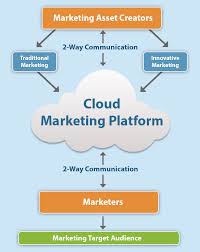
The Rise of Co-Marketing Clouds: Supercharging Partner Campaigns A co-marketing cloud is transforming how brands collaborate on marketing initiatives. This powerful platform serves as a centralized command center for managing joint campaigns with partners, enabling businesses to: Why Co-Marketing Clouds Are Game-Changers 🔹 Unified Campaign ManagementA single dashboard controls all co-marketing efforts—from content creation to performance tracking—eliminating chaotic email threads and spreadsheets. 🔹 Smart Data IntegrationThe platform automatically aggregates performance metrics across email, social, ads, and more, providing a holistic view of what’s working (and what’s not). 🔹 AI-Powered OptimizationAdvanced algorithms analyze campaign data to:✅ Recommend high-performing content variations✅ Identify ideal audience segments✅ Predict optimal send times and channels 🔹 Efficiency at ScaleAutomated workflows handle repetitive tasks like:• Partner approvals• Asset sharing• Compliance checks Real-World Example: SOCi’s Co-Marketing Solution Companies like SOCi specialize in co-marketing clouds for multi-location brands, helping them: The Bottom Line Co-marketing clouds turn partner collaborations from logistical nightmares into growth accelerators. By combining centralized control with AI-driven intelligence, these platforms help brands unlock the full potential of joint marketing—with less hassle and better results. “It’s like having a marketing co-pilot for every partnership initiative.” For businesses investing in partnership marketing, a co-marketing cloud isn’t just helpful—it’s becoming essential infrastructure. Like1 Related Posts Who is Salesforce? Who is Salesforce? Here is their story in their own words. From our inception, we’ve proudly embraced the identity of Read more Salesforce Marketing Cloud Transactional Emails Salesforce Marketing Cloud Transactional Emails are immediate, automated, non-promotional messages crucial to business operations and customer satisfaction, such as order Read more Salesforce Unites Einstein Analytics with Financial CRM Salesforce has unveiled a comprehensive analytics solution tailored for wealth managers, home office professionals, and retail bankers, merging its Financial Read more AI-Driven Propensity Scores AI plays a crucial role in propensity score estimation as it can discern underlying patterns between treatments and confounding variables Read more
Read More
Healthcare Cloud Marketplace

Healthcare Cloud Marketplace

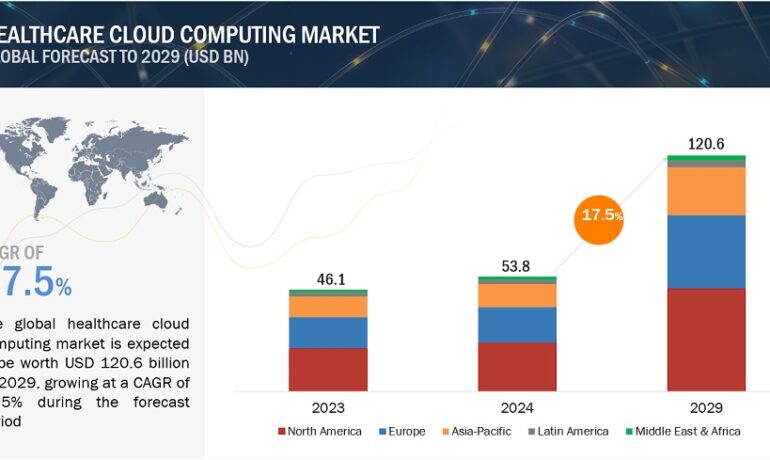
Healthcare Cloud Computing Market: A Comprehensive Overview and Future Outlook Vantage Market Research Report: Insights into Healthcare Cloud Computing by 2030 WASHINGTON, D.C., February 6, 2024 /EINPresswire.com/ — The global Healthcare Cloud Marketplace was valued at USD 38.25 billion in 2022 and is projected to grow at a compound annual growth rate (CAGR) of 18.2% from 2023 to 2030, reaching approximately USD 145.86 billion by 2030, according to Vantage Market Research. This technology allows healthcare organizations to utilize cloud-based services for data storage, management, and analysis, providing numerous benefits such as cost efficiency, scalability, flexibility, security, and interoperability. It enhances healthcare delivery by enabling seamless data access and sharing across various locations, devices, and networks. Additionally, cloud computing supports the integration of advanced technologies like artificial intelligence, big data analytics, telehealth, and mobile health, driving progress in disease diagnosis, treatment, and prevention. Market Dynamics The market’s growth is fueled by several key factors, including the increasing demand for healthcare IT solutions, the rising prevalence of chronic diseases, the widespread adoption of electronic health records (EHRs), and evolving payment models and regulatory frameworks. The exponential increase in healthcare data, encompassing patient records, imaging scans, and research findings, necessitates scalable storage and analysis solutions. Cloud computing meets this need by providing flexible and scalable infrastructure, accommodating data growth without overburdening IT systems. The rise of telehealth and remote patient monitoring further boosts the demand for secure, cloud-based platforms that facilitate efficient data exchange. However, stringent data privacy regulations like HIPAA and GDPR require robust security measures, compelling healthcare organizations to seek cloud providers that offer strong compliance and access controls. This need for a balance between agility and security shapes the healthcare cloud computing market’s future trajectory. Leading Companies in the Global Healthcare Cloud Computing Market Market Segmentation By Product: By Deployment: By Component: By Pricing Model: By Service Model: Key Trends and Opportunities The healthcare cloud computing market is witnessing significant trends, including the adoption of hybrid and multi-cloud models, which combine the benefits of both public and private clouds. The integration of artificial intelligence (AI) and machine learning (ML) into cloud-based healthcare applications is opening new avenues for personalized medicine, clinical decision support, and drug discovery. Moreover, blockchain technology is emerging as a solution to enhance data security and patient privacy, addressing critical industry concerns. Key Findings: Opportunities: Healthcare Cloud Marketplace The healthcare cloud computing market is poised for robust growth, driven by the increasing demand for scalable and secure data management solutions. As healthcare organizations navigate challenges related to data privacy and security, robust cloud solutions and supportive government policies will be essential in unlocking the full potential of cloud computing in healthcare. Like Related Posts Who is Salesforce? Who is Salesforce? Here is their story in their own words. From our inception, we’ve proudly embraced the identity of Read more Salesforce Marketing Cloud Transactional Emails Salesforce Marketing Cloud Transactional Emails are immediate, automated, non-promotional messages crucial to business operations and customer satisfaction, such as order Read more Salesforce Unites Einstein Analytics with Financial CRM Salesforce has unveiled a comprehensive analytics solution tailored for wealth managers, home office professionals, and retail bankers, merging its Financial Read more AI-Driven Propensity Scores AI plays a crucial role in propensity score estimation as it can discern underlying patterns between treatments and confounding variables Read more

Read More
Public Sector Care and Services Management

Public Sector Care and Services Management

Embracing Technology for Proactive Governance: Public Sector Care and Services Management In navigating the complexities of modern governance and service delivery, embracing technology trends presents an opportunity for governments to proactively address challenges and deliver impactful outcomes to the citizens they serve. Through strategic investment in reliable technology, governments can build trust with constituents, enhance the citizen experience, and drive cost savings. Public Sector Care and Services Management Salesforce, globally recognized as the leading CRM, consistently rises with its adaptable features tailored to diverse audiences. Its innovative solutions cater to unique needs across industries and sectors, including the public sector. Salesforce offers a suite of solutions designed to optimize operations within any public office setting, acknowledging the critical role of technology in enhancing efficiency. But Salesforce Public Services Solutions are not just a cookie-cutter government application. Public Sector Care and Services Management solutions from Salesforce are fully customizable. Understanding the Role of Salesforce in the Public Sector The public sector encompasses governmental bodies responsible for addressing fundamental citizen concerns at various levels, from local to federal. These entities can significantly enhance their efficiency by leveraging the right technological tools. Salesforce is committed to streamlining processes within the public sector, recognizing its pivotal role in ensuring effective governance. Expectations for government offices parallel those of private enterprises, with citizens expecting service quality comparable to the private sector. Therefore, public entities are tasked with delivering efficiency, agility, and direct engagement, thereby demonstrating their commitment to serving the populace. Salesforce offers a range of solutions tailored to meet the unique demands of the public sector. Tailored Salesforce Solutions for the Public Sector Salesforce’s offerings for the public sector comprise applications meticulously crafted to address specific government and constituent requirements. These flexible and secure e-government tools aim to revolutionize the sector’s operations by providing a comprehensive view of citizens and enhancing the effectiveness of public employees. By simplifying processes and fostering innovation, these solutions drive efficiency at both organizational and individual levels, facilitating smoother operations. Integrated into Public Sector Solutions, these offerings leverage Salesforce’s standard functionalities and Service Cloud capabilities. They enable the creation of an Experience Cloud site, granting citizens seamless access to government services. Some available solutions cater to general tasks managed by public sector agencies, including: Key Advantages of Salesforce Solutions for the Public Sector Salesforce solutions offer numerous advantages to the public sector, aligning with the demands of citizens and employees. These include enhanced citizen service, improved accessibility, agile responsiveness, employee experience enhancement, increased productivity, enhanced transparency, flexibility, adaptation, and cost reduction. Salesforce emerges as a crucial success tool in the public sector’s modernization journey, transforming processes to be more agile and efficient. For public sector and tribal government organizations seeking to implement Salesforce solutions tailored for the public sector, assistance from experienced teams like Tectonic can ensure a successful transition. Contact Tectonic today for Public Sector Care and Services Management. Like1 Related Posts Who is Salesforce? Who is Salesforce? Here is their story in their own words. From our inception, we’ve proudly embraced the identity of Read more Salesforce Marketing Cloud Transactional Emails Salesforce Marketing Cloud Transactional Emails are immediate, automated, non-promotional messages crucial to business operations and customer satisfaction, such as order Read more Salesforce Unites Einstein Analytics with Financial CRM Salesforce has unveiled a comprehensive analytics solution tailored for wealth managers, home office professionals, and retail bankers, merging its Financial Read more AI-Driven Propensity Scores AI plays a crucial role in propensity score estimation as it can discern underlying patterns between treatments and confounding variables Read more

Read More
Salesforce AI Introduces SFR-Judge

Steps to AI Implementation

“You don’t have to sell people on the potential. What you do have to sell people on is how do we go about it.”— Deep Srivastav, Data Leadership Collaborative Developing an Effective AI Strategy: A Seven-Step Framework A well-defined AI strategy is the foundation for success. It provides clarity on vision, purpose, and goals while ensuring teams understand the steps needed to get there. By adopting a data-driven approach with measurable objectives and key performance indicators (KPIs), businesses can foster seamless collaboration and maximize AI’s impact. Key Steps to Building a Successful AI Strategy 1. Define Clear Business Objectives Start by aligning AI initiatives with overarching business goals. Clearly outline what success looks like and identify areas where AI can drive the most value. 2. Assess Your Data Readiness Evaluate the quality, quantity, and accessibility of your data. Identify gaps that could impact AI performance and ensure you have a strong data foundation for accurate insights. 3. Identify and Prioritize AI Use Cases Determine which business processes can benefit from AI, balancing short-term wins with long-term strategic projects. Focus on use cases that align with your objectives and offer the highest return on investment. 4. Build a Multidisciplinary Team AI success requires expertise across multiple domains. Assemble a team that includes data scientists, business strategists, engineers, and ethics specialists to guide AI development and deployment. 5. Choose the Right AI Technologies Select AI tools and platforms that match your business needs. Consider scalability, security, integration capabilities, and ease of deployment when evaluating your technology stack. 6. Pilot with Proof-of-Concept Projects Start small by running controlled pilot projects to test feasibility, validate assumptions, and refine your approach. This minimizes risk while providing valuable insights before scaling AI across the organization. 7. Monitor, Evaluate, and Improve AI is not a one-time implementation—it requires continuous monitoring and refinement. Track performance, gather stakeholder feedback, and iterate based on data-driven insights to optimize outcomes. Key Considerations for AI Implementation ✅ Ethical AI & Bias MitigationEstablish guidelines to ensure AI operates fairly, transparently, and responsibly, addressing potential biases and privacy concerns. ✅ Change Management & Stakeholder Buy-inEffectively communicate AI’s role within the organization, ensuring employees understand its benefits and adapt to new workflows. ✅ Security & ComplianceImplement robust security measures to safeguard data and adhere to industry regulations, ensuring responsible AI adoption. By following these steps, organizations can create an AI strategy that not only drives innovation but also delivers measurable business impact while mitigating risks. The key to AI success isn’t just recognizing its potential—it’s about executing it the right way. Like Related Posts Who is Salesforce? Who is Salesforce? Here is their story in their own words. From our inception, we’ve proudly embraced the identity of Read more Salesforce Unites Einstein Analytics with Financial CRM Salesforce has unveiled a comprehensive analytics solution tailored for wealth managers, home office professionals, and retail bankers, merging its Financial Read more AI-Driven Propensity Scores AI plays a crucial role in propensity score estimation as it can discern underlying patterns between treatments and confounding variables Read more Tectonic’s Successful Salesforce Track Record Salesforce Technology Services Integrator – Tectonic has successfully delivered Salesforce in a variety of industries including Public Sector, Hospitality, Manufacturing, Read more
Read More
AI Capability Maturity Model

AI Capability Maturity Model

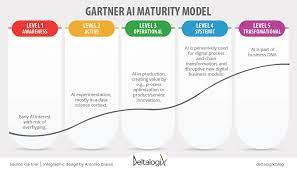
The AI Capability Maturity Model (AI CMM), devised by the Artificial Intelligence Center of Excellence within the GSA IT Modernization Centers of Excellence (CoE), functions as a standardized framework for federal agencies to evaluate their organizational and operational maturity levels. It is equally useful for private organizations in aligning them with predefined objectives. Instead of imposing normative capability assessments, the AI CMM concentrates on illuminating significant milestones indicative of maturity levels along the AI journey. The AI Capability Maturity Model focuses primarily on the development of AI capabilities within an organization. It evaluates an organization’s maturity across four main areas: data, algorithms, technology, and people. Serving as a valuable tool, the AI CMM assists organizations in shaping their unique AI roadmap and investment strategy. The outcomes derived from AI CMM analysis empower decision-makers to identify investment areas that address immediate goals for rapid AI adoption while aligning with broader enterprise objectives in the long run. Maturity vs capability models A maturity model tends to measure activities, such as whether a certain tool or process has been implemented. In contrast, capability models are outcome-based, which means you need to use measurements of key outcomes to confirm that changes result in improvements. AI development rooted in sound software practices underpins much of the content discussed in this and other chapters. Though not explicitly delving into agile development methodology, Dev(Sec)Ops, or cloud and infrastructure strategies, these elements are fundamental to the successful development of AI solutions. The AI CMM elaborates on how a robust IT infrastructure leads to the most successful development of an organization’s AI practice. What are the maturity levels of AI? What are the maturity levels of Artificial Intelligence? Or it can be measured this way. AI Maturity Model Why is AI maturity important? The AI Maturity Assessment is a process designed to help organizations evaluate their current AI capabilities, identify gaps and areas for improvement, and develop a roadmap to build a more effective AI program. Organizational Maturity Areas Organizational maturity areas represent the capacity to embed AI capabilities across the organization. Two approaches, top-down and user-centric, offer distinct perspectives on organizational maturity. Top-Down, Organizational View Bottom-Up, User-centric View Operational Maturity Areas Operational maturity areas represent organizational functions impacting the implementation of AI capabilities. Each area is treated as a discrete capability for maturity evaluation, yet they generally depend on one another. PeopleOps CloudOps DevOps SecOps DataOps MLOps AIOps AI Capability Maturity Model This comprehensive overview of organizational and operational maturity areas underlines the multifaceted nature of AI implementation and the critical role played by diverse elements in ensuring success across different layers of an organization. How AI is transforming the world? AI-powered technologies such as natural language processing, image and audio recognition, and computer vision have revolutionized the way we interact with and consume media. With AI, we are able to process and analyze vast amounts of data quickly, making it easier to find and access the information we need. Like1 Related Posts Who is Salesforce? Who is Salesforce? Here is their story in their own words. From our inception, we’ve proudly embraced the identity of Read more Salesforce Marketing Cloud Transactional Emails Salesforce Marketing Cloud Transactional Emails are immediate, automated, non-promotional messages crucial to business operations and customer satisfaction, such as order Read more Salesforce Unites Einstein Analytics with Financial CRM Salesforce has unveiled a comprehensive analytics solution tailored for wealth managers, home office professionals, and retail bankers, merging its Financial Read more AI-Driven Propensity Scores AI plays a crucial role in propensity score estimation as it can discern underlying patterns between treatments and confounding variables Read more
Read More
Salesforce Revenue Lifecycle Management

Salesforce Revenue Lifecycle Management

Seamless Revenue Lifecycle Management Powered by Salesforce Revenue Cloud Is your company struggling to manage complex revenue streams, manual billing processes, or compliance with ASC 606 and IFRS 15 standards? Tectonic specializes in implementing Salesforce Revenue Lifecycle Management solutions through Salesforce Revenue Cloud. We offer tailored strategies for mid-market and enterprise companies across industries like High Tech, SaaS, Manufacturing, Hospitality, and Life Sciences. Industries We Serve The Challenges You Face Managing complex revenue streams can be overwhelming without the right systems. If your business is facing challenges like: Tectonic’s Tailored Solutions – Salesforce Revenue Lifecycle Management We leverage Salesforce Revenue Cloud to automate and streamline your Salesforce Revenue Lifecycle Management, helping companies overcome these challenges with ease. Key Use Cases for Salesforce Revenue Lifecycle Management (RLM) Content updated September 2024. Like Related Posts Who is Salesforce? Who is Salesforce? Here is their story in their own words. From our inception, we’ve proudly embraced the identity of Read more Salesforce Marketing Cloud Transactional Emails Salesforce Marketing Cloud Transactional Emails are immediate, automated, non-promotional messages crucial to business operations and customer satisfaction, such as order Read more Salesforce Unites Einstein Analytics with Financial CRM Salesforce has unveiled a comprehensive analytics solution tailored for wealth managers, home office professionals, and retail bankers, merging its Financial Read more AI-Driven Propensity Scores AI plays a crucial role in propensity score estimation as it can discern underlying patterns between treatments and confounding variables Read more

Read More
gettectonic.com