AIoT, or the Artificial Intelligence of Things, refers to the integration of Artificial Intelligence (AI) with the Internet of Things (IoT). Welcome to New Word Wednesday.
This combination leverages the data-collecting capabilities of IoT devices and the analytical power of AI to create intelligent systems that can make autonomous decisions and improve efficiency in various applications.
What is AIoT?
- IoT (Internet of Things): IoT refers to the vast network of physical devices – like sensors, appliances, vehicles, and more – that are embedded with sensors, software, and other technologies to connect and exchange data with other devices and systems over the internet.
- AI (Artificial Intelligence): AI encompasses the ability of machines to perform tasks that typically require human intelligence, such as learning, problem-solving, and decision-making.
- AIoT’s Role: By combining AI and IoT, AIoT systems can go beyond simple data collection and analysis to perform more advanced tasks like predictive maintenance, anomaly detection, and personalized recommendations.
Key Benefits of AIoT:
- Improved Efficiency: AI algorithms can analyze data from IoT devices to optimize processes, reduce waste, and streamline operations, leading to increased efficiency and productivity.
- Enhanced Decision-Making: AIoT systems can make real-time decisions based on data analysis, enabling faster and more informed responses to changing situations.
- Increased Automation: AIoT can automate tasks that would otherwise require human intervention, freeing up human resources for more complex or strategic tasks.
- Personalized Experiences: AIoT can analyze user data to provide personalized recommendations and tailored experiences, enhancing customer satisfaction.
- Predictive Maintenance:. AI algorithms can analyze data from IoT devices to predict potential equipment failures, allowing for proactive maintenance and reducing downtime.
- Improved Security:. AIoT systems can detect and respond to security threats in real-time, enhancing the security of systems and data.
Examples of AIoT in Action:
- Smart Homes:. AIoT can automate tasks like adjusting thermostat settings based on occupancy and preferences, optimizing energy consumption.
- Smart Cities:. AIoT can improve traffic flow, optimize waste management, and enhance public safety.
- Healthcare: AIoT can enable remote patient monitoring, early disease detection, and personalized treatment plans.
- Manufacturing:. AIoT can optimize production processes, predict equipment failures, and improve worker safety.

AIoT represents a significant advancement in how we interact with technology, moving from simple data collection to intelligent systems that can learn, adapt, and make decisions on their own.

Who is Salesforce? Here is their story in their own words. From our inception, we've proudly embraced the identity of Read more

Salesforce has unveiled a comprehensive analytics solution tailored for wealth managers, home office professionals, and retail bankers, merging its Financial Read more
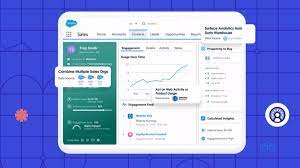
AI plays a crucial role in propensity score estimation as it can discern underlying patterns between treatments and confounding variables Read more

Salesforce Technology Services Integrator - Tectonic has successfully delivered Salesforce in a variety of industries including Public Sector, Hospitality, Manufacturing, Read more