Salesforce Einstein Archives - gettectonic.com - Page 20
Salesforce Sales Cloud

Salesforce for the Inside Sales Team

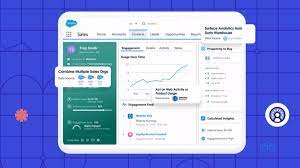
Inside sales serves as the cornerstone of a thriving sales organization. The efficient model using Salesforce for the inside sales team enables the delivery of personalized human interactions. Salesforce facilitates rapid scalability. Inside sales involves sales representatives engaging with and selling to customers via phone or digital channels rather than face-to-face interactions. This approach not only streamlines business operations but also fosters organizational and personal growth. Modern technology enhances the productivity and effectiveness of inside sales teams by providing valuable data and insights. Whether your team is making or receiving calls, employing the inside sales methodology, business development, or a similar approach yields results. This strategy, known as Sales Engagement, focuses on promptly connecting with customers through their preferred channels. In today’s fast-paced environment, buyers expect personalized engagement and that it aligns with their needs. Inside sales teams, often responsible for initial contact and research, play a crucial role in setting the stage for a successful sales process. Salesforce for the inside sales team provides that personalized engagement,. This example is actually how Salesforce itself handles inside sales. Inside sales teams can be structured as generalized, specialized, or segmented entities, catering to diverse business needs. Salesforce, following a Quantity and Quality approach, emphasizes multiple touches to nurture leads effectively. Leveraging advanced tools and strategic timing, Salesforce maximizes sales touches, ensuring engagement during opportune moments. The organization has mastered the art of striking while the iron is hot, reaching out to potential leads promptly after engagement. Salesforce combines quantity with quality, recognizing that 64% of customers expect personalized engagement based on past interactions and interests. Salesforce representatives meticulously research target companies to tailor personalized sales communications. Sales Engagement Of particular interest are the tools employed by Salesforce for inside sales. Sales Engagement, a solution automating record-keeping and streamlining the selling process, is accessible to all Salesforce customers as an add-on to Sales Cloud. With features like email integration, automated activity logging, Sales Dialer, and AI-driven tools like Einstein Lead Scoring and Einstein Conversation Insights, Salesforce empowers its inside sales teams. They work smarter, not harder. High Velocity Sales Salesforce’s Sales Engagement tool, formerly known as High Velocity Sales, enhances inside sales reps’ ability to engage buyers more efficiently, effectively, and with greater agility. With the right tools at their disposal, inside sales teams can provide a seamless experience, essential for winning and retaining new business. Tectonic recognizes the pivotal role of inside sales and supports our clients in optimizing their processes with Salesforce’s Sales Engagement tool, ensuring a more streamlined and productive approach to closing deals. Contact Tectonic today to discuss how Salesforce Sales Engagement can empower your inside sales team. Like Related Posts Who is Salesforce? Who is Salesforce? Here is their story in their own words. From our inception, we’ve proudly embraced the identity of Read more Salesforce Marketing Cloud Transactional Emails Salesforce Marketing Cloud Transactional Emails are immediate, automated, non-promotional messages crucial to business operations and customer satisfaction, such as order Read more Salesforce Unites Einstein Analytics with Financial CRM Salesforce has unveiled a comprehensive analytics solution tailored for wealth managers, home office professionals, and retail bankers, merging its Financial Read more AI-Driven Propensity Scores AI plays a crucial role in propensity score estimation as it can discern underlying patterns between treatments and confounding variables Read more

Read More
Einstein Discovery

Einstein Discovery Analysis

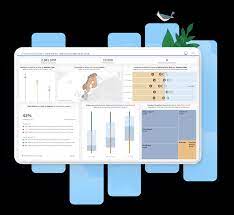
Elevate Your Business Outcomes with Einstein Discovery Analysis Einstein Discovery revolutionizes your approach to predictive analytics, allowing you to effortlessly build reliable machine learning models without any coding. Reduce reliance on data science teams with an intuitive model-building wizard and streamlined monitoring process. Transition swiftly from data to actionable insights, ensuring every decision is guided by intelligence. Enhance Your Business Intelligence with Einstein Discovery Incorporate statistical modeling and machine learning into your business intelligence with Einstein Discovery. Seamlessly integrated into your Salesforce environment, operationalize data analysis, predictions, and enhancements with clicks, not code. Developers can utilize the Einstein Prediction Service to access predictions programmatically, while data specialists can predict outcomes within recipes and dataflows. Tableau users can also leverage Einstein Discovery predictions and improvements directly within Tableau. Advanced Analytics Made Simple with Einstein Discovery Einstein Discovery offers a comprehensive suite of business analytics tailored to your specific data needs. Licensing and Permission Requirements for Einstein Discovery To utilize Einstein Discovery, your organization needs the appropriate license, with user accounts assigned relevant permissions. Supported Use Cases and Implementation Tasks Einstein Discovery solutions effectively address common business use cases, typically involving a series of defined implementation tasks. Key Differentiation: Einstein Analytics vs. Einstein Discovery While Einstein Analytics integrates predictive and analytical capabilities within Sales, Service, and Marketing clouds, Einstein Discovery is specifically focused on providing actionable insights and data-driven stories. Key Benefits of Einstein Discovery Supported Data Integration and Functionality Einstein Discovery enables direct integration and import of data from external sources like Hadoop, Oracle, and Microsoft SQL Server. It extracts data from diverse sources, leveraging AI, ML, and statistical intelligence to identify patterns and generate informed predictions. Enhanced Features Einstein Discovery seamlessly integrates insights into Tableau workflows, unlocks insights from unstructured data, fine-tunes prediction accuracy with trending data, handles missing values in datasets, accelerates prediction processing with high-volume writeback, and offers enhanced settings panels for efficient prediction management. Partner with Tectonic for Expert Guidance Collaborate with experienced Salesforce services providers like Tectonic to maximize the benefits of Einstein Discovery, ensuring a seamless implementation process and ongoing support. Empower Your Business with Einstein Discovery Einstein Discovery delivers automated data analysis, interactive visualizations, and predictive insights to elevate decision-making and optimize business operations. Unlock the power of AI-driven analytics within your Salesforce ecosystem to accelerate growth and gain a competitive edge. Like Related Posts Who is Salesforce? Who is Salesforce? Here is their story in their own words. From our inception, we’ve proudly embraced the identity of Read more Salesforce Marketing Cloud Transactional Emails Salesforce Marketing Cloud Transactional Emails are immediate, automated, non-promotional messages crucial to business operations and customer satisfaction, such as order Read more Salesforce Unites Einstein Analytics with Financial CRM Salesforce has unveiled a comprehensive analytics solution tailored for wealth managers, home office professionals, and retail bankers, merging its Financial Read more AI-Driven Propensity Scores AI plays a crucial role in propensity score estimation as it can discern underlying patterns between treatments and confounding variables Read more

Read More
Salesforce AI

Einstein Opportunity Scoring

Let Salesforce’s artificial intelligence help you and your team focus on the right opportunities so you can close more deals with Einstein Opportunity Scoring. Each opportunity in Salesforce is given a score, from 1 to 99, which is available on opportunity records and list views. Sales reps use these opportunity scores to identify top opportunities. If you use Collaborative Forecasts, opportunity scores are also available on the forecasts page. Plus, use scores with reports, Process Builder, and workflows. Einstein Opportunity Scoring is available to users with or without a Sales Cloud Einstein license. Opportunity scores tell you the likelihood that an opportunity will be closed won. For each opportunity score, Einstein shows the factors that have contributed the most to the score, both positively and negatively. Einstein uses your team’s past closed opportunities, won and lost, to create a predictive scoring model.  This model helps identify which opportunities are most likely to result in a win. Einstein Opportunity Scoring in Lightning In Lightning Experience, the score is shown on the compact layout of opportunity records or on the Details tab. Hover over the score to see a list of factors that contribute to the score. For example, a score could be relatively high because the opportunity is moving quickly through the stages compared to other opportunities. In Salesforce Classic, the score is shown on the record detail of opportunity records. The contributing factors are shown. You can add the Opportunity Score field to any of your opportunity list views. If you don’t see the score on public list views, ask your Salesforce admin to add it. In Lightning Experience, hover over the score in the list view to see the factors that contribute to the score. In Salesforce Classic, the contributing factors aren’t available from the list views. Instead, navigate to the opportunity record detail page. The opportunity score can be calculated using a variety of factors, such as market demand, competitive landscape, the potential ROI, and the resources required to pursue the opportunity. Einstein Opportunity Scoring provides an unbiased, objective prediction on the likelihood of a deal closing, based on data patterns from previously closed deals. Then, take the guesswork out of forecasting. Einstein Forecasting uses AI technology to bring more certainty and visibility to your forecasts. Improve forecasting accuracy, get forecast predictions, and track how sales teams are doing. What is the difference between Einstein Lead Scoring and opportunity scoring? Einstein Opportunity Scoring is part of Sales Cloud Einstein Scoring, which also includes Einstein Lead Scoring. In the hierarchy, Einstein Lead Scoring comes under Salesforce’s Sales Cloud Einstein model. Opportunity scores tell the salesperson the likelihood of an opportunity to be won. Like1 Related Posts Salesforce Marketing Cloud Transactional Emails Salesforce Marketing Cloud Transactional Emails are immediate, automated, non-promotional messages crucial to business operations and customer satisfaction, such as order Read more Salesforce Unites Einstein Analytics with Financial CRM Salesforce has unveiled a comprehensive analytics solution tailored for wealth managers, home office professionals, and retail bankers, merging its Financial Read more AI-Driven Propensity Scores AI plays a crucial role in propensity score estimation as it can discern underlying patterns between treatments and confounding variables Read more Asset Management Salesforce Can Salesforce do asset management? You can manage assets in Consumer Goods (desktop) and in the Consumer Goods offline mobile Read more
Read More
Design to No-silo Teams

Design to No-silo Teams

Design Tips to ‘No-Silo Mentality’ Your Teams Working in silos is a detrimental organizational condition where a team, or group of teams, isolates itself from the rest of the organization. This can happen intentionally, due to organizational structures, or simply as an unintended consequence over time. Design to No-silo Teams can eliminate silos. Silos often result in withheld information, poor collaboration, and work that is misaligned with company goals. What is a No Silo Mentality? A no silo mentality is the practice of actively resisting the natural tendency to create divisions within a company. This approach aims to prevent the formation of an “us versus them” mindset among different teams or levels of leadership, fostering a more unified and collaborative corporate culture. Here are design tips to no-silo your teams. And here are 7 steps to create better collaboration, while you are at it. 7 Strategies to Break Down Team Silos and Enhance Team Effectiveness Highly collaborative and connected teams are more agile and better equipped to meet user needs. In fact, 72% of leaders believe merging teams and responsibilities can improve overall operational efficiency. Here are seven strategies to break down team silos and improve team effectiveness: By implementing these strategies, you can break down silos, enhance team collaboration, and improve overall effectiveness, leading to greater agility and better alignment with user needs. Working in silos is the opposite of collaboration; silos prevent individuals from being part of a team with a unified vision, while different teams work amongst themselves, not knowing what’s happening with other departments or initiatives in the business. By implementing these no-siloed Design tips, you can effectively ‘no-silo’ your product and other teams, fostering a culture of collaboration that enhances customer satisfaction and drives success. Content updated April 2024. Like Related Posts Who is Salesforce? Who is Salesforce? Here is their story in their own words. From our inception, we’ve proudly embraced the identity of Read more Tectonic’s Successful Salesforce Track Record Salesforce Technology Services Integrator – Tectonic has successfully delivered Salesforce in a variety of industries including Public Sector, Hospitality, Manufacturing, Read more Asset Management Salesforce Can Salesforce do asset management? You can manage assets in Consumer Goods (desktop) and in the Consumer Goods offline mobile Read more What is Salesforce? Salesforce is cloud-based CRM software. It makes it easier for companies to find more prospects, close more deals, and connect Read more

Read More
Salesforce Einstein Automate Explained

Salesforce Einstein Automate Explained

Introducing Einstein Automate, a comprehensive workflow automation solution by Salesforce, empowering individuals and businesses to boost productivity. With AI-infused bots, flows, and components, the new Flow Orchestrator transforms intricate processes into dynamic, industry-relevant experiences. Moreover, the new MuleSoft Composer for Salesforce enables every member of an organization to seamlessly integrate data from multiple systems into Salesforce, without the need for writing code. Leveraging pre-built resources from AppExchange and OmniStudio further accelerates the implementation of automation initiatives. Recognizing the digital imperative faced by organizations today, Einstein Automate offers automation capabilities tailored for every business function and industry. This solution enables individuals across companies to construct intelligent workflows and integrate data across systems effortlessly, using clicks instead of code. The Flow Orchestrator, a low-code workflow development tool, empowers users to compose workflows automating complex, multi-user processes and approvals. AI-generated next steps and recommendations expedite projects and processes, identifying bottlenecks and streamlining operations. Discover over 700 automation solutions on the new Einstein Automate collection page on Salesforce AppExchange, including solutions for robotic process automation (RPA), Einstein Bots, Flow Templates, Actions and Components, MuleSoft Connectors, Process Libraries, and partner solutions. These pre-built solutions allow organizations to implement automation quickly, without the need to build from scratch. OmniStudio provides businesses with no-code tools and pre-built guided experiences to deliver digital-first and industry-specific experiences to customers across multiple devices and channels. With features like dynamic, guided screen flows and the ability to gather data from any document, image, or legacy system, OmniStudio enhances user experience and boosts productivity. Einstein Next Best Action automatically presents recommendations and flow actions to users, while Einstein Recommendation Builder enables personalized recommendations. With updates across various features like Article Answers, External Services, and Model Sharing, Salesforce continues to enhance the capabilities of its automation tools, ensuring seamless integration and improved efficiency across the platform. Content updated August 2023. Like1 Related Posts Who is Salesforce? Who is Salesforce? Here is their story in their own words. From our inception, we’ve proudly embraced the identity of Read more Salesforce Marketing Cloud Transactional Emails Salesforce Marketing Cloud Transactional Emails are immediate, automated, non-promotional messages crucial to business operations and customer satisfaction, such as order Read more Salesforce Unites Einstein Analytics with Financial CRM Salesforce has unveiled a comprehensive analytics solution tailored for wealth managers, home office professionals, and retail bankers, merging its Financial Read more AI-Driven Propensity Scores AI plays a crucial role in propensity score estimation as it can discern underlying patterns between treatments and confounding variables Read more

Read More

AI in Sales Enablement

automation, and personalization to enhance sales processes, increase customer engagement, and drive revenue growth. Companies are working with AI to improve analysis of all customer contact points to both identify leads and weigh lead quality. That includes ingesting information from web pages, email campaigns, phone calls, and much more.

Read More
AI-driven propensity scores

AI-Driven Propensity Scores

AI plays a crucial role in propensity score estimation as it can discern underlying patterns between treatments and confounding variables through machine learning, without explicit programming. This insight has gone through numerous updates as the information and use of AI-driven propensity scores evolved. In many cases, writers give a brief overview of the what of a tool. Today, we are going way beyond “what the sausage tastes like” to “how the sausage is made” Tectonic hopes you will enjoy learning how propensity models and AI driven propensity scores improve your data. Propensity Model in Artificial Intelligence: Propensity modeling generates a propensity score, representing the probability that a visitor, lead, or customer will take a specific action. For instance, a propensity model, using data science or machine learning, can help predict the likelihood of a lead converting to a customer. AI-driven propensity scores take an existing data model and improve its predictions, speed, and analysis with AI. Propensity Score in CRM: In CRM, a propensity score is the model’s probabilistic estimate of a customer performing a specific action. Grouping customers by score ranges allows for effective comparison and analysis within each bucket. Enhancing Propensity Modeling with AI: Traditional statistical propensity models might lack accuracy, but integrating machine learning technologies, as demonstrated by Alphonso, can significantly optimize ad spend and increase prediction accuracy from 8% to 80%. That’s a whopping 72% improvement. Propensity Modeling Overview: Propensity modeling involves predictive models analyzing past behaviors to forecast the future actions of a target audience. It identifies the likelihood of specific actions, aiding in personalized marketing. Role of Machine Learning in Propensity Models: Propensity models rely on machine learning algorithms, acting as binary classifiers predicting whether a certain event or behavior will occur. Logistic regression and Classification and Regression Tree Analysis are common methods for calculating propensity scores. Characteristics of Effective Propensity Models: For robust predictions, propensity models should be dynamic, scalable, and adaptive. Dynamic models adapt to trends, scalable for diverse predictions, and adaptive with regular data updates. Propensity Modeling Applications: Propensity models find applications in predicting customer behavior, such as purchasing, converting, churning, or engaging. Real-time predictions, data analysis, and AI integration contribute to successful implementations. AI-driven propensity scores are extremely useful in that they can be coupled with many other models to give additional insights to your data. Types of Propensity Score Models: Various models include propensity to purchase/convert, customer lifetime value (CLV), propensity to churn, and propensity to engage. Combining models can enhance the effectiveness of marketing campaigns. When to Use Propensity Scores: Propensity scores are beneficial when random assignment of treatments is impractical. They help estimate treatment effects in observational studies, providing an alternative to traditional model-building methods. Limitations of Propensity Score Methods: While propensity scores help achieve exchangeability between exposed and unexposed groups, they do not claim to eliminate confounding due to unmeasured covariates. Findings from observational studies must be interpreted cautiously due to potential residual confounding. Content updated October 2021. Content updated February 2025. Like3 Related Posts Who is Salesforce? Who is Salesforce? Here is their story in their own words. From our inception, we’ve proudly embraced the identity of Read more Salesforce Marketing Cloud Transactional Emails Salesforce Marketing Cloud Transactional Emails are immediate, automated, non-promotional messages crucial to business operations and customer satisfaction, such as order Read more Salesforce Unites Einstein Analytics with Financial CRM Salesforce has unveiled a comprehensive analytics solution tailored for wealth managers, home office professionals, and retail bankers, merging its Financial Read more Tectonic’s Successful Salesforce Track Record Salesforce Technology Services Integrator – Tectonic has successfully delivered Salesforce in a variety of industries including Public Sector, Hospitality, Manufacturing, Read more

Read More
gettectonic.com