
Salesforce Data Cloud: The Engine Behind Smarter AI & Automation
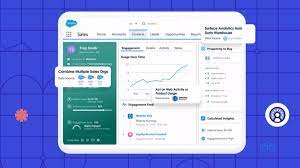
Salesforce Data Cloud isn’t just another database—it’s the real-time nervous system powering personalized experiences, AI-driven decisions, and seamless automation across Salesforce. By unifying structured and unstructured data (from CRM, websites, data lakes, and more), it creates a single, dynamic customer view—instantly accessible across your org.
But with great power comes new complexities, especially for DevOps teams managing deployments, governance, and scalability. Here’s what you need to know.
What Is Salesforce Data Cloud?
Formerly known as Salesforce CDP or Genie, Data Cloud is Salesforce’s customer data platform (CDP) built for:
- Real-time unification – Breaks down silos by connecting CRM, marketing tools, and external systems (Snowflake, BigQuery, etc.).
- AI-ready intelligence – Powers Agentforce with live data, enabling AI agents to act contextually (e.g., resolving support tickets, recommending next steps).
- Self-service analytics – Lets business users create segments, trigger automations, and personalize experiences without coding.
Key Features
| Feature | Why It Matters |
|---|---|
| Zero-Copy Connectors | Query external data (e.g., Snowflake) without duplication—reducing latency and cost. |
| Real-Time Customer Graph | Dynamically links identities (emails, devices, accounts) into a golden record. |
| Vector Search | Lets AI like Agentforce understand semantic meaning (not just keywords) in unstructured data. |
| Data Cloud Sandboxes | Test metadata (segments, identity rules) without production data. |
How Data Cloud Supercharges Agentforce
Agentforce’s AI agents rely on Data Cloud to:
- Answer complex questions – Pulls from unified profiles (e.g., “Show this customer’s recent orders and support cases”).
- Automate workflows – Triggers actions based on real-time behavior (e.g., “Flag high-risk accounts for review”).
- Adapt to ambiguity – Uses vector search to interpret vague requests (e.g., “Find clients like Acme Corp”).
Without Data Cloud, Agentforce would run on stale, fragmented data—limiting its value.
DevOps Challenges & Best Practices
Adopting Data Cloud introduces new hurdles for DevOps teams:
1. Packaging & Version Control
- Problem: Data Cloud’s metadata (segments, identity rules) isn’t fully compatible with standard deployment tools.
- Fix: Use Data Kits (Salesforce’s packaging format) and enforce strict naming conventions.
2. Testing Limitations
- Problem: Sandboxes are metadata-only—no live data to preview segment logic.
- Fix: Automate synthetic data generation or mirror subsets of production data.
3. Governance at Scale
- Problem: Real-time data access increases compliance risks (e.g., PII exposure).
- Fix: Implement role-based access controls and audit trails for all metadata changes.
The Bottom Line
Data Cloud is a game-changer for AI and automation, but success requires:
✅ Collaboration between DevOps, data teams, and business users.
✅ Robust CI/CD pipelines tailored to Data Cloud’s unique metadata.
✅ Proactive governance to avoid data drift or compliance gaps.
Ready to transform data into action? Start with a clear strategy—or risk drowning in complexity.
TL;DR: Salesforce Data Cloud = real-time data unification for AI (like Agentforce). DevOps teams must adapt to its metadata quirks or face deployment chaos.
How’s your org handling Data Cloud? Share your lessons below!
🔔🔔 Follow us on LinkedIn 🔔🔔

Who is Salesforce? Here is their story in their own words. From our inception, we've proudly embraced the identity of Read more

Salesforce Marketing Cloud Transactional Emails are immediate, automated, non-promotional messages crucial to business operations and customer satisfaction, such as order Read more

Salesforce has unveiled a comprehensive analytics solution tailored for wealth managers, home office professionals, and retail bankers, merging its Financial Read more
AI plays a crucial role in propensity score estimation as it can discern underlying patterns between treatments and confounding variables Read more