Salesforce Marketing Cloud Archives - gettectonic.com - Page 4
Connect your Marketing Cloud Account to GA4

Connect your Marketing Cloud Account to GA4 by June 30, 2024

Starting on June 30, 2024, Google will no longer support its Google Universal Analytics (UA) service. As a result, after this date, Marketing Cloud Google Audiences and Journey Analytics are available only via Google Analytics 4 (GA4). Connect your Marketing Cloud Account to GA4. What you need to do If you haven’t yet migrated to GA4, complete the migration process by June 30, 2024 to maintain functionality. To learn more about the migration process and benefits of migrating to GA4, review Update to Google Analytics 4 Before July 1. If you’ve already migrated your Google Analytics account from UA to GA4, you can access the GA4 solutions available within Marketing Cloud Engagement today. By June 30, complete the following steps to ensure that your org’s journeys remain uninterrupted: Where can I get more information? For more details, see Google Analytics for Marketing Cloud Engagement. If you have questions or need help, open a case with support via Salesforce Help. Google Analytics Integration for Marketing Cloud Engagement Integrate Google Analytics with Marketing Cloud Engagement to use Google Analytics capabilities to track and analyze journey activity. You can also view the resulting metrics directly in Marketing Cloud Engagement. Google’s native authentication creates a secure link between your Marketing Cloud Engagement instance and your Google Analytics account. To use this integration, your Marketing Cloud Engagement account must have the Google Analytics Audiences SKU. You must also have at least a Marketing Cloud Engagement Enterprise 2.0 account. For more information about these requirements, contact your Salesforce account representative. This integration supports Google Analytics properties that are created using the latest version of the Google Analytics platform, known as Google Analytics 4 or GA4. It supports both the free version and the paid Google Analytics 360 enterprise version. You can revoke the integration from a Google Analytics account. For the integration, Google recommends that you designate a primary company account to track all your properties and views. For more information, see the Google Hierarchy of organizations, accounts, users, properties, and views. Before you configure the Google Analytics Integration for Marketing Cloud Engagement: Like1 Related Posts Who is Salesforce? Who is Salesforce? Here is their story in their own words. From our inception, we’ve proudly embraced the identity of Read more Salesforce Marketing Cloud Transactional Emails Salesforce Marketing Cloud Transactional Emails are immediate, automated, non-promotional messages crucial to business operations and customer satisfaction, such as order Read more Salesforce Unites Einstein Analytics with Financial CRM Salesforce has unveiled a comprehensive analytics solution tailored for wealth managers, home office professionals, and retail bankers, merging its Financial Read more AI-Driven Propensity Scores AI plays a crucial role in propensity score estimation as it can discern underlying patterns between treatments and confounding variables Read more


Read More
Education Cloud Academic Operations Explained

Education Cloud Academic Operations Explained

Education Cloud Academic Operations Academic Operations serves as the central hub for creating and managing your institution’s learning-related objects and the relationships between them. With this powerful tool, staff can: The entities you set up in Academic Operations—such as learning courses, programs, and schedules—lay the groundwork for the Recruitment & Admissions and Student Success apps. For instance, curricula and program data form the basis of your course catalog, while plans created in Program Plan Builder flow into Intelligent Degree Planning, guiding the Learner Progress View. Configuring Academic Operations To configure Academic Operations for your institution: Integration Capabilities Salesforce’s education data model seamlessly integrates with various Salesforce tools, including Data Cloud, Marketing Cloud, Salesforce Scheduler, and Einstein AI, as well as custom components like a comments feature and outcome management tools. This integration ensures a comprehensive solution for managing and enhancing the entire learning experience. Like Related Posts Who is Salesforce? Who is Salesforce? Here is their story in their own words. From our inception, we’ve proudly embraced the identity of Read more Salesforce Marketing Cloud Transactional Emails Salesforce Marketing Cloud Transactional Emails are immediate, automated, non-promotional messages crucial to business operations and customer satisfaction, such as order Read more Salesforce Unites Einstein Analytics with Financial CRM Salesforce has unveiled a comprehensive analytics solution tailored for wealth managers, home office professionals, and retail bankers, merging its Financial Read more AI-Driven Propensity Scores AI plays a crucial role in propensity score estimation as it can discern underlying patterns between treatments and confounding variables Read more

Read More
AMPScript Editor Explained

AMPScript Editor Explained

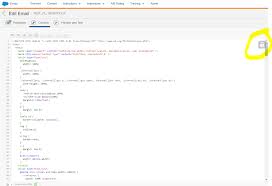
What is the Purpose of AMPscript? AMPScript Editor Explained. AMPscript serves a multitude of purposes, primarily focusing on personalization within Salesforce Marketing Cloud. This scripting language empowers users to personalize their emails by integrating subscriber or contact data. From addressing recipients by their first names to tailoring content based on individual preferences, AMPscript enhances the overall effectiveness of marketing campaigns. Exploring Inline AMPscript Inline AMPscript represents a specific use of AMPscript, distinguishing itself from AMPscript blocks. While AMPscript blocks can contain multiple lines of code, inline AMPscript typically serves a single function. The output of this function appears at the code’s location within the message. Noteworthy, inline AMPscript supports nested functions, contributing to its versatility. Understanding AMPscript in Salesforce Marketing Cloud AMPscript is Salesforce Marketing Cloud’s proprietary scripting language, prized for its ease of learning and its capacity to facilitate personalization across diverse digital marketing channels. It seamlessly integrates within HTML emails, text emails, landing pages, SMS messages, or push notifications. However, Salesforce Marketing Cloud lacks dedicated tools for editing AMPscript, both within and outside the user interface, resulting in a somewhat rudimentary and error-prone script-writing experience. Enhancing the AMPscript Editing Experience To improve the AMPscript editing process, various tools and extensions have been developed: Retrieving Data with AMPscript To fetch data from a data extension using AMPscript, the Lookup() function is employed. This function necessitates parameters such as the data extension name, the column for data retrieval, and the columns utilized for search and value specification. Like1 Related Posts Salesforce Marketing Cloud Transactional Emails Salesforce Marketing Cloud Transactional Emails are immediate, automated, non-promotional messages crucial to business operations and customer satisfaction, such as order Read more Perfect Drip Campaign In an ideal world, you effortlessly conquer the lead generation challenges with one creative arm tied behind your back, craft Read more Lookup Relationship in Salesforce What is Lookup relationship in Salesforce? Salesforce’s lookup relationships is a significant capability that allows users to connect two objects Read more Salesforce Content Builder Salesforce Content Builder empowers you to craft compelling emails and landing page templates, complete with reusable and interactive content blocks. Read more

Read More
Salesforce Marketing Cloud Distributed Marketing

Salesforce Marketing Cloud Distributed Marketing

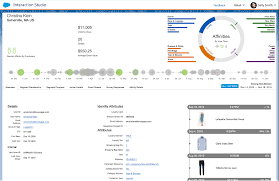
Salesforce Marketing Cloud Distributed Marketing does leverage Salesforce CMS for content management. Distributed Marketing allows central marketing teams to create and deliver content to non-marketers (distributed marketers) using the Customer Success Platform. This includes accessing content, like email templates and marketing materials, through Salesforce CMS.  Here’s How: Like Related Posts Who is Salesforce? Who is Salesforce? Here is their story in their own words. From our inception, we’ve proudly embraced the identity of Read more Salesforce Marketing Cloud Transactional Emails Salesforce Marketing Cloud Transactional Emails are immediate, automated, non-promotional messages crucial to business operations and customer satisfaction, such as order Read more Salesforce Unites Einstein Analytics with Financial CRM Salesforce has unveiled a comprehensive analytics solution tailored for wealth managers, home office professionals, and retail bankers, merging its Financial Read more AI-Driven Propensity Scores AI plays a crucial role in propensity score estimation as it can discern underlying patterns between treatments and confounding variables Read more
Read More
Salesforce Marketing Cloud

Email Templates in Marketing Cloud

Take your email marketing endeavors to new and amazing heights with Salesforce Marketing Cloud (SFMC), leveraging the prowess of AI-driven personalization and streamlined campaign management. Email Templates in Marketing Cloud are a great tool. Salesforce Marketing Cloud empowers you to seamlessly integrate all your campaigns, from transactional to promotional messages, while efficiently managing your email sender score. With SFMC’s consolidated platform, you can effortlessly select the perfect content for each customer from a centralized library, ensuring a tailored and captivating experience. If you’re new to constructing Marketing Cloud Email templates, don’t worry! Free online resources are available to guide you through the process. Dive into the art of building reusable email templates in Salesforce Marketing Cloud with this comprehensive step-by-step insight: In the space of email marketing, timing is crucial, and SFMC understands this reality and aids you in getting the timing right. Whether it’s sending a timely thank-you note or a birthday greeting, SFMC equips email marketers with the necessary tools to respond promptly and efficiently to their subscribers’ needs. One such tool is the creation of reusable email templates, streamlining the process of crafting personalized and captivating email campaigns. Introduction to Salesforce Email Templates in Marketing Cloud A Salesforce email template serves as a structured foundation for email communications, providing email marketers with a canvas to build upon and personalize. These templates can be customized with brand elements, contact details, and content blocks, facilitating the creation of consistent and visually appealing emails. When digging into the creation of reusable email templates in SFMC, it’s beneficial to visualize the design in three separate layers: Creating Reusable Content Blocks in SFMC Email Studio and Content Builder Before diving into email template construction, it’s crucial to understand the creation of reusable content blocks in SFMC: Creating a Reusable Email Template in SFMC Content Builder: To craft a reusable email template in SFMC Content Builder, adhere to these steps: Modifying a Reusable Email Template in SFMC Content Builder To tweak an existing template: Creating an Email from a Salesforce HTML Email Template in SFMC Content Builder: To generate an email from a template: Saving an Existing Email Message as a Reusable Email Template in SFMC Content Builder Sometimes an email performs so well you want to save it as a reusable template. To preserve an existing email as a template: Mastering email template creation in Salesforce Marketing Cloud is pivotal for efficient and effective email marketing campaigns. By following this insight, you’ll be armed with the knowledge and tools to fashion compelling email templates that foster engagement and yield tangible results. By Tectonic’s Salesforce Marketing Solutions Architect Shannan Hearne Learn about Tectonic’s Marketing Cloud Salesforce Implementation Solutions. Like Related Posts Who is Salesforce? Who is Salesforce? Here is their story in their own words. From our inception, we’ve proudly embraced the identity of Read more Salesforce Marketing Cloud Transactional Emails Salesforce Marketing Cloud Transactional Emails are immediate, automated, non-promotional messages crucial to business operations and customer satisfaction, such as order Read more Salesforce Unites Einstein Analytics with Financial CRM Salesforce has unveiled a comprehensive analytics solution tailored for wealth managers, home office professionals, and retail bankers, merging its Financial Read more AI-Driven Propensity Scores AI plays a crucial role in propensity score estimation as it can discern underlying patterns between treatments and confounding variables Read more

Read More
beyond inc leverages salesforce

Salesforce Takes Beyond Inc Beyond Personalized Shopping Experiences

Beyond, Inc., the parent company of renowned e-commerce brands such as Bed Bath and Beyond, Overstock, and Zulily, has unveiled an expanded commitment to leveraging Salesforce’s cutting-edge data and marketing solutions. Beyond Inc leverages Salesforce is to foster customer loyalty and deliver deeply personalized shopping experiences across all its brand portfolios. Beyond will now utilize Salesforce Data Cloud, powered by the Einstein 1 Platform, to unify customer data across multiple brands and enterprise data systems. This unified data will provide invaluable insights into customer behavior, preferences, and engagement patterns across Beyond’s diverse brand ecosystem. Marcus Lemonis, Executive Chairman of the Beyond, Inc. Board of Directors, underscored the company’s commitment to revolutionizing its approach to customer data management, emphasizing the importance of adopting a profit-oriented mindset and investing in customers who demonstrate a propensity for repeat purchases and loyalty. Lemonis previously implemented Salesforce solutions at Camping World Holdings. Lemonis is also the host of CNBC’s The Profit. Beyond Inc Leverages Salesforce Carlisha Robinson, Chief Customer Officer at Beyond, hailed the collaboration with Salesforce as a pivotal moment ushering in a new era of growth for the company. She emphasized the pivotal role of digital technologies in driving Beyond’s growth agenda, highlighting the company’s strategic utilization of the Einstein 1 Platform to unlock the full potential of AI and data-driven insights. Through this expanded collaboration, Beyond aims to execute personalized journeys using Salesforce Marketing Cloud, thereby increasing customer loyalty and spend across its brands. Ariel Kelman, Chief Marketing Officer at Salesforce, lauded Beyond’s adoption of Salesforce’s AI, Data Cloud, and integration technologies as instrumental in fostering deeply engaging and personalized interactions with customers. Kelman emphasized that providing personalized experiences is paramount in today’s customer-connected world, and Beyond’s initiatives will help drive revenue growth and enhance customer relationships in a whole new way. Like Related Posts Who is Salesforce? Who is Salesforce? Here is their story in their own words. From our inception, we’ve proudly embraced the identity of Read more Salesforce Marketing Cloud Transactional Emails Salesforce Marketing Cloud Transactional Emails are immediate, automated, non-promotional messages crucial to business operations and customer satisfaction, such as order Read more Salesforce Unites Einstein Analytics with Financial CRM Salesforce has unveiled a comprehensive analytics solution tailored for wealth managers, home office professionals, and retail bankers, merging its Financial Read more AI-Driven Propensity Scores AI plays a crucial role in propensity score estimation as it can discern underlying patterns between treatments and confounding variables Read more
Read More
why join the salesforce trailblazers

New Marketing Cloud Login

New login process for Salesforce Help On 5/3 Salesforce Help will support the Trailblazer account login for all Marketing Cloud customers. With this update, the current login experience for Marketing Cloud customers will be deprecated.  New Marketing Cloud Login The Trailblazer account unites your experience with SSO across more than 30 Salesforce digital properties. By logging into Salesforce Help with your Trailblazer account, you have a simplified way to create and manage open cases regardless of what Salesforce products you use. Follow these steps to prepare your Trailblazer account and log in to the Salesforce Help portal. This improved log in experience for Marketing Cloud users is a time saver you will really enjoy! From getting started to realizing value to resolving issues, Salesforce Help has the support resources you need to achieve success now. Trailblazer Account Setup for Salesforce Help Page Option 1: Use your Existing Trailblazer Account to Connect your Marketing Cloud accountIf you already use Salesforce Help for product support or Trailhead, you already have a Trailblazer profile, and there is no need to set up a new Trailblazer account. Option 2: Create a Trailblazer account using your Marketing Cloud accountIf you don’t have a Trailblazer account, you can create a Trailblazer account by using your Marketing Cloud account: Salesforce Help Portal Logging in to Salesforce Help using your Trailblazer accountSigning up or logging in to Trailblazer account with an email address means that you never set a password. Instead, you verify your identity with a single-use code sent to your email address. Let’s walk through the steps for using a single-use code. Notes: To keep your account secure, Trailblazer prompts you to verify any unverified email addresses or socials. If you see a prompt to verify them when logging in, or from your Trailblazer.me account settings page, there are some possible reasons. How to submit a Support Case on the Salesforce Help Portal Note: If you logged into Salesforce Help directly, you may be asked to manually input your Marketing Cloud account’s MID. Follow these steps to locate your Marketing Cloud account MID: Tip: If you navigate to Salesforce Help from within your Marketing Cloud account, your Marketing Cloud account MID will automatically be populated within the case submission form. Like Related Posts Who is Salesforce? Who is Salesforce? Here is their story in their own words. From our inception, we’ve proudly embraced the identity of Read more Salesforce Marketing Cloud Transactional Emails Salesforce Marketing Cloud Transactional Emails are immediate, automated, non-promotional messages crucial to business operations and customer satisfaction, such as order Read more Salesforce Unites Einstein Analytics with Financial CRM Salesforce has unveiled a comprehensive analytics solution tailored for wealth managers, home office professionals, and retail bankers, merging its Financial Read more AI-Driven Propensity Scores AI plays a crucial role in propensity score estimation as it can discern underlying patterns between treatments and confounding variables Read more

Read More
Why Use Marketing Cloud Mobile Connect

Mobile Marketing Strategy

In today’s multitasking digital landscape, customers are constantly engaged in various activities like texting, searching with Google, browsing social media, and ordering lunch, all on the same screen. Their usage requires you to develop a Mobile Marketing Strategy. To effectively reach these customers, mobile marketing must seamlessly integrate into their current mobile experience. This requires a unified platform that aligns with their digital habits. According to the Insider Intelligence 2023 Research, email remains the most preferred communication method among customers, with a whopping 93% preference rate. However, customer preferences vary significantly across different channels, presenting a challenge for marketers who need to choose the right channels for each context. To deliver the best customer experience, marketers need to bring together multiple channels by adhering to changing data sources and evolving customer expectations. As data sources for targeting shift towards digital identities and declared preferences, marketers must adapt their strategies accordingly. Here are guiding principles for an effective mobile marketing strategy: Understanding Mobile Channels: Push Notifications: SMS Messaging: Chat Apps: Key Takeaways: Like Related Posts Who is Salesforce? Who is Salesforce? Here is their story in their own words. From our inception, we’ve proudly embraced the identity of Read more Salesforce Marketing Cloud Transactional Emails Salesforce Marketing Cloud Transactional Emails are immediate, automated, non-promotional messages crucial to business operations and customer satisfaction, such as order Read more Salesforce Unites Einstein Analytics with Financial CRM Salesforce has unveiled a comprehensive analytics solution tailored for wealth managers, home office professionals, and retail bankers, merging its Financial Read more AI-Driven Propensity Scores AI plays a crucial role in propensity score estimation as it can discern underlying patterns between treatments and confounding variables Read more
Read More
Predictive Lead Scoring

Predictive Lead Scoring

Traditional lead scoring relies on predefined criteria and subjective assumptions, whereas predictive lead scoring (PLS) harnesses machine learning algorithms to analyze extensive data and identify key predictors of lead quality. Traditional lead scoring only learns from data if you revise your scoring methodology for it. Predictive lead scoring constantly reworks the machine learning model based on more and newer data. Traditional lead scoring can be impacted by human error and bias. PLS analyzes from historical data eliminating bias and error. PLS employs a machine learning model to assign scores to open leads based on historical data, enabling sales teams to prioritize effectively and improve lead qualification rates while reducing the time spent on lead qualification. Discover how AI can elevate PLS to new heights and transform various organizational functions amidst shrinking budgets and heightened performance expectations across sales and marketing teams. Key Benefits of Predictive Lead Scoring: PLS leverages data science and machine learning to analyze and predict future outcomes based on historical and current data, guiding businesses in identifying high-potential leads and optimizing resource allocation. Implementing Predictive Lead Scoring: AI CRM and PLS: AI-enabled CRM platforms like Salesforce’s Einstein Lead Scoring automate lead scoring processes, leveraging extensive data to predict lead quality and prioritize effectively for sales and marketing teams. Benefits of Predictive Lead Scoring: AI and Machine Learning in Lead Scoring: AI and machine learning enhance lead scoring by analyzing vast data sets, identifying patterns, and predicting behaviors for more accurate lead qualification and prioritization. A data-driven enterprise is a smarter enterprise acting on data and insights. Salesforce’s Intelligent Lead Scoring: Salesforce’s Einstein Lead Scoring automates lead scoring processes within Sales Cloud and Marketing Cloud, providing tailored metrics and insights for informed decision-making. Generative AI and Predictive Lead Scoring: Generative AI streamlines processes like email personalization and content creation, enhancing marketing effectiveness and productivity. Good PLS with AI and machine learning transforms lead management by leveraging data insights for efficient and accurate lead qualification, ultimately driving improved sales and marketing performance. Like Related Posts Who is Salesforce? Who is Salesforce? Here is their story in their own words. From our inception, we’ve proudly embraced the identity of Read more Salesforce Marketing Cloud Transactional Emails Salesforce Marketing Cloud Transactional Emails are immediate, automated, non-promotional messages crucial to business operations and customer satisfaction, such as order Read more Salesforce Unites Einstein Analytics with Financial CRM Salesforce has unveiled a comprehensive analytics solution tailored for wealth managers, home office professionals, and retail bankers, merging its Financial Read more AI-Driven Propensity Scores AI plays a crucial role in propensity score estimation as it can discern underlying patterns between treatments and confounding variables Read more
Read More
gettectonic.com