The CIO’s Playbook for AI Success: Persona-Centric Intelligence at Scale
The New Imperative: AI That Works the Way Your Teams Do
In today’s digital-first economy, AI isn’t just a tool—it’s the operating system of modern business. But too many enterprises treat AI as a one-size-fits-all solution, leading to low adoption, wasted investment, and fragmented value.
The winning strategy? Persona-based AI—designing intelligence that adapts to how different roles actually work.
From Siloed to Strategic: The Evolution of Enterprise AI
The Problem With Platform-Locked AI
Most organizations deploy AI in disconnected pockets—Salesforce for sales, Workday for HR, SAP for finance. This creates:
🔴 Duplicated efforts (multiple AI models doing similar tasks)
🔴 Inconsistent insights (CRM AI says one thing, ERP AI another)
🔴 Vendor lock-in (intelligence trapped in specific systems)
The Solution: System-Agnostic Intelligence
Forward-thinking CIOs are shifting to centralized AI “as a service”—decoupling intelligence from individual platforms to power seamless, cross-functional workflows.
Example:
- A unified forecasting model that works across Salesforce (sales), NetSuite (finance), and Anaplan (planning)
- Document AI that classifies contracts whether they’re in SharePoint, Box, or Google Drive
4 Pillars of a Persona-Based AI Strategy
1. Role-Specific Intelligence
AI should augment, not disrupt existing workflows:
🔹 Sales Reps: Real-time deal coaching, automated lead scoring
🔹 Customer Support: AI-generated case summaries, sentiment-triggered escalations
🔹 HR Teams: Smart resume screening, personalized onboarding bots
Real-World Impact:
*”Salesforce’s Agentforce cuts rep ramp time by 40% with AI role-plays tailored to each rep’s deal pipeline.”*
2. Generative AI That Works Behind the Scenes
GenAI isn’t just for drafting emails—it’s automating high-value workflows:
✔ Marketing: Dynamically localizing campaign creatives
✔ Legal: Auto-redlining contracts against playbooks
✔ IT: Converting trouble tickets into executable scripts
Key Consideration: Guardrails matter—implement strict controls for data privacy and IP protection.
3. Edge AI for Real-Time Action
Smart Cities Example:
📍 Problem: Mumbai’s traffic gridlock costs $22B/year in lost productivity
📍 AI Solution: Edge-powered cameras + sensors dynamically reroute vehicles without cloud latency
📍 Outcome: 30% faster emergency response times
Enterprise Use Cases:
- Factory floor defect detection
- Retail inventory tracking via smart shelves
4. Intelligent Automation: The Silent Productivity Engine
Combining RPA + AI automates complex processes end-to-end:
🔸 Finance: Invoice matching → fraud detection → payment approvals
🔸 Supply Chain: Demand forecasting → autonomous PO generation
🔸 IT: Self-healing network alerts → auto-remediation
The CIO Action Plan
1. Audit Existing AI Deployments
- Map all AI tools by function, persona, and data source
- Identify redundancies (e.g., 3 different chatbots for HR, IT, and facilities)
2. Build a Central AI Layer
- Deploy model orchestration (e.g., Databricks, AWS Bedrock)
- Standardize APIs for cross-platform intelligence
3. Start With High-Impact Personas
Prioritize roles where AI drives measurable ROI:
🎯 Field Service Techs: AR-guided repairs + parts forecasting
🎯 Account Managers: Churn risk alerts + upsell scripts
4. Measure What Matters
Track persona-specific metrics:
- Sales: Win rate, time-to-close
- Customer Support: First-contact resolution, CSAT
- HR: Time-to-hire, retention
The Future Is Adaptive
The next frontier? “Living Intelligence”—AI that evolves with user behavior:
- Healthcare: Wearables adjusting treatment plans in real time
- Retail: Store layouts that reconfigure based on shopper flow
*”By 2026, persona-driven AI will boost enterprise productivity by 35%.”*
—Gartner
“The best AI doesn’t feel like AI—it feels like a smarter way to work.”
🔔🔔 Follow us on LinkedIn 🔔🔔

Who is Salesforce? Here is their story in their own words. From our inception, we've proudly embraced the identity of Read more
Salesforce Marketing Cloud Transactional Emails are immediate, automated, non-promotional messages crucial to business operations and customer satisfaction, such as order Read more

Salesforce has unveiled a comprehensive analytics solution tailored for wealth managers, home office professionals, and retail bankers, merging its Financial Read more
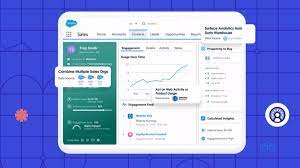
AI plays a crucial role in propensity score estimation as it can discern underlying patterns between treatments and confounding variables Read more